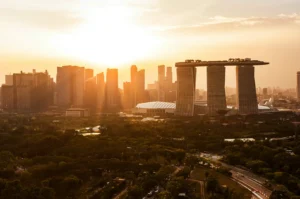
In Singapore’s culinary scene, Japanese izakayas have become a beloved staple. Stroll through the Central Business District or Robertson Quay, and you’ll find these casual gastropubs glowing with red lanterns and lively chatter. Izakayas blend the relaxed vibe of a bar with a varied menu, offering a welcoming space for friends and colleagues to share food and drinks without the formality of sushi bars or omakase. Unlike ramen shops, izakayas encourage lingering over multiple small plates, creating a friendly, social atmosphere.
For those interested in exploring the rich cultural roots behind the cuisine, check out our article “Japan and Food: Culinary Harmony – The Deep Connection Between Japanese Food and Culture.”
Affordable Japanese Food: The Perfect Balance of Quality and Price
One of the key reasons Japanese izakaya Singapore venues are so beloved is their ability to offer affordable Japanese food without compromising on high quality ingredients. While Singapore boasts numerous Japanese restaurants that cater to premium dining experiences, izakayas fill an important niche by providing access to authentic dishes flown in from Toyosu Market and other trusted sources in Japan, but at a fraction of the cost.
Ideal for Casual Dining and Variety
This makes izakayas ideal for diners who want to enjoy fresh sashimi, yakitori skewers, and other signature dishes without the hefty minimum spend often associated with fine dining. Whether it’s a casual lunch or a lively dinner, the menu is designed to suit a wide range of tastes and budgets, making it a go to order spot for many.
Seasonal Promotions and Exciting Menus
Moreover, many izakayas offer special promotions and seasonal menus that encourage diners to grab unique dishes and drinks, making each visit an exciting culinary adventure. The affordability combined with the quality means you can pay a reasonable price while indulging in a variety of delicious dishes that keep patrons coming back for more.
Japanese Restaurants and Dining Culture: The Izakaya Difference
To understand the allure, one must first define what an izakaya actually is. The word izakaya is compounded from i (to stay) and sakaya (sake shop), historically indicating a place where one could stay and drink. Over time, this evolved into a gastropub-style venue where food is just as important as the alcohol. For more insights into Asian dining experiences, you can explore various culinary delights here.
It is crucial to distinguish an izakaya from other formats of Japanese dining:
Unlike Sushi Bars: There is no pressure to understand the nuances of fish seasonality or adhere to strict etiquette. The menu is broad and forgiving.
Unlike Omakase: The experience is not chef-led or curated for you. You are in control of the pacing, the ordering, and the budget.
Unlike Ramen Shops: It is not a place for a quick “eat-and-go” meal. The izakaya is designed for lingering.
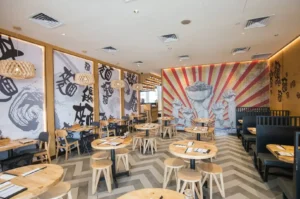
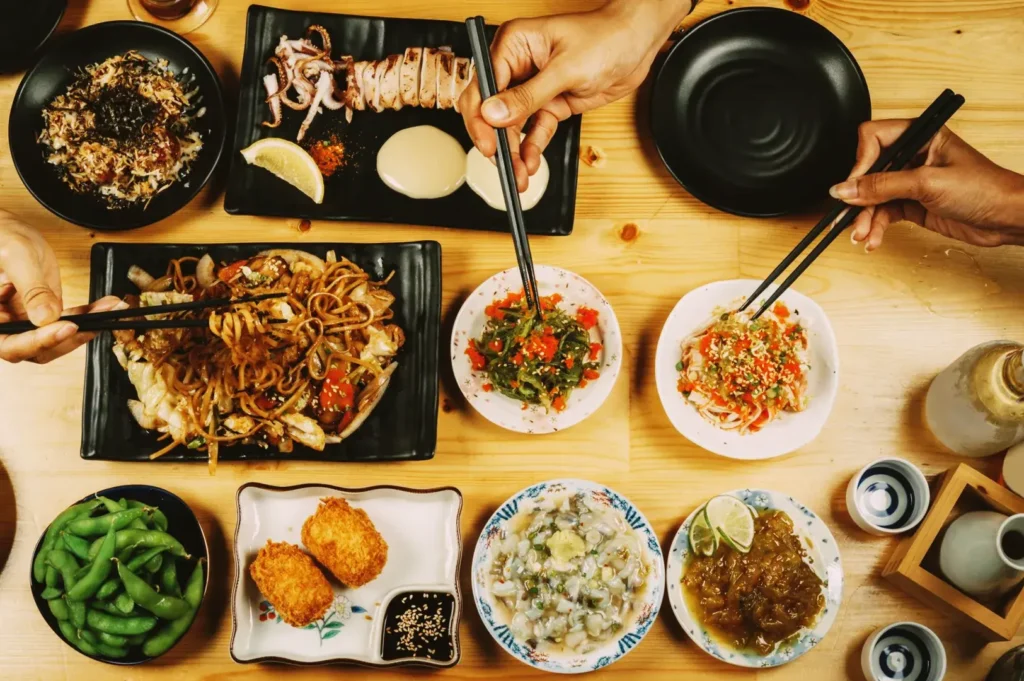
An izakaya is a “third place”—not home, not work, but a sanctuary to unwind. With dim lighting and casual seating from stools to booths, the unpretentious atmosphere invites diners to relax, chat, and enjoy friends while savoring small plates. The communal dining style is key. Dishes are served in rounds for everyone to share and sample, creating a sense of togetherness and making the meal feel like a shared celebration.
Public Izakaya: The Heart of Social Japanese Dining in Singapore
Many public izakaya in Singapore have become iconic gathering spots for locals and expats alike. These venues combine friendly service with a lively atmosphere where diners can enjoy delicious appetisers like miso soup, salad, and chicken skewers, alongside premium beef, seafood, and unagi dishes.
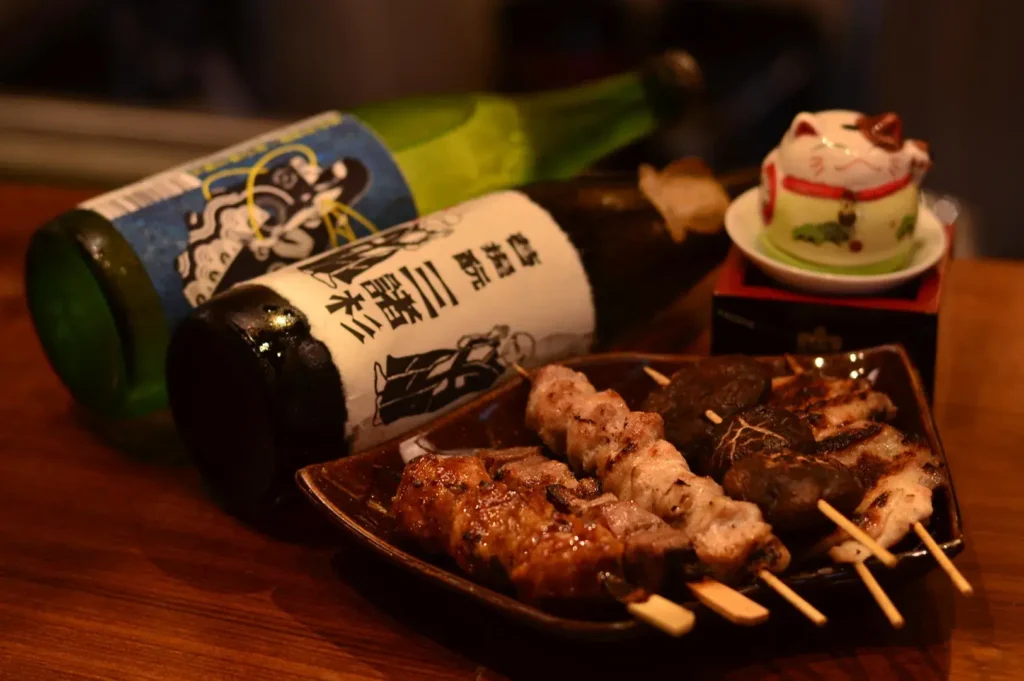
The communal dining style encourages sharing, perfect for occasions from after-work drinks to celebratory nights with friends. The menu features waves of skewers, sashimi, noodles, and donburi, designed for sampling. Many izakayas offer a wide selection of Japanese sake, beer, and crafted cocktails that complement the food and enhance the experience. From crispy karaage chicken to silky agedashi tofu, each dish invites exploration and sharing. The drink options include expertly crafted highballs and an extensive range of sake and shochu, allowing guests to find ideal pairings for their meal.
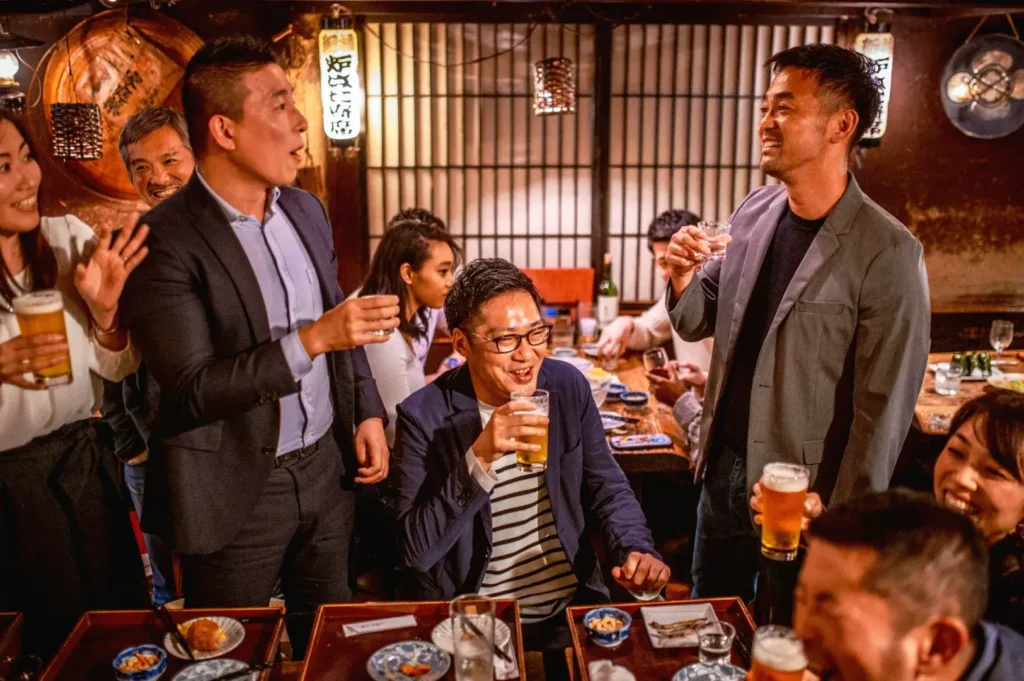
Japanese Izakaya Singapore: A Culinary Journey from Tokyo to Your Table
The Japanese izakaya Singapore scene draws heavily from the vibrant street culture of Tokyo and other urban centers in Japan. The rustic wooden decor, open kitchens where chefs grill yakitori skewers and other dishes, and the welcoming shouts of “Irasshaimase!” all contribute to an immersive experience.
Diners can expect a menu that features everything from freshly prepared salmon sashimi to hearty bowls of broth-based noodles, and even onsen egg-topped rice dishes. The food is prepared to highlight the natural flavors of the ingredients, often flown in daily from Toyosu Market to ensure freshness.
The atmosphere is designed to be both familiar and exciting—a place where you can relax with friends or make new ones over shared plates and cold drinks. The lively buzz, combined with the aroma of grilled meat and the clinking of glasses, captures the essence of Japanese nightlife and hospitality.
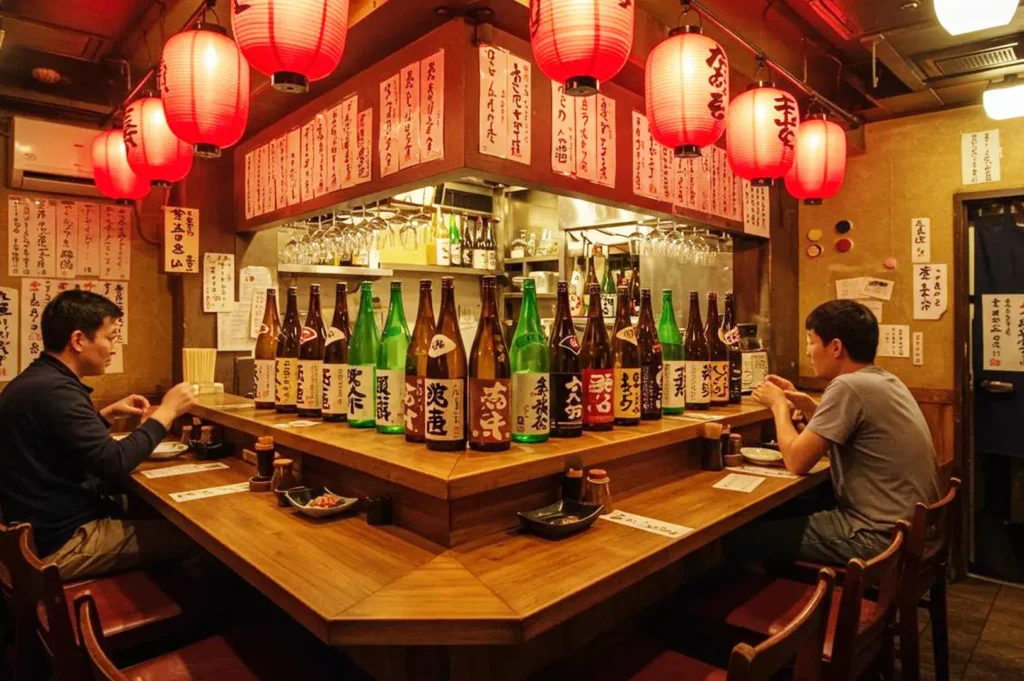
Sake: The Soul of Japanese Izakaya Singapore Culture
Walk into a Japanese izakaya Singapore diners love after sunset, and the atmosphere arrives before the food itself. The smoky aroma of grilled chicken, sizzling yakitori, and charred grilled skewers drifts through the room while glasses clink softly between colleagues settling into after work drinks.
That rhythm sits at the heart of traditional izakaya cuisine. Unlike formal sushi restaurants, a friendly traditional izakaya encourages diners to relax, share dishes, and linger over conversation. Sake and shochu are not just drinks here — they shape the pace of the evening.
What Diners Usually Pair with Sake
Junmai sake → rich dishes like buta kakuni
Ginjo → lighter sashimi and fresh seafood
Shochu highballs → smoky grilled chicken and skewers
Crisp beer or cocktails → appetisers like gyoza or jaga mentaiko
One fun fact many first-timers do not realize: in Japan, pouring sake for friends or colleagues is considered part of dining etiquette, reinforcing the communal spirit that makes izakaya culture feel welcoming.
Places like Zenryoku Izakaya, Toku Nori, and several hidden gem restaurants around Fortune Centre have helped shape Singapore’s izakaya scene through good food, lively energy, and friendly service. Many menus balance classic dishes with local favorites, from bara chirashi and donburi to noodles, wagyu, grilled scallops, and fresh seasonal produce flown in from Tokyo markets.
What to Expect at a Public Izakaya
A public izakaya experience is intentionally casual. The goal is not perfection or silence, but comfort, conversation, and sharing.
The Atmosphere
Expect:
warm wooden interiors
open grills
handwritten menus
lively chatter
the scent of seafood and chicken rising from the kitchen
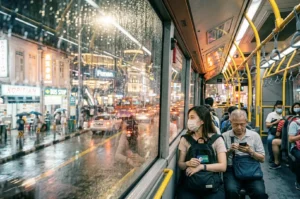
I remember one rainy night in Singapore when what started as a quick dinner turned into hours of conversation over sake, miso soup, skewers, and great food. Nobody rushed the table. That lingering atmosphere is part of the charm.
How the Meal Usually Flows
The extensive menu usually arrives gradually:
appetisers and salad
yakitori and tsukune
seafood or sashimi plates
noodles or rice dishes
comforting bowls of oden
Many izakaya spots operate from lunch into late-night dinner service, especially from Fri to Sun. Because popular restaurants fill quickly, especially hidden gem locations, checking opening hours and grabbing reservations early is recommended.
Quick Q&A Before Your First Izakaya Visit
Q: What are the izakaya bestsellers for first-timers?
Start with: yakitori, gyoza, sashimi, buta kakuni, jaga mentaiko
Q: Are izakayas suitable for solo diners?
Absolutely. Many diners visit alone simply to enjoy sake, food, and unwind quietly after work.
Q: What makes a great izakaya stand out?
Usually: fresh seafood, friendly service, balanced drinks, relaxed good vibes, and consistently good food
Opening Hours and Reservations: Planning Your Izakaya Experience
Most Japanese izakaya Singapore establishments have convenient opening hours that cater to both lunch and dinner crowds, with many staying open late into the night, especially on Saturdays. Given their popularity, especially in bustling districts like Tanjong Pagar and Boat Quay, reservations are highly recommended to secure a table.
Aspect | Details |
|---|---|
Opening Hours | Cater to lunch and dinner; many stay open late, especially on Saturdays |
Popular Locations | Tanjong Pagar, Boat Quay |
Reservations | Highly recommended, especially on weekends and special occasions |
Social Media | Active Facebook pages for updates on menu specials, minimum spend, and special events |
Private Dining | Some izakayas offer private dining spaces for intimate gatherings and celebrations |
To avoid disappointment, it’s a good idea to plan ahead and grab a reservation, particularly on weekends or during special celebrations. Some izakayas also offer private dining spaces, perfect for those looking to celebrate milestones or host intimate gatherings with friends and family.
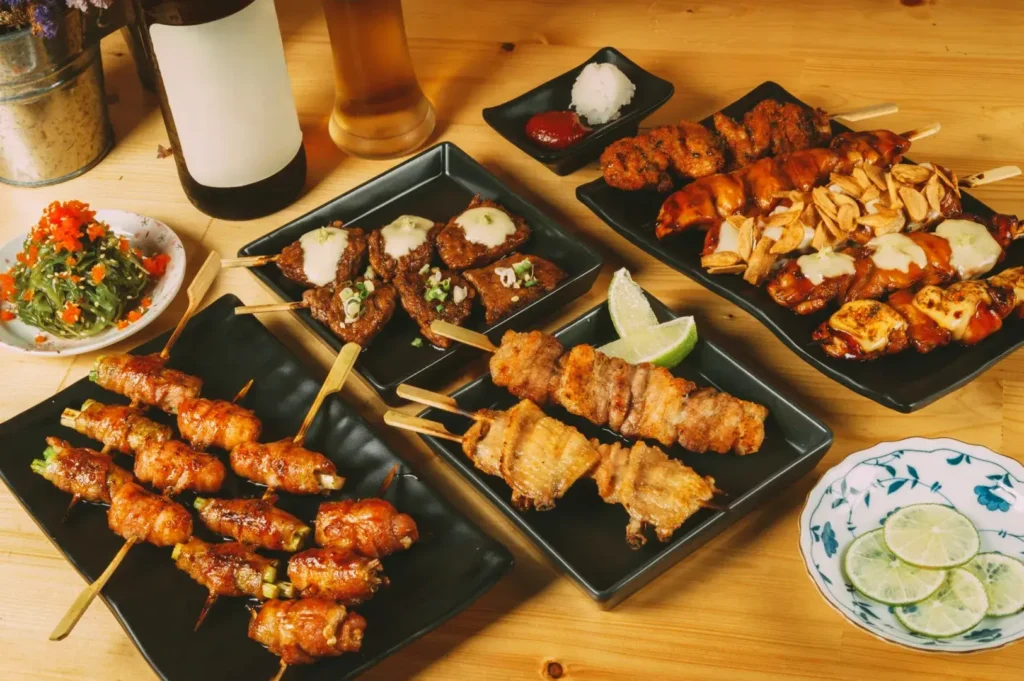
The Fun and Flavor of Japanese Izakaya Dining in Singapore
Ultimately, the magic of the izakaya lies in its blend of fun, flavor, and social connection. Whether unwinding after a long day with a drink of Japanese sake or sharing skewers and sashimi with friends, the experience is relaxed and memorable. From the first sip of a highball to the last bite of miso soup, Japanese izakayas in Singapore offer an authentic taste of Rising Sun culture in the Lion City.
The casual, welcoming vibe makes izakayas perfect for after-work gatherings. Whether you’re a fan or new, each visit offers a fresh mix of traditional flavors and modern twists, inviting you to enjoy shared joy and great food.
For those interested in exploring more exclusive Japanese dining experiences, check out this under-the-radar omakase guide in Singapore for hidden gems beyond the usual spots.