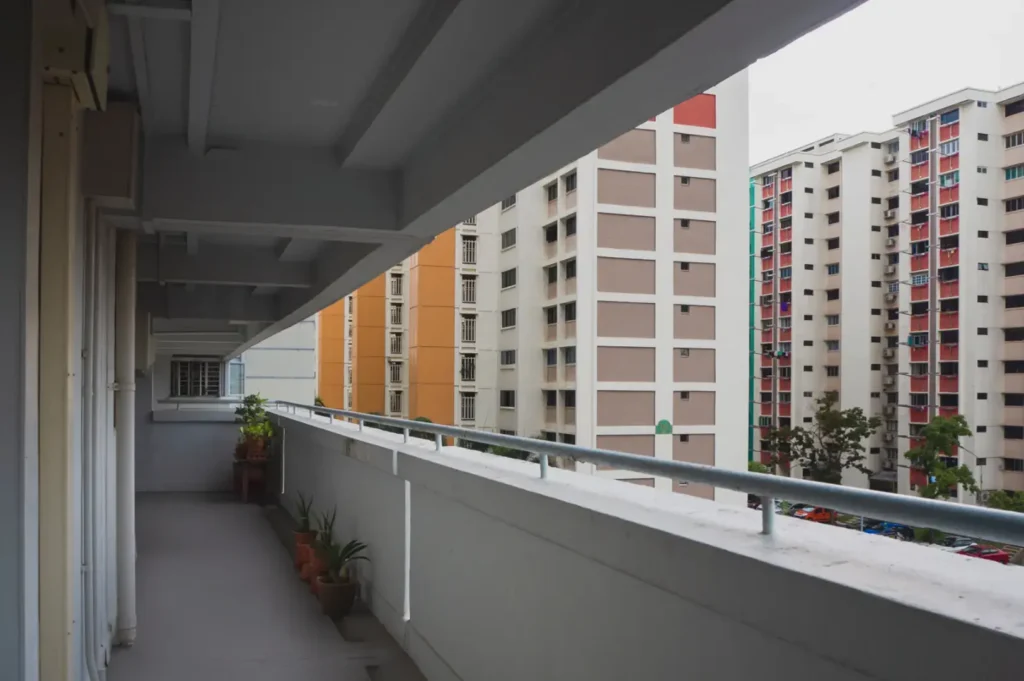
The first apartment I rented in Singapore, I almost lost over a bank account. Not the money. Not my credit. Just timing.
I had found the place I wanted: a quiet third-floor unit, morning light, a kitchen that did not smell of old oil. I told the agent yes. And then came the questions I had not prepared for. Where would I transfer the deposit? Did I have a local account? How did I plan to pay rent each month? Could I set up GIRO for the utilities? I also had to ensure I was using a secure platform, as the website I was using displayed a security service message verifying I was not a bot or malicious bot trying to access the page. Sometimes, a respond ray id would be shown to confirm this.
That week taught me something I now tell every newcomer: renting in Singapore is rarely just about the apartment. It is an admin chain. Rent, deposits, GIRO, banking, stamp duty, utilities — they are all quietly linked. Pull one thread, and the others move.
Renting Here Begins Before the Lease: Security Verification and Preparation
In my experience, expats think renting starts when you sign the Tenancy Agreement. It does not. It starts earlier, in the unglamorous business of documents and money flow. A verbal “I want it” rarely holds a unit here. The market moves quickly, especially near MRT stations and international schools. What holds a unit is a written intent and a deposit that has actually moved.
So the real work happens in four stages: before viewing, before signing, before move-in, and before your first rent payment. Let me walk you through each one.
Stage One: Before You View — Verification Successful and Walking Distance Checks

Before you step into a single apartment, get your paperwork breathing.
Have digital copies ready of:
Your passport
Your Employment Pass, S Pass, Dependant’s Pass, Student’s Pass, or IPA letter
An employer letter, if you have just arrived
Proof of income or employment
A local phone number, if you have one
Your Singapore bank account details, once opened
The hard part is rarely one document. It is the feeling of being asked for “just one more thing” while you are still living out of a suitcase. I remember scrambling to forward an offer letter from a hotel lobby, signal flickering, the agent waiting.
Prepare these once, and that quiet panic disappears.
Expat’s Tip: Open your bank account as early as your pass allows. Almost every later step — deposits, rent, utilities, GIRO — flows more smoothly once you have a local account. Without one, simple tasks become a corridor of small locked doors. (For more details, see my article: Opening a Singaporean Bank Account.)
When you do view, look past the staging.
Check the air-conditioning and ask who services it. Test the water pressure. Notice whether the bedroom faces a six-lane road. Walk the route to the nearest MRT and supermarket — is it sheltered, or a twenty-minute sweat in the sun? Look for damp patches, a faint musty smell, the condition of appliances.
A glossy unit can still wear you down if the kitchen carries old grease or the nearest groceries feel unreachable in the rain. Also, check for parking availability nearby, especially if you plan to own a vehicle. Amenities like parking can make a big difference in daily convenience.
A Word on Neighbourhoods: Clarke Quay and Other Areas
People often ask me where they should live. I never give one answer, because the right neighbourhood depends on your commute, your family, and your daily rhythm.
A loose map of how expats tend to choose:
CBD, Marina Bay, Tanjong Pagar: close to the office, higher rents, fewer quiet corners
River Valley and Orchard: central, family-friendly, easy access to almost everything
East Coast and Katong: food, sea air, a slower lifestyle pull
Holland Village and Bukit Timah: greenery, schools, an established expat community
Novena: a popular area with good amenities and convenient transport links
The best choice is not the most famous name. It is the one where your commute, rent, groceries, and routines feel sustainable months from now. I have watched friends chase a postcode and quietly regret it by the third late-night cab ride home.
Stage Two: Before You Sign — Whole Units and Common Room Considerations
This is where intent becomes real.
For many private rentals, the process moves through a Letter of Intent first. It outlines the proposed rent, lease length, start date, the diplomatic clause, a minor repair clause, and what is included in the unit. Alongside it comes a good faith deposit, often one month’s rent, usually credited toward your security deposit or first payment once the Tenancy Agreement is signed.
Do not transfer money casually here. Confirm exactly who is receiving it. Keep every receipt. Make sure the terms are written, not promised. Then comes the Tenancy Agreement itself. Read it line by line, even when you are tired and just want the keys. It should clearly state:
Monthly rent and the payment date
The lease term
The security deposit amount
An inventory list
The diplomatic clause, if applicable
The minor repair clause and its threshold
The aircon servicing schedule
Who handles utilities
Early termination terms
Handover and reinstatement expectations
Two clauses deserve your full attention.
The diplomatic clause matters if your job could change. It may let you end the lease early after a minimum stay if you are retrenched or transferred out of Singapore. The wording varies, so read it carefully rather than assuming.
The minor repair clause often requires tenants to pay for small repairs below a stated amount, frequently after the first thirty days. Know that number before you sign. It saved me an argument once, simply because I understood what was mine to fix and what was not.
Expat’s Knowledge: Get every promise written in. If the landlord agrees to replace a mattress, repaint a wall, or remove old furniture, put it in the agreement. A friendly nod during a viewing is not a contract.
Stamp Duty, Plainly
Stamp duty surprises people because it sounds bureaucratic and then turns out to be simple. For leases of four years or less, IRAS charges lease duty at 0.4% of the total rent for the lease period, when the average annual rent exceeds S$1,000.
Here is a real example. If your rent is S$4,000 a month over a 24-month lease, the total rent is S$96,000. Stamp duty is 0.4% of that, which comes to S$384. Documents should ideally be stamped before signing. If already signed, stamping can be done without penalty within 14 days if signed in Singapore, or within 30 days after you receive the document if it was signed overseas.
A properly stamped lease protects both you and your landlord. The Stamp Certificate is your proof that the tenancy is formally recorded.
Stage Three: Before You Move In — Common Room and Whole Unit Documentation
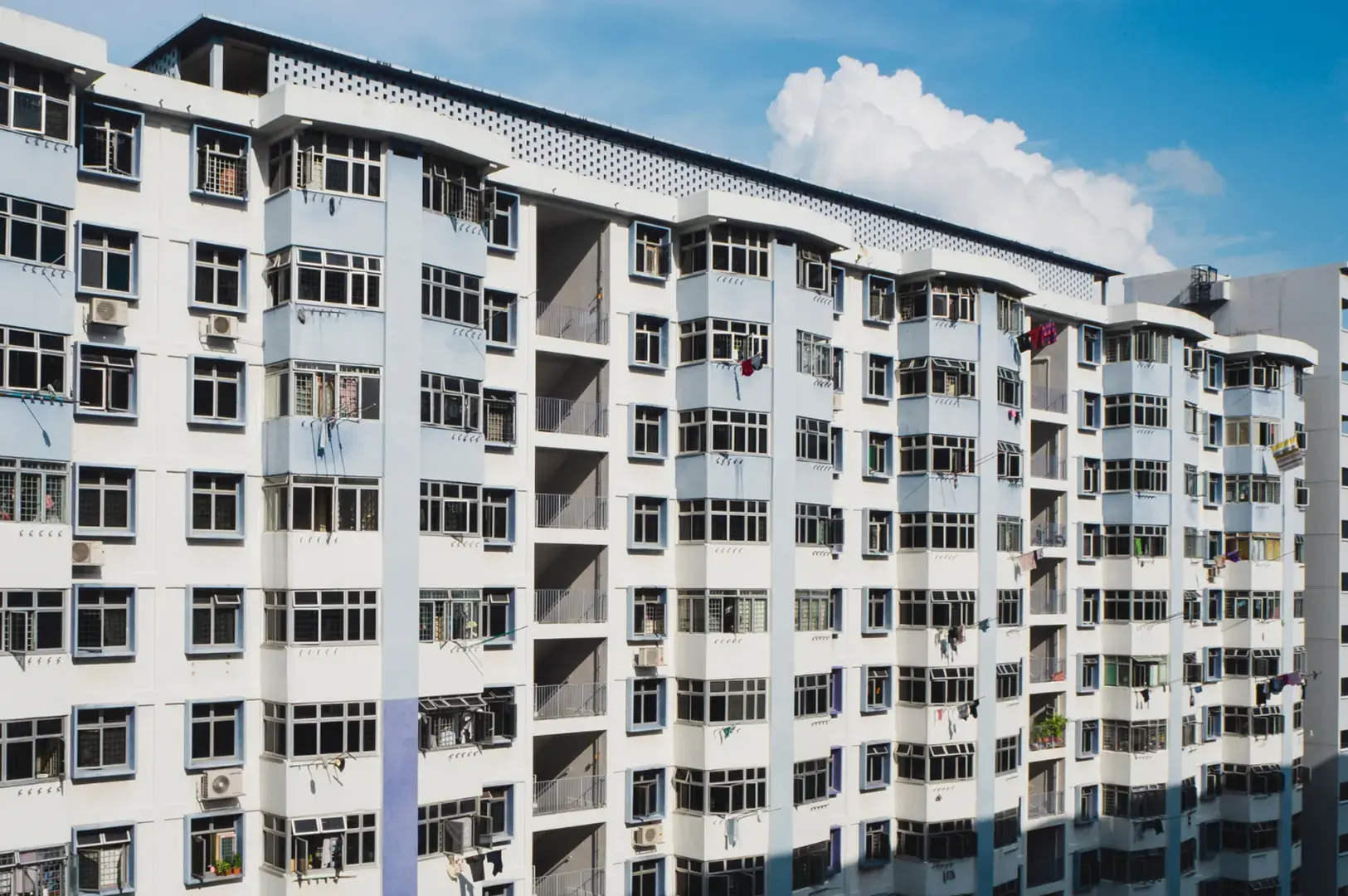
This is the five minutes that quietly protects you for years. Document the unit before you bring a single box inside. Photograph and film the floors, walls, appliances, bathrooms, aircon units, windows, curtains, and every existing scratch. Send the record to the agent or landlord by email or WhatsApp so there is a timestamp.
I learned this the indirect way, through a friend who moved out after two years and faced deductions for wall marks and a chipped cabinet she could not prove were there before. She had no move-in photos. The argument dragged on for weeks. Treat your handover documentation like insurance. It feels excessive in the moment. It feels wise later.
Then set up your utilities: electricity, water, gas, internet, and mobile. This is where renting meets banking head-on. You will usually need:
Your Tenancy Agreement
Your passport or FIN
A local contact number
A local bank account or card
A GIRO form or online payment setup, depending on the provider
GIRO is a bank-authorised recurring payment arrangement. In rental life, it shows up for utilities, telecom bills, insurance, and tax. Rent itself is often paid by bank transfer rather than GIRO, but the lesson is the same: without a local account, the admin trail grows heavier with every step.
GIRO is genuinely useful in those first chaotic months. It quietly pays your bills so you do not forget one while still finding your footing.
Stage Four: Before Your First Rent Payment
By now, the chain should be visible to you. Your bank account receives your salary. Your rent transfers out from it. Your utilities draw from it through GIRO. Your deposits and stamp duty have already passed through it.
Before that first rent payment leaves, confirm the payment date in your Tenancy Agreement and set a reminder a few days ahead. Make sure your account is funded and your transfer limits are high enough — many newly opened accounts have low default limits that quietly block a large rent payment.
Here is the cash-flow stack I tell every newcomer to prepare for, well before move-in:
Item | Typical practice |
|---|---|
Good faith deposit | Often 1 month’s rent |
Security deposit | Commonly 1 month for a 1-year lease, 2 months for a 2-year lease |
First month’s rent | Usually paid before or at move-in |
Stamp duty | Around 0.4% of total rent for leases up to 4 years |
Utilities deposit | Varies by provider and residency status |
Agent commission | Depends on who the agent represents and the lease terms |
Internet setup | May include activation, router, or installation charges |
It adds up faster than most people expect. Have the funds ready and accessible in your local account, not stuck in an overseas transfer you are still chasing.
Common Mistakes I Still See
Renting before banking. People sign first, then realise the deposit, the utilities, and the salary account are all waiting on each other. Overseas transfers, extra fees, screenshots sent in a panic. Open the account early.
Skipping move-in photos. The quietest regret of all. Five minutes saved becomes weeks lost.
Trusting verbal promises. “We’ll settle that later” rarely settles well. Write it down.
Chasing low rent at any cost. A cheaper unit far from transport can erase its savings in taxis, long commutes, and late-night inconvenience. Rent is only one part of the cost. Time is the other.
Ignoring the minor repair threshold. Read it before you sign, not when something breaks.
A Few Honest Questions, Answered

Can I rent before I have a local bank account?
Often yes, but it is awkward. Early deposits can sometimes go through overseas transfer or a cashier’s order. Ongoing rent, utilities, and GIRO become far smoother once your local account is open.How much cash do I need before moving in?
Prepare for several upfront payments at once: good faith deposit, security deposit, first month’s rent, stamp duty, possibly a utilities deposit, and agent commission if your agent acts for you. Build the full stack before you sign.Is the deposit always refundable?
The security deposit is usually refundable, but deductions can be made for unpaid rent, damage beyond fair wear and tear, or unfinished obligations. This is exactly why your handover photos matter.Why does everyone keep mentioning GIRO?
Because it quietly runs your recurring bills. It prevents late payments during the months when everything is still new and easy to forget.Do I really need to read the whole Tenancy Agreement?
Yes. Line by line. The diplomatic clause, the repair threshold, and the payment date are the lines you will care most about later.
One Last Thing
When I think back to that first apartment, I do not remember the stress most. I remember the relief when the chain finally clicked into place: account open, deposit moved, utilities humming, the first rent payment leaving without drama.
Renting here is not difficult. It is sequential. For more Expat guides, make sure to click here.
Get your documents ready before you view. Read everything before you sign. Photograph the unit before you move in. Fund your account before that first payment. Prepare the admin trail, and the apartment stops being a source of worry. It simply becomes home, which is, after all, the only part that was ever the point.