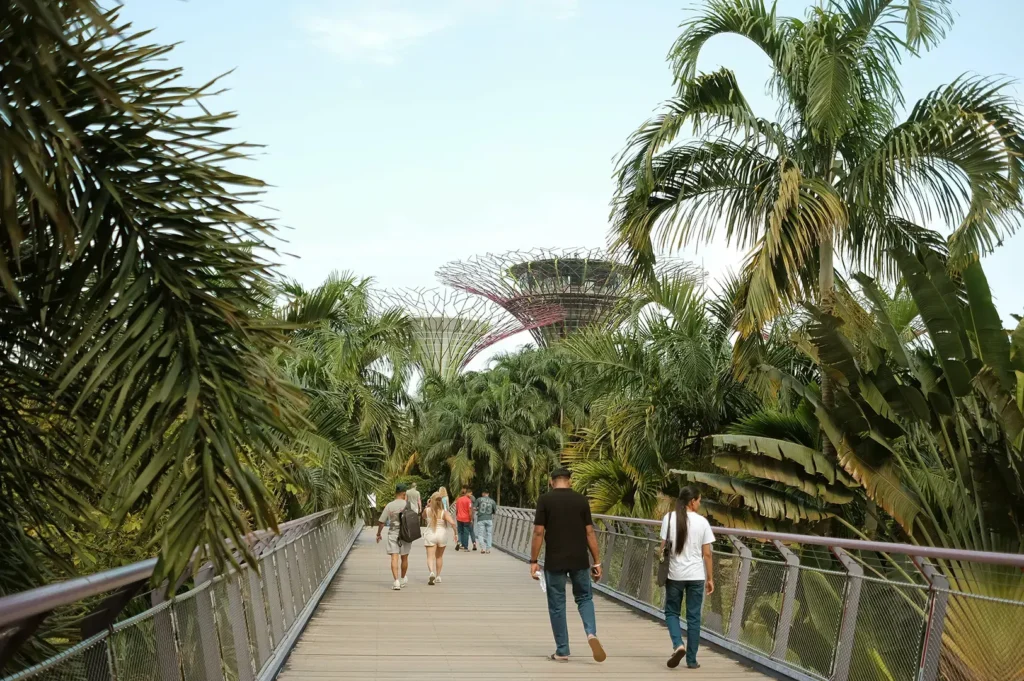
The first week I lived in Singapore, I made a confident decision: I would walk everywhere. By day three, I had learned a hard truth. Tropical weather in Singapore means high humidity, heavy rainfall, steady heat around 26 to 29°C, and monsoon seasons that bring sudden localized rain and thunderstorms. I arrived at a lunch meeting looking like I’d swum there. My shirt was soaked, my hair flattened, and the air-conditioning inside hit me like a slap.
That was my introduction to the real Singapore weather, not the postcard version, but the lived one.
If you’re an expat moving to or living in Singapore, this is the part that catches you off guard: the weather here shapes far more than your wardrobe. We also have this guide on How to Survive Your First Singapore Monsoon Season, as it affects where you live, how you commute, when you exercise, how you raise your kids, how you manage heat and haze, and even how you store your shoes. Once I understood that, life got easier. Once you understand it, yours will too.
Why Singapore Weather Feels Different from Central America
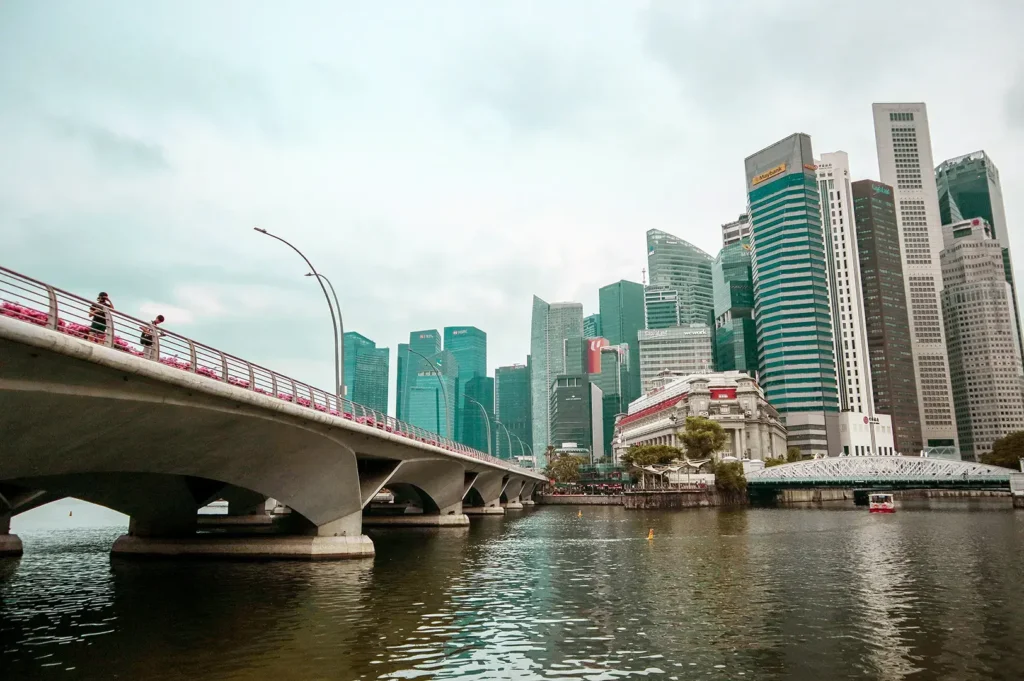
Singapore sits near the equator, where tropical climates receive uniform solar radiation year-round and average temperatures rarely fall below 18°C, in a tropical region defined by abundant precipitation, high humidity, and temperatures that barely shift across the year. Under the Köppen system, this climate group includes rainforest, monsoon, and savanna types. The daily mean hovers around 26 to 29°C, with afternoons climbing above 31°C and humidity often near 80%. Tropical rainforest climates can receive over 100 inches of rain annually. Satellite imagery often shows the large area of cloud cover and thunderstorms located over this region, which contribute to the frequent rain.
There are no four seasons. Instead, there are two monsoons — the Northeast Monsoon from December to early March, and the Southwest Monsoon from June to September — separated by inter-monsoon periods of afternoon thunderstorms. These events generally occur due to complex environmental conditions, including broad low pressure troughs and low pressure systems that form offshore in the surrounding seas.
In my experience, the first few weeks are the hardest. You feel tired, sticky, and slightly defeated. Then your body adjusts, you learn the city’s rhythms, and the weather stops being an enemy. In some parts of America, a drop in rainfall can threaten forest stability, while cyclones remain part of a natural cycle that promotes ecosystem diversity by creating ecological gaps where new plant growth can reach the canopy.
Daily Planning: The Rain Radar and Satellite Imagery Habit
Here’s the first habit I want you to build: stop trusting the daily forecast alone.
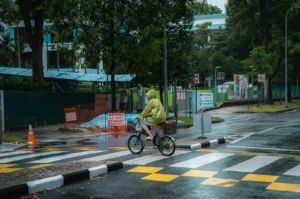
Rain in Singapore is intensely local. It can pour over Bukit Timah while Marina Bay stays bone dry. A forecast that says “thundery showers” tells you almost nothing about your actual street in the next hour.
What locals do instead is check the 2-hour nowcast and rain radar. I open the myENV app before I leave the house, every single time. It shows weather, rain alerts, air quality, dengue clusters, and flood updates in one place. For official forecasts and heat stress readings, weather.gov.sg is your source of truth. These sources often provide links to satellite imagery and detailed content about tropical development and organization of systems in the broader region.
Expat's Tip: When the radar shows a blob of rain heading your way, you usually have 15 to 30 minutes. That's enough time to wait it out with a coffee rather than sprint through a downpour. Singaporeans rarely run through rain. They wait. Learn from them.
A compact umbrella is non-negotiable. You’ll find decent ones for S$5 to S$25. Buy two. Keep one in your bag and one by the door. And yes, people here use umbrellas for sun as much as rain. It’s not strange. It’s smart.
Transport: Why "Near the MRT" Isn't Enough in the Central North Pacific East
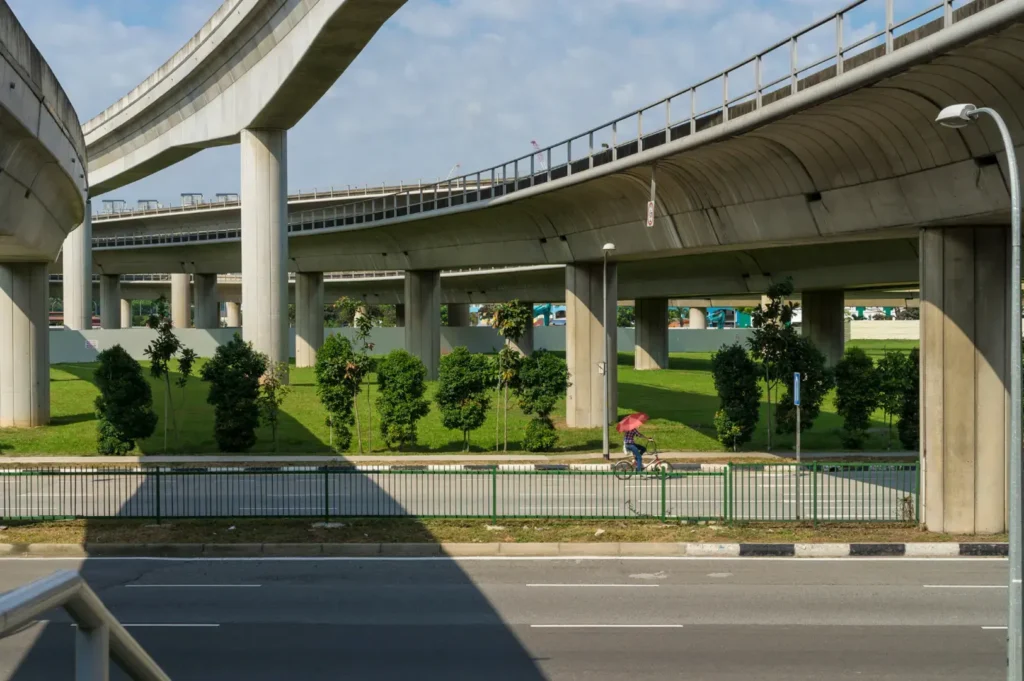
When I hunted for my first apartment, the listing said “5 minutes to MRT.” Technically true. What it didn’t say was that those five minutes were entirely unsheltered, across an open car park and a road with no overhead cover. During afternoon rain, that walk turned me into a wet mess before I’d even tapped in.
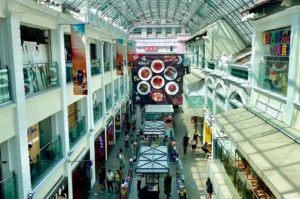
Here’s the lesson: in Singapore, “near MRT” is good. “Near MRT with sheltered access” is much better. The city has built an impressive network of covered linkways connecting homes to bus stops and train stations, precisely because the weather demands it.
When you’re choosing where to live or which route to take, look for:
Sheltered walkways to the MRT or bus stop
Short, covered distances to essentials like a supermarket
A nearby mall you can duck into during heavy rain
A reliable taxi or ride-hailing pickup point
Expat's Knowledge: During heavy rain, Grab prices climb and waits stretch out. Everyone wants a ride at once. If you can route yourself through sheltered linkways and MRT-connected malls, you'll stay dry and skip the surge entirely.
Build wet-weather buffers into your timing too. For school pickups, viewings, and especially airport runs, give yourself extra minutes. Rain slows everything.
Housing: Humidity Is a Hidden Cost
This is the section I wish someone had drilled into me before I signed my first lease.
Singapore’s humidity is not just a comfort issue. It’s a home maintenance issue. It affects your clothes, your shoes, your furniture, your walls, and your sleep. I once ignored a faint musty smell in a bedroom wardrobe during a viewing. I told myself it was nothing. A month later, my leather bags wore a film of mould, two pairs of shoes smelled damp, and a jacket was beyond saving.
So when you view an apartment, do this:
Sniff for musty smells, especially in wardrobes, bathrooms, and near the air-con
Check for visible mould around windows, trunking, and corners
Test for good cross-ventilation — does air actually move through?
Look for a practical laundry drying area
Ask whether management responds quickly to leaks and dampness
Two appliances will save you. A dehumidifier runs S$100 to S$500+ and quietly protects your belongings. An air purifier, useful during haze and for anyone with allergies, runs S$150 to S$800+.
Expat's Tip: Run a dehumidifier in your wardrobe or storeroom and you'll be amazed how much water it pulls from the air. I empty mine every couple of days. Your shoes and bags will thank you.
A word on laundry: drying clothes outdoors during monsoon season is a gamble. Many expats underestimate this. A practical indoor drying setup, or a dryer, matters more here than back home. Avoid top-floor units with poor insulation and harsh afternoon sun unless you love a hot bedroom and high cooling bills.
Family Life: School Runs and Weekend Plans
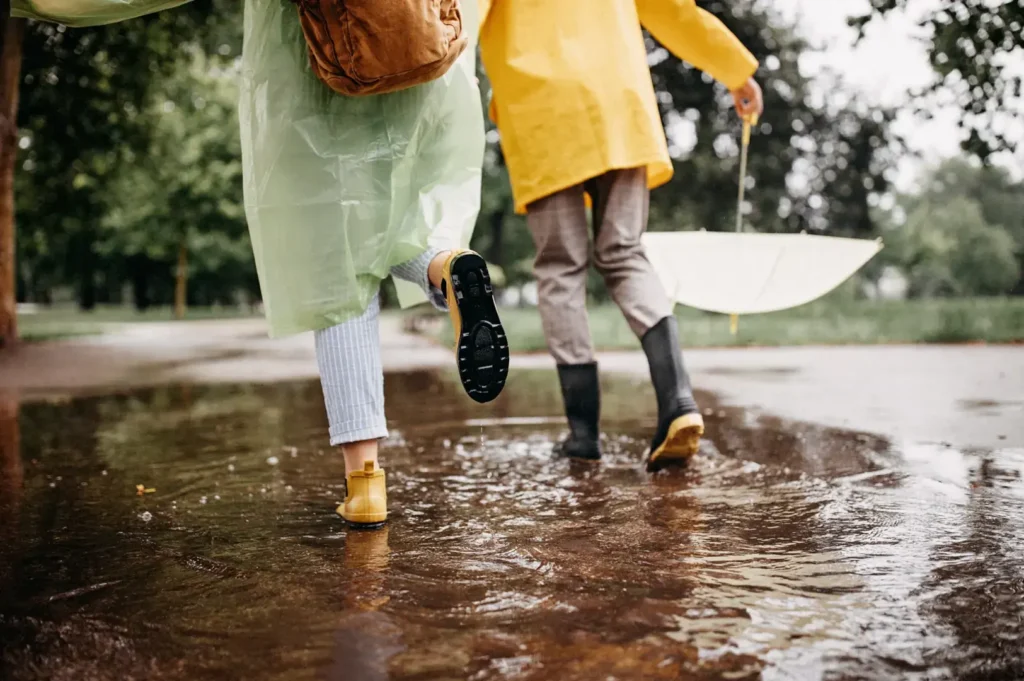
If you have children, the weather becomes a daily logistics puzzle.
I watched a friend learn this the hard way. She assumed a 10-minute walk to school was fine. It was — until heavy rain hit at dismissal time. Her child’s shoes were soaked, the stroller rain cover was at home, and the Grab wait was longer than the walk would’ve been.
For families, I’d suggest building a proper wet-weather plan:
A stroller rain cover that lives in the bag, always
Spare socks and a small towel
A water bottle for every child
A cap or sun hat for bright days
Indoor backup points where you can wait out a downpour
Heat matters as much as rain. The Ministry of Education minimises outdoor physical activities in schools between 10:30am and 3:30pm during hot weather, with more water breaks and lighter attire when needed. Take the cue for your own family. Sunrise and sunset help shape the safest windows for early-morning and late-afternoon outings. Plan zoo trips, playground visits, and outdoor attractions for early morning or late afternoon, with shade and an indoor fallback ready.
I once dragged my family to an outdoor attraction at noon. The kids wilted within the hour, the afternoon shower finished us off, and we went home early. Lesson learned. Now we go early, rest in the shade, and treat midday as indoor time.
Health: Heat, Haze, Hydration, Dengue, and Tropical Cyclone Risks
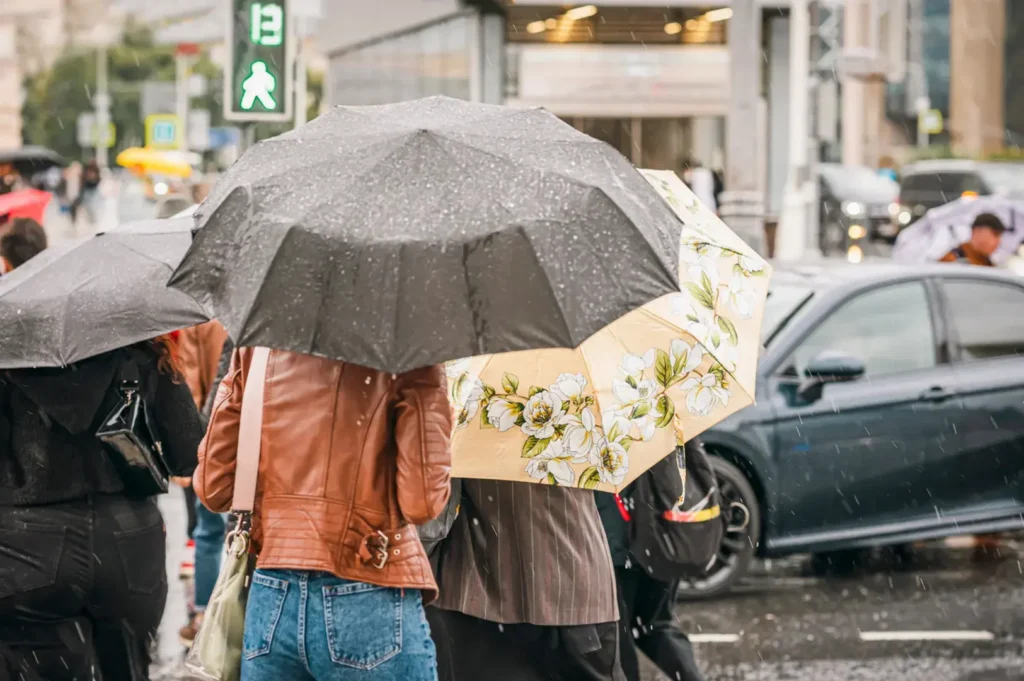
This is where the weather stops being an inconvenience and becomes a genuine health matter.
Heat stress. Singapore measures heat using the Wet-Bulb Globe Temperature (WBGT), not just air temperature. WBGT factors in humidity, wind, and solar radiation, which is why it reflects how dangerous the heat actually feels. Before any long walk, outdoor exercise, or sightseeing, check the heat stress reading on weather.gov.sg. Avoid strenuous activity in the hottest stretch of the day, and drink water before you feel thirsty.
Haze. It returns from time to time, usually from regional forest fires, and dry conditions plus strong winds can worsen both fire weather and haze. Air quality is measured by the Pollutant Standards Index (PSI). Per the Ministry of Health, a PSI reading of 101 and above is considered unhealthy. Check PSI and hourly PM2.5 during haze periods, and visit haze.gov.sg for the latest air quality updates.
Dengue. This one surprises newcomers. The Aedes mosquito breeds in clean, stagnant water as small as a 20-cent coin, according to NEA. That’s a forgotten plant tray, a pail on the balcony, or a clogged gutter. Do a weekly check at home, remove standing water, and keep mosquito repellent on hand — expect to pay S$5 to S$20 for a good one with DEET, picaridin, or IR3535. The myENV app shows dengue clusters near you, and for official alerts, use the language setting you understand best when a government weather tool offers one.
Hydration. It sounds obvious. It isn’t. You lose far more water here than you realize. A reusable water bottle, refilled often, is one of the simplest things you can do for your wellbeing.
Common Mistakes to Avoid
I’ve made most of these. Learn from me instead.
Trusting only the daily forecast. Check the rain radar and nowcast. Rain here is local and fast.
Renting without checking sheltered access. “Near MRT” on a map can still mean a soggy daily walk.
Ignoring a musty smell. That faint damp odour is a warning, not a quirk. Mould follows.
No laundry drying plan. Monsoon season will defeat your outdoor drying rack.
Planning midday outdoor activities. Heat and afternoon storms will cut your day short. Go early.
Leaving water to collect at home. Plant trays, pails, and balcony items become mosquito nurseries.
Ignoring advisories. Heat stress, haze, and flood alerts exist for good reason. Respect them.
Questions All About The Weather
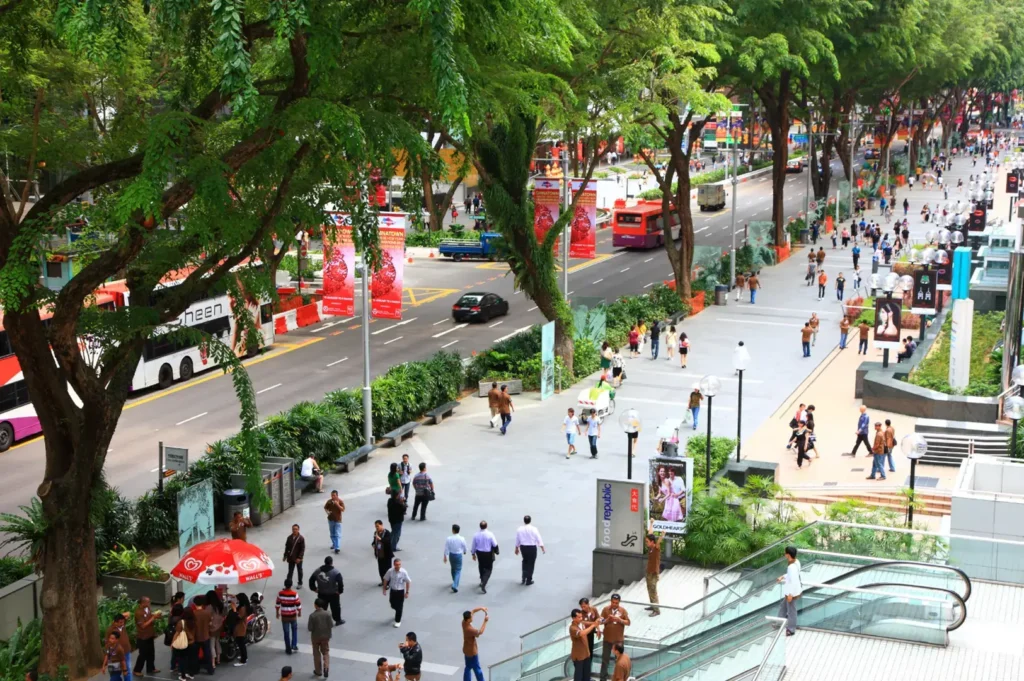
Does Singapore have seasons?
Not in the four-season sense. It has two monsoons separated by inter-monsoon periods. It’s warm year-round, but rainfall, wind, humidity, and haze risk still vary; tropical climates are often discussed by region and location, even though local weather differs from broader tropical systems in places like the Caribbean Sea, gulf, or North Atlantic.
When is the rainy season?
The Northeast Monsoon, roughly December to early March, tends to be the wetter stretch, especially the early wet phase from December to early January. Afternoon thunderstorms are common during inter-monsoon months too. In other regions, forecasts may track a system, low pressure, or a frontal boundary over the next day or the next couple of days when conditions are favorable or only marginally favorable for tropical development. They also often refer to the middle or end of the week as development becomes more or less favorable.
Why does it feel hotter than the temperature says?
Humidity, sun, and low wind. That’s why Singapore uses WBGT for heat stress rather than air temperature alone.
Do I need an umbrella even on sunny days?
Many locals carry one for sun protection as well as rain. I’d suggest doing the same.
How do I stop my clothes and shoes from going mouldy?
Run a dehumidifier, keep cupboards ventilated, and don’t let damp items sit. Moisture absorbers help in enclosed spaces.
Pack Your Umbrellas
When I look back at that soaked, frustrated version of myself in week one, I feel a little tenderness for him. He didn’t know yet that the weather here isn’t something to fight. It’s something to move with.
You learn to wait out the rain with a kopi instead of running through it. You choose a home for its airflow, not just its view. You walk early, hydrate often, and keep one eye on the radar. You check the air on hazy days and clear the standing water at home on Sundays.
None of this is hard. It’s just a rhythm, and once you find it, Singapore opens up. The heat softens. The rain becomes background music. And you stop arriving everywhere looking like you swam there. That’s the goal. Move with the weather, and the city becomes home.