For expats, Singapore can make premium experiences surprisingly hard to read.
The city does polish very well. A quiet room, a refined concept, limited seats, and careful branding can all look convincing at first glance. That is true in dining, wellness, retail, and increasingly in tea. For readers still finding the best chinese tea house in Singapore, the practical question is not whether a place looks exclusive. It is whether the exclusivity is doing real work. Tea Room by Ki-setsu is a useful example because it invites exactly that question.
Our view is that Tea Room by Ki-setsu is most interesting when treated less as a luxury curiosity and more as a test case. If a tea room claims rarity, what should that actually mean? In this case, the answer seems to begin with three things: a narrow tea programme, a sourcing story that appears specific rather than generic, and a format that would be inconvenient if the product were ordinary. That combination is what gives the room credibility.
First Question: Is the Selection Narrow for a Good Reason?
A long tea list can look impressive. It can also be a way of avoiding a point of view.
Tea Room by Ki-setsu seems to take the opposite approach. The room is closely associated with premium pu-erh rather than trying to cover every style broadly, and the details available about its selection point to named teas such as Huazhu Liang Zhi, Lao Ban Zhang, Yi Bang and Wan Gong rather than a menu built around quantity. That matters because, in specialist food and drink, narrowness often tells you more than range. It suggests confidence in curation rather than a need to satisfy every preference at once.
This is one reason the room feels more serious than many tea-led concepts. It does not seem to be selling “tea” in the broad lifestyle sense. It is offering a smaller, more deliberate programme built around the idea that some leaves are worth slowing down for, and that not all of them belong in an endlessly expandable retail format. That is a more demanding model, but also a more convincing one.
Second Question: Does the Provenance Hold Up?
This is where many premium concepts become vague.
Once words like artisanal, rare, and hand-selected appear too often, they stop helping. What matters instead is whether the place can be connected to a clear source. Tea Room by Ki-setsu’s materials repeatedly return to Bulang Mountain and Yiwu in Yunnan, China, and its private tea session page frames those regions as central to the room’s identity. That specificity is useful. It gives readers something firmer than mood to work with.
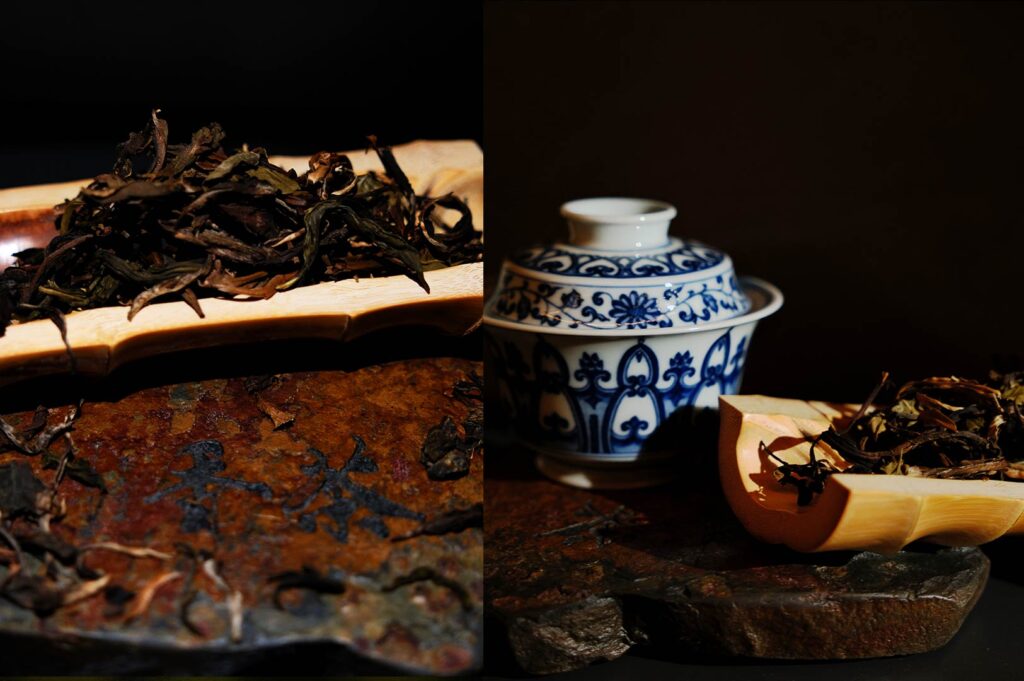
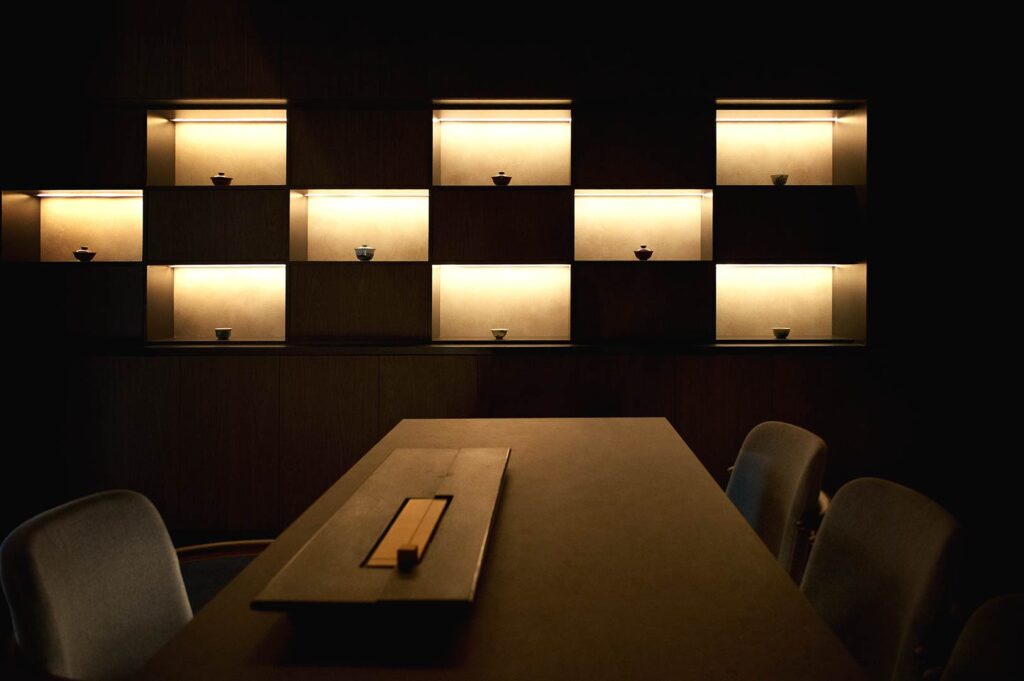
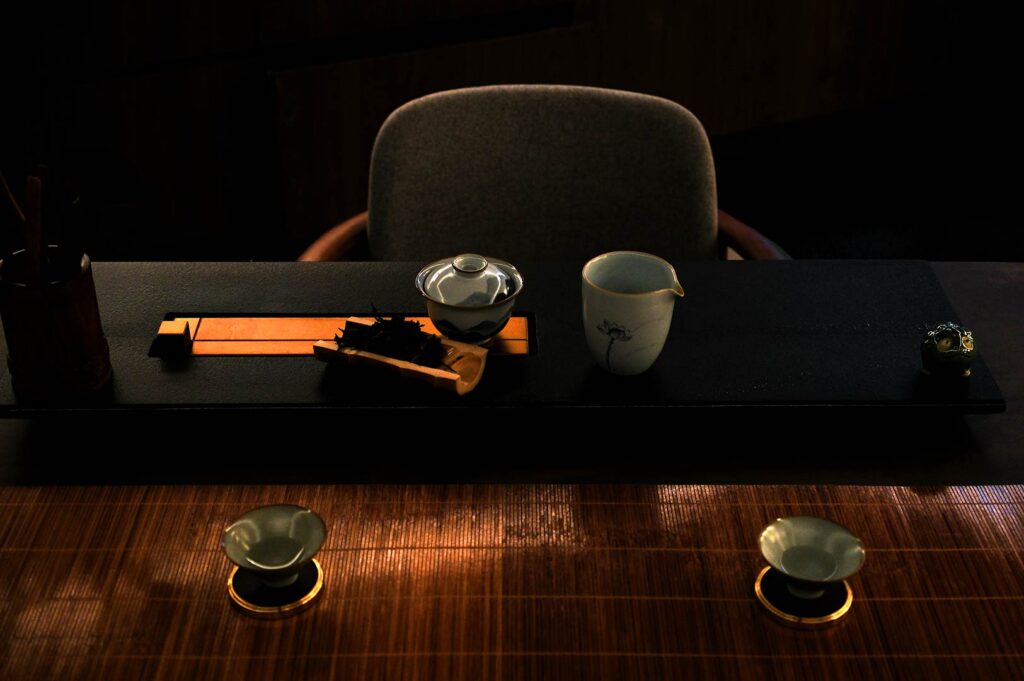
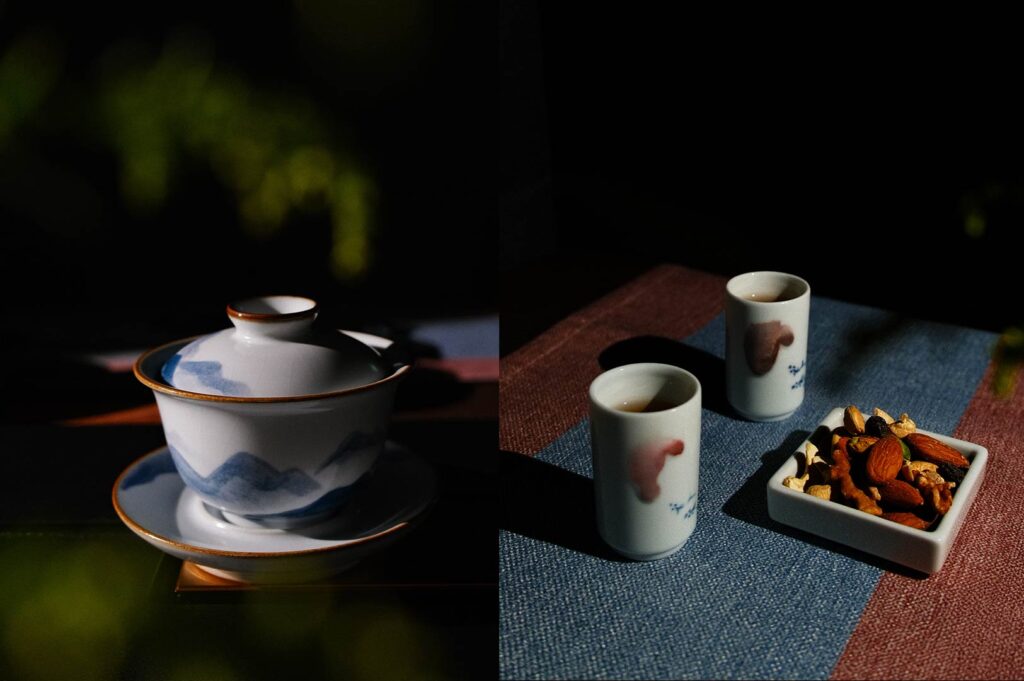
The same applies to teaware. Tea Room by Ki-setsu places visible emphasis on Jingdezhen porcelain and treats it as part of the experience, not simply as table styling. That matters because in serious tea service, the vessel is not incidental. It affects temperature, aroma, and how the tea is received. A room that pays attention to that level of detail is usually making a stronger claim than one built around ambience alone.
For expats trying to judge whether rarity is real, this is one of the more practical checks: is the place giving you precise source information and using objects that seem chosen for function as well as beauty? In this case, the answer appears to be yes.
Third Question: Does the Format Match the Product?
This may be the clearest test of all.
Tea Room by Ki-setsu is reservation-only, does not take walk-ins and structures private tea sessions for small groups of roughly two to five guests. It also describes these sessions as bespoke and guided by tea specialists. If the tea were average, that structure would feel overbuilt. If the tea and teaware are genuinely the point, the format starts to make more sense.
That does not automatically make the room exceptional. It does, however, make it coherent. The privacy, the small group size, and the lack of walk-in traffic all support a tea service built around explanation and pace. In practical terms, it feels like a room designed to protect concentration rather than maximise volume. That is not the right model for every guest, but it is a credible one.
Where It May Not Suit Everyone
This is not the kind of place we would recommend to every newly arrived expat.
If what you want is a low-commitment introduction to Chinese tea, a casual browse or a quick stop in Orchard, Tea Room by Ki-setsu may feel too structured. The format asks for planning, and the room appears designed for guests who are willing to give the session their time and attention. For some readers, that will be part of the appeal. For others, it will feel unnecessarily formal.
That limitation is worth stating clearly because it is also part of the place’s credibility. A concept built around limited tea lots, guided sessions, and careful teaware would feel less persuasive if it also tried to behave like an open, high-traffic tea shop. Here, the narrower format seems to support the product rather than distract from it.
So, Is the Rarity Here Real or Just Well Packaged?
Our answer is that Tea Room by Ki-setsu mostly passes the test. Not because it uses the language of rarity, but because the details align: a selective pu-erh programme, identifiable Yunnan sourcing, Jingdezhen porcelain treated as more than decoration, and a private format that would be difficult to justify if the tea itself were not meant to be taken seriously.
For Expat Life readers, that may be the more useful conclusion. Tea Room by Ki-setsu is not simply a rare tea room to notice in Singapore. It is a practical example of how to judge rarity more carefully in a city where premium presentation is common. In that sense, the room offers more than tea. It offers a better standard for what the word rare should mean.