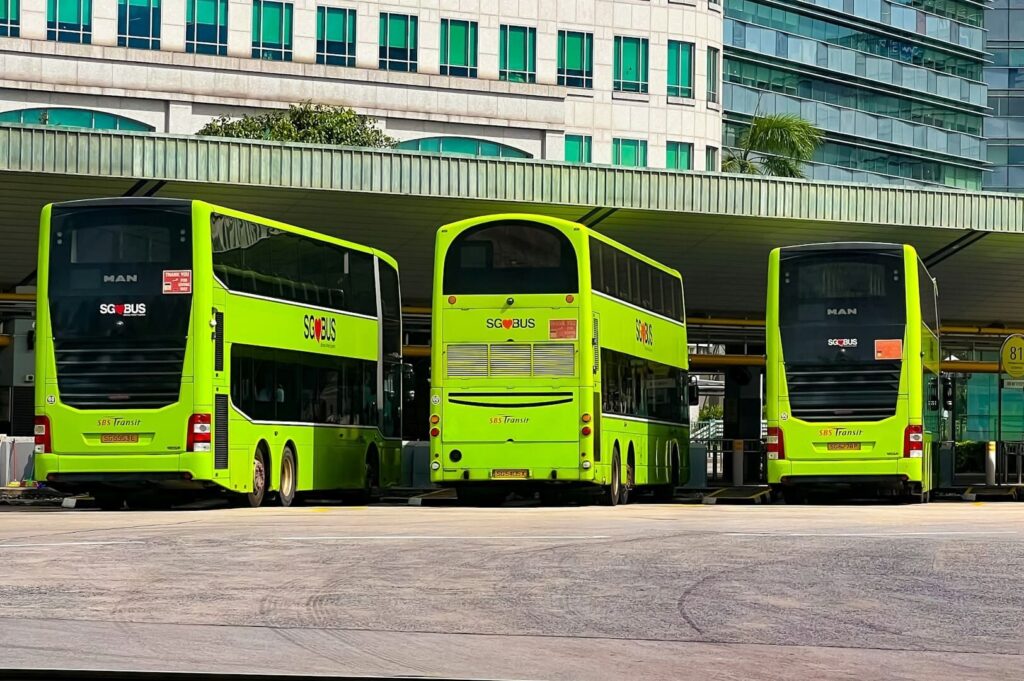
Did you know that Singapore’s public bus fleet travels over one million kilometers every single day? That’s equivalent to circling the Earth more than 25 times. This sprawling, intricate network of public bus services is more than just a way to get from point A to B; it’s the lifeblood of the city-state, a marvel of operational efficiency, and a story of constant innovation. Learning how to ride a bus in Singapore is practically a rite of passage for residents and newcomers alike, as the iconic green, red, and sometimes purple public buses operated by various bus operators, including SBS Transit, are a ubiquitous part of the Singaporean landscape—connecting neighborhoods, business districts, and heartland hubs with remarkable precision, while providing convenient access to popular attractions and points of interest across the city.
Historical Evolution of Bus SG and Public Buses in Singapore

The journey of Singapore’s bus SG system is a reflection of the nation’s own rapid development. From a chaotic jumble of private operators to a highly regulated and efficient network, its evolution is a masterclass in urban planning and land transport management.
Key milestones that have shaped the modern Bus SG network include:
- The Bus Service Enhancement Programme (BSEP): Launched in 2012, this government initiative significantly increased the number of buses on the road and introduced many new bus routes, drastically reducing wait times at every bus stop and crowding.
- The Bus Contracting Model (BCM): Implemented in 2016, this was a game-changing shift. Under the BCM, the Land Transport Authority owns all bus assets (buses, depots) and contracts out routes to operators through a competitive tendering process. Contracts are awarded to bus operators based on their proposals and service standards.
- Modernization and Accessibility: Over the decades, the Singapore bus fleet has been progressively modernized. Features that were once novel, like air-conditioning and electronic fare systems accessible via the app, are now standard. Today, the entire fleet is wheelchair-accessible, ensuring public transport is inclusive for all commuters.
Behind-the-Scenes Operations of Bus Services and Bus Stops

Your first financial task upon arrival will be setting up a local bank account with one of Singapore’s leading financial The seamless experience of catching a Singapore bus belies a complex, technology-driven operation working around the clock. Thousands of people and sophisticated systems are involved in ensuring each bus service arrives safely, cleanly, and on time.
At the heart of the operation are the bus depots. These massive facilities are where buses are parked, cleaned, refueled, and maintained. Every day, buses are operating on scheduled routes across the city, ensuring reliable service for commuters. A typical bus undergoes daily checks before it begins its revenue service and receives more intensive maintenance on a regular schedule. This preventive approach is key to the fleet’s reliability.
Technology plays a vital role in coordinating this vast network:
- Fleet Management Systems: The Land Transport Authority and bus operators use advanced software to plan bus routes, schedule bus services, and allocate resources efficiently. This technology helps optimize bus frequencies based on passenger demand data.
- Real-Time Tracking: Every Singapore bus is equipped with GPS. This data feeds into operations control centers, where staff monitor the entire network in real-time. They can spot potential delays, manage bus bunching (when several buses on the same route arrive at once), and respond to incidents promptly. This is the same technology that powers the next bus arrival app that commuters rely on daily to check bus arrival times and plan their journeys.
Environmental Initiatives in Public Transport and Bus SG Fleet

As a nation focused on sustainability, Singapore has made greening its public transport a top priority. The Land Transport Authority has set ambitious goals to transition the entire Bus SG fleet to cleaner energy sources, significantly reducing the carbon footprint of the network.
A key part of this strategy is the large-scale deployment of electric buses. Following successful trials, Singapore has been progressively rolling out hundreds of electric buses. These vehicles are not only zero-emission at the tailpipe but are also significantly quieter, reducing noise pollution in residential areas. The development of new, purpose-built depots equipped with charging infrastructure underscores the long-term commitment to this transition.
Current environmental efforts include:
- Electric Buses: The goal is to have a 100% cleaner energy bus fleet by 2040. This means phasing out all diesel-powered buses in favor of electric or other sustainable alternatives. Older diesel buses are being retired as part of this transition to a cleaner energy fleet.
- Hybrid Buses: Before the full-scale electric rollout, Singapore deployed a fleet of hybrid buses. These vehicles use a combination of a diesel engine and an electric motor to improve fuel efficiency and reduce emissions compared to conventional diesel buses.
- Carbon Reduction Targets: The move to a greener Singapore bus fleet is a major contributor to the nation’s overall climate goals under the Singapore Green Plan 2030. By reducing reliance on fossil fuels, the public transport system is helping to create a more sustainable urban environment.
Regional Comparison of Bus Routes and Public Buses

Singapore’s Bus SG system is often benchmarked against other world-class public transport networks in Asia. While each city has its unique approach, the Singapore bus network stands out for its integration, efficiency, and focus on service standards.
- vs. Hong Kong: Hong Kong is famous for its extensive fleet of double-decker buses, which are highly efficient at moving large numbers of people. While Singapore also uses double-deckers on high-demand bus routes, its system is perhaps more centrally planned and regulated under the BCM, allowing for tighter control over service quality across all routes.
- vs. Tokyo: Tokyo’s bus system is a model of precision and integration with its world-famous rail network. Buses in Tokyo often serve as “last-mile” connectors, feeding passengers to and from train stations. Singapore has adopted a similar philosophy, designing its bus routes to complement the MRT system seamlessly.
- vs. Seoul: Seoul is a leader in smart bus technology, with widespread use of real-time information systems and integrated payment cards. Singapore’s Bus SG network is on par with this, with its own advanced journey planners, real-time tracking apps, and a sophisticated contactless payment system that accepts everything from dedicated transit cards to credit cards and mobile wallets.
Commuter Benefits: Perks and Programs for Bus SG Riders

Riding with Bus SG comes with a host of benefits designed to make your daily commute more rewarding and affordable. Commuters can take advantage of exclusive discounts and offers through platforms like redBus, including redDeals that provide cashback and special rates on express bus bookings. For those who travel frequently, commuter passes and promotional offers can help you save up to 25% on online bus ticket bookings, making public transport an even more cost-effective choice.
The Land Transport Authority (LTA) is committed to continually improving the public transport experience, introducing initiatives that enhance convenience and accessibility. With features like real-time bus arrival information, commuters can better plan their journeys and reduce waiting times at the bus stop. Convenient payment options, including contactless cards and mobile wallets, further streamline the boarding process, allowing you to enjoy a hassle-free ride.
Future Developments in Bus SG and Public Transport Services

The Bus SG network is not standing still. The Land Transport Authority is continuously exploring and implementing next-generation technologies to create a smarter, more efficient, and even more user-friendly bus system for the future.
- Autonomous Buses: Singapore is at the forefront of autonomous vehicle trials. Self-driving buses have been tested in various parts of the island, and the long-term vision is to deploy them for first- and last-mile connections in new housing estates, providing on-demand, feeder services to MRT stations and popular destinations such as Changi Airport. A major autonomous bus trial is scheduled to begin in the second half of 2026.
- AI-Powered Route Optimization: The Land Transport Authority is leveraging artificial intelligence and data analytics to make bus services more responsive to commuter needs. AI can analyze travel patterns to predict demand, allowing for dynamic route adjustments and improved bus frequencies where they are needed most. In Oct, a new AI-powered route optimization update will be rolled out to enhance service efficiency.
- Enhanced Integration: The future of Bus SG lies in its even deeper integration with other mobility services. This includes seamless connections with the expanding MRT network, as well as with active mobility options like bike-sharing services and pedestrian-friendly infrastructure. Maps and journey planners within the app make it easier for commuters to search and choose their destination and plan their journey efficiently. The CRRC eD12 electric bus started revenue service in October 2025, marking a significant milestone in sustainable transport integration.
- The 2040 Vision: The Land Transport Master Plan 2040 envisions a “45-minute city” where 9 in 10 peak-period journeys can be completed within 45 minutes. An efficient, responsive, and green Bus SG system is a cornerstone of achieving this ambitious goal.
Business Loans and Support for Growth in Singapore’s Financial Sector
For entrepreneurs and businesses looking to thrive, Singapore offers a variety of business loans and financing options through established financial institutions and financiers. These loans provide the flexibility and capital needed to support growth and success.
The government and private sector also offer programmes to support startups and SMEs, providing access to expert advice, grants, and technology to help businesses innovate and scale. To find out more, you can visit financial institution websites or request information from business advisors.
Introducing new loan schemes and grants regularly, the government ensures that businesses have the resources to succeed in a competitive environment. Keep an eye on official announcements for the latest launch of such initiatives and their application windows.
Cultural Aspects & Lesser-Known Facts about Bus SG and Public Buses

Beyond its function, the bus system holds a unique place in Singapore’s cultural fabric.
- Memorable Advertising: Buses have served as mobile canvases for some of the nation’s most iconic advertising campaigns, becoming part of the shared visual memory of Singaporeans.
- Bus Etiquette: An unwritten code of conduct governs behavior on a Singapore bus. This includes queuing up orderly at the bus stop, giving up seats to those who need them more, and thanking the bus captain—a small gesture that reflects the community’s respect for service workers.
- Cross-Border Services: A few special bus routes, like the iconic Service 170, provide cross-border connections to Malaysia, serving as a vital link for commuters, shoppers, and families.
- Buses in Media: The humble public bus has made appearances in local films and television shows, often symbolizing the everyday life and struggles of the Singaporean heartland.
Conclusion: The Enduring Role of Bus SG in Singapore’s Public Transport Network

The Bus SG system is far more than a mode of transport; it is a testament to Singapore’s commitment to planning, efficiency, and public service. From its humble origins, it has evolved into one of the most advanced and reliable bus networks in the world. With its strong focus on environmental sustainability, technological adoption, and passenger-centric design, the Singapore bus system is not just keeping pace with the future—it is actively shaping it.
As Singapore continues to grow and evolve, its iconic buses will remain the steadfast backbone of its public transport system, connecting people and places with unwavering reliability. For a complete overview of how the system works and practical tips for commuters, check out How to Ride Buses in Singapore: The Ultimate Singapore Bus System Guide. You can also visit trusted resources like Land Transport Guru to download maps, check bus arrival times, and make your daily journeys even smoother.