Living in Singapore has a way of reshaping how you understand space. Not just physical space, but the quiet, invisible boundaries we carry between ourselves and others. Back home, a table was something you claimed. Here, it’s something you learn to share.
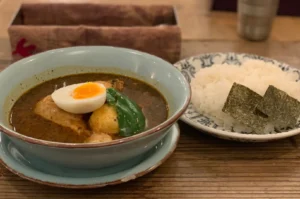
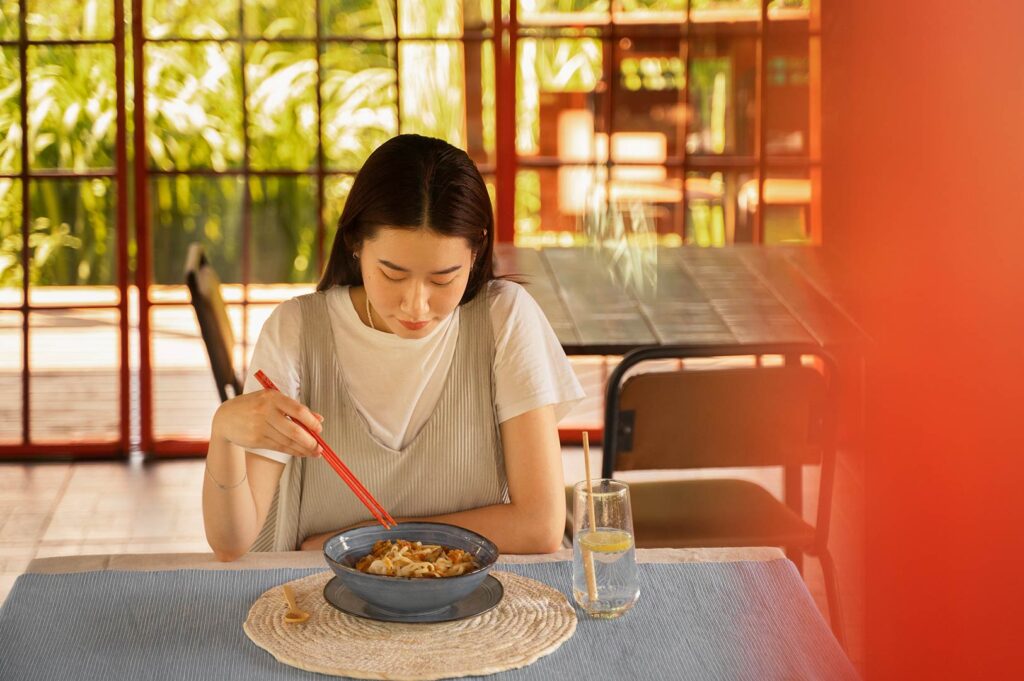
I remember one afternoon at a hawker centre in Tiong Bahru. It was the kind of heat that presses gently against your skin, softened only by the slow turning of ceiling fans. I found an empty table for two, just enough room for my tray, a bowl of noodles still releasing thin curls of steam.
Before I had taken my first bite, an older man approached. He didn’t ask in full sentences. Just a small gesture, a nod toward the empty seat.
“Can?”
I nodded back.
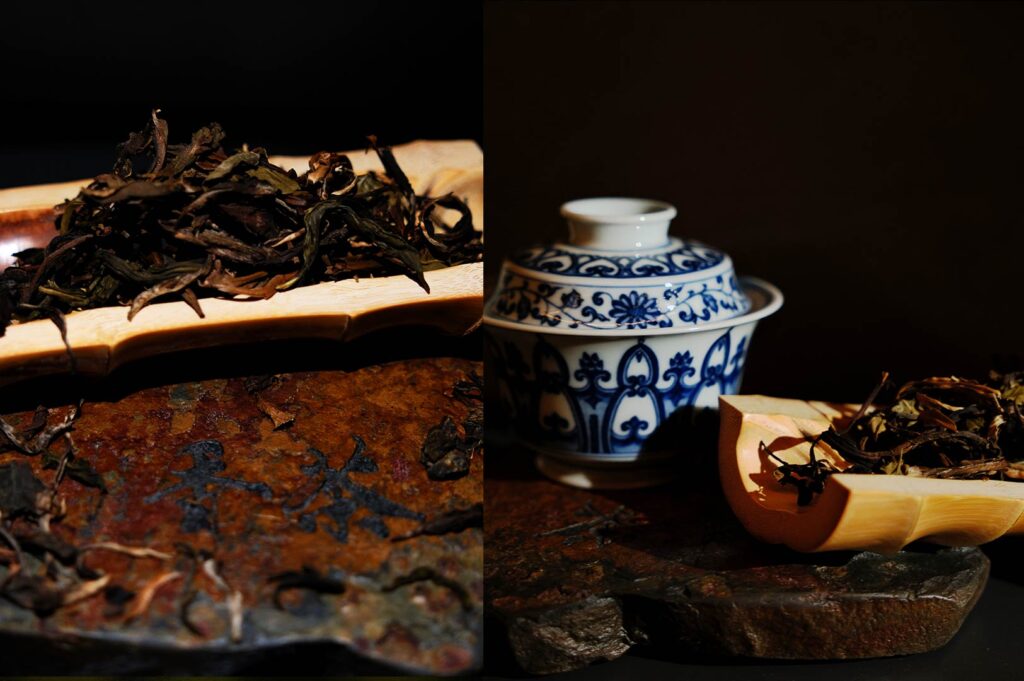
Tea Room by Ki-setsu seems to take the opposite approach. The room is closely associated with premium pu-erh rather than trying to cover every style broadly, and the details available about its selection point to named teas such as Huazhu Liang Zhi, Lao Ban Zhang, Yi Bang and Wan Gong rather than a menu built around quantity. That matters because, in specialist food and drink, narrowness often tells you more than range. It suggests confidence in curation rather than a need to satisfy every preference at once.
This is one reason the room feels more serious than many tea-led concepts. It does not seem to be selling “tea” in the broad lifestyle sense. It is offering a smaller, more deliberate programme built around the idea that some leaves are worth slowing down for, and that not all of them belong in an endlessly expandable retail format. That is a more demanding model, but also a more convincing one.
Second Question: Does the Provenance Hold Up?
This is where many premium concepts become vague.
Once words like artisanal, rare, and hand-selected appear too often, they stop helping. What matters instead is whether the place can be connected to a clear source. Tea Room by Ki-setsu’s materials repeatedly return to Bulang Mountain and Yiwu in Yunnan, China, and its private tea session page frames those regions as central to the room’s identity. That specificity is useful. It gives readers something firmer than mood to work with.
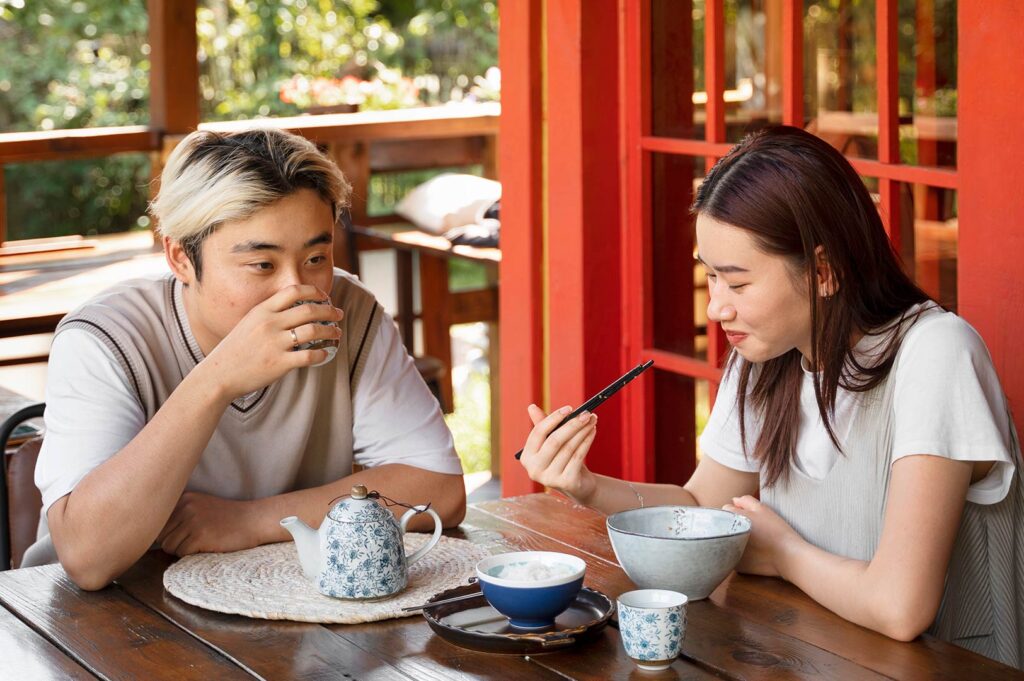
He sat. No introduction. No exchange beyond that brief acknowledgment. The sound of chopsticks tapping against porcelain, the soft scrape of plastic chairs, the distant hum of conversation in dialects I didn’t yet understand. Between us, nothing was said, but the table held both our meals, our quiet presence, our separate lives folding briefly into one space.
I remember noticing the rhythm of it. The way he ate slowly, deliberately. The way we avoided eye contact, not out of discomfort, but respect. There was no need to fill the silence. It wasn’t empty. It was shared.
In Singapore, you begin to realize that intimacy doesn’t always come from conversation. Sometimes, it comes from proximity. From the quiet agreement to exist alongside someone else without intrusion. A shared table becomes a small lesson in trust, an understanding that not every interaction needs to be defined, explained, or remembered.
There is something grounding in that.
We often think connection requires effort, words, gestures, stories. But here, it can be as simple as making space. Letting someone sit. Letting the moment be enough.
So the next time you find yourself at a crowded hawker centre, holding your tray and scanning for a seat, pause.
If someone gestures toward your table, say yes.
Let the space shift, just slightly.
You might not remember the face across from you. But you’ll remember the feeling, the quiet ease of sharing something without needing to claim it.
And in a city that moves as quickly and precisely as Singapore, that small, unspoken moment might be the closest thing to an Expat Life Singapore could find.