Bus Directions Singapore: Why the “Fastest Route” Rarely Feels the Best
When I first moved to Singapore, I treated my daily commute like a competitive sport. Armed with my smartphone and a fresh EZ-Link card, I religiously followed whichever route Google Maps promised would shave three minutes off my journey. If the app said I could reach my destination in 24 minutes by taking the MRT, transferring to a bus, and walking 600 meters in the midday sun, I did it.
I quickly learned a harsh, sweaty lesson. On paper, the algorithmic “fastest route” looks brilliant. In reality, I would arrive at my destination flustered, overheated, and exhausted from rushing between platforms and bus stops.
Over time, my perspective shifted. I started to notice that local commuters rarely chased the absolute fastest option. Instead, they optimized for predictability, comfort, and minimal mental load. In my experience, the Singapore bus system is incredibly efficient, but navigating it is an art form. Here is my honest, reflective guide on why the fastest route rarely feels the best, and how you can transform your daily transit from a source of stress into a moment of peace.
The Illusion of the “Fastest Route” with Bus Directions Singapore
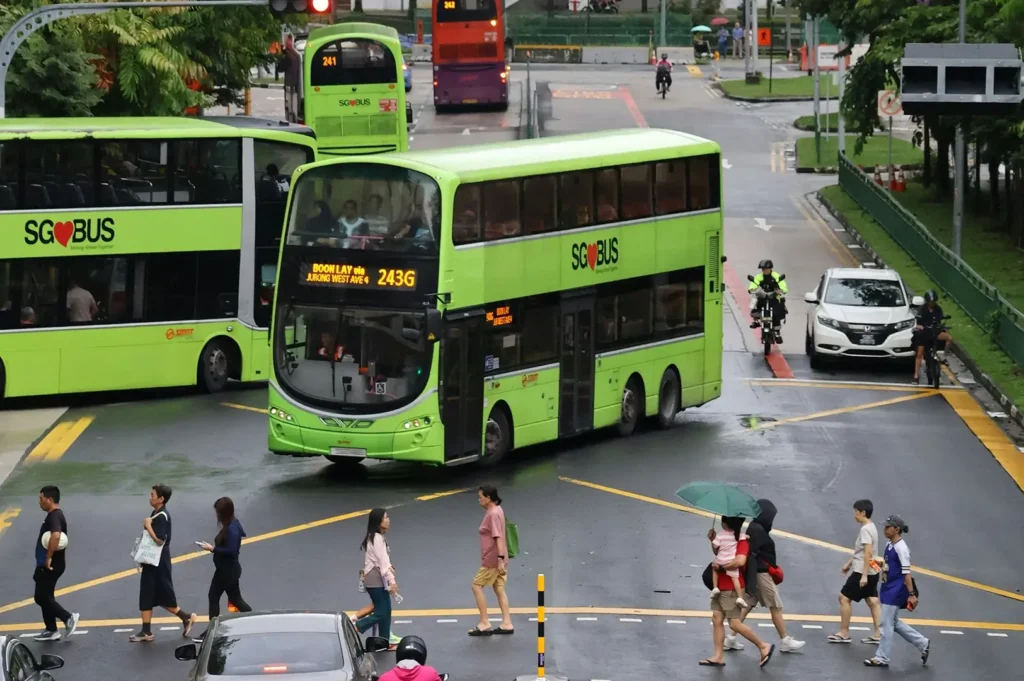
If you are new to Singapore, the questions feel simple at first: How do I check bus routes? Which bus service should I take? Why does the app show one thing, but the journey feels different?
Most of us begin with a quick search for bus directions Singapore, trusting the first set of directions we see. We click, we enter a destination, we select the fastest option, and we follow what the app tells us. But very quickly, it becomes something more.
Because what you are really trying to figure out is not just how to travel, but how to move through a new place without second-guessing every step.
The biggest misconception? That the fastest route is always the best.
Apps calculate speed. They do not account for waiting at bus stops, unclear bus routes, or switching between trains and buses during a humid afternoon. They don’t show you how long you’ll stand under the sun, or what happens when a bus arrives late and your carefully planned schedule quietly falls apart.
I remember my first week taking public buses in Singapore. I would refresh the app again and again, watching the timing change, afraid I would board the wrong bus service or miss my stop entirely. The numbers made sense—but the experience didn’t.
Navigating the Journey: Choosing the Right Bus Service with Bus Directions Singapore
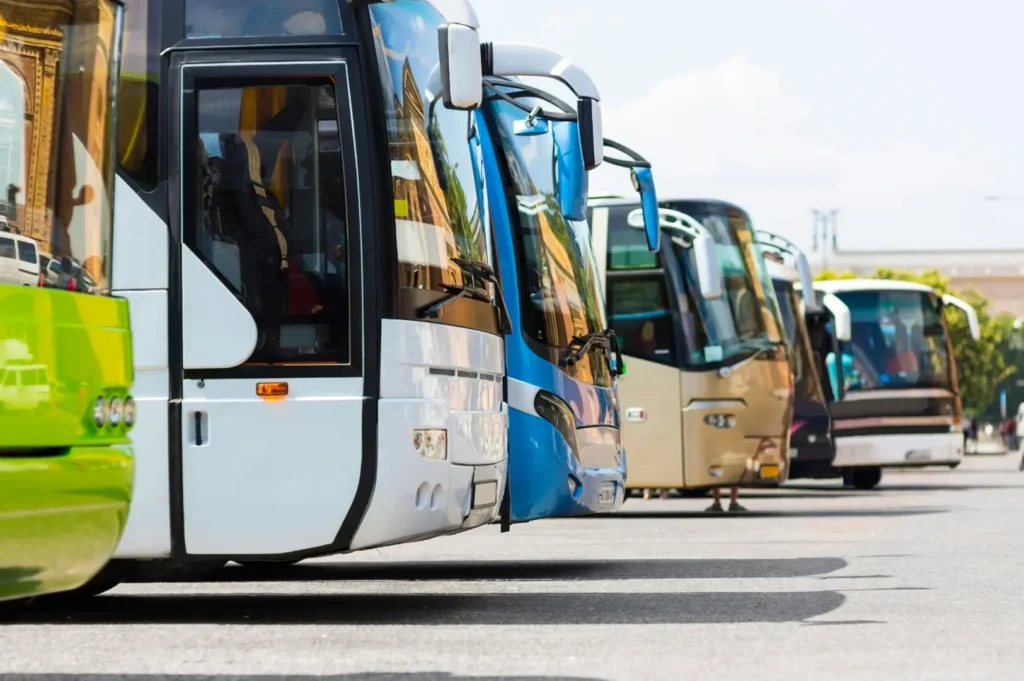
Singapore’s network, managed by the Land Transport Authority, is designed for clarity and reliability. But to make it work for you, you need to go beyond the first set of directions you see.
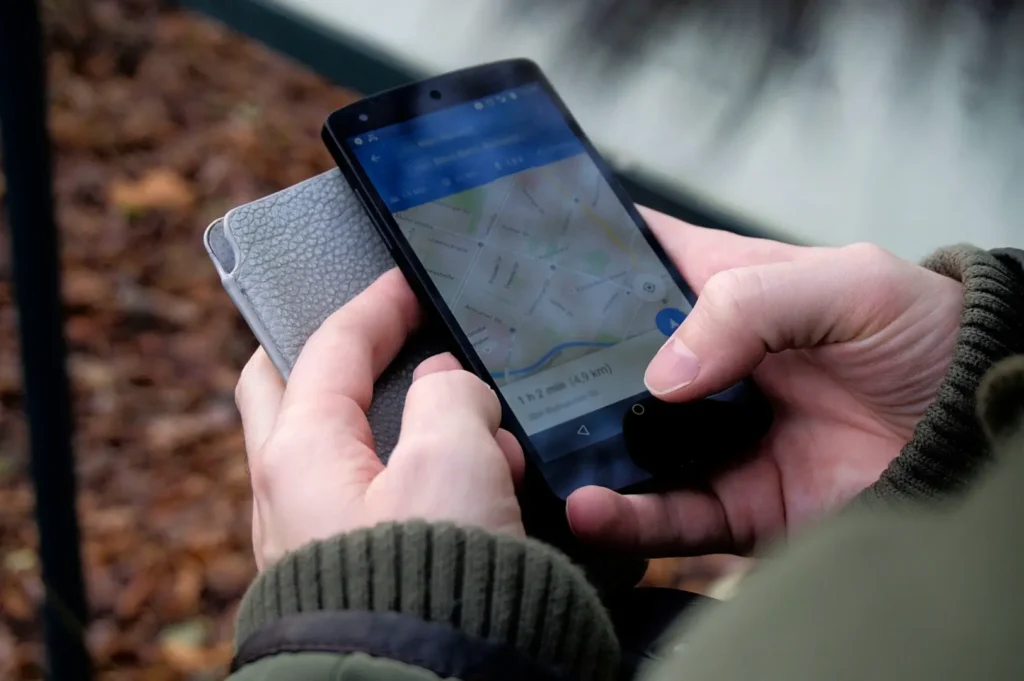
1: Use Multiple Tools, Not Just One App
Start broad, then refine your plan.
Use Google Maps to find general bus routes
Use Citymapper to compare options and view alternatives
Then download MyTransport.SG or SBS Transit apps
These apps provide real-time information—arrival timings, delays, and updates for specific bus stops. You can also enter a bus stop code to get precise timing for each service. Once you build the habit, everything you need sits right at your fingertips.
2: Look Beyond Time — Study the Journey
When comparing routes, slow down and review the full journey instead of focusing only on minutes.
Check:
Number of stops
Walking distance between stops
Waiting time between connections
Operating hours, especially on weekend and public holidays
A route might look efficient when you first click it, but if you just missed a bus, your entire schedule shifts. That extra wait—especially in the afternoon heat—feels much longer than what the app suggests.
3: Confirm the Direction Before You Board
Many bus services in Singapore run in both directions along the same road.
Before boarding:
Check the final destination displayed on the bus
Match the bus stop code in your app
When unsure, ask the driver
This small step saves you from circling the same place without realising it.
4: Track Your Ride Quietly
Keep your app open—but don’t let it take over.
Follow your route visually
Watch your stops approach
Let the app guide you, not overwhelm you
At first, you may check every stop. I did. But gradually, you begin to recognise the rhythm—the same bus stops, the same turns, the same sequence of places passing by. You start to discover patterns without needing constant confirmation.
A Small Habit That Changes Everything
Add a 5–10 minute buffer to every journey.
Traffic, weather, and delays can affect any bus service. Even small disruptions—like a late bus on a Monday morning or a crowded Saturday afternoon—can shift your entire timing.
Leaving earlier removes that quiet pressure. It changes how you experience the journey.
The Mistakes I Made Using Public Buses
Mistake 1: Ignoring Shelter and Construction
I once followed a route that required a 12-minute walk between bus stops.
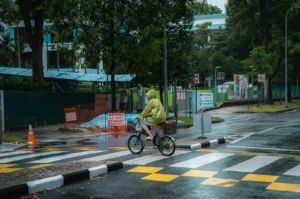
Halfway through, rain started—heavy, sudden, the kind that soaks through everything. The pavement darkened, the air thickened. That “faster” route became exhausting.
Now, I always:
Check for shelter coverage
Look out for construction updates
Compare alternative direct bus routes
Comfort matters more than saving a few minutes.
Mistake 2: Trusting Tight Transfers
If an app suggests a 2-minute transfer, don’t trust it.
Bus timings shift slightly throughout the day. During peak hours, or even on a busy weekend or holiday eve, delays stack up.
Missing one connection means waiting again—and that changes everything.
Mistake 3: Slowing Down the Queue
Boarding a bus in Singapore is quick—and expected to be.
I used to stand at the entrance, searching through my bag while others waited behind me. You can feel it—the quiet pause, the subtle tension.
Now:
Card ready before boarding
Tap, move, settle
It becomes part of the flow of public buses here.
Commute Chronicles: When Slower Routes Work Better
Orchard to Tiong Bahru
Fastest route: MRT + transfer + walk
Better route: One direct bus
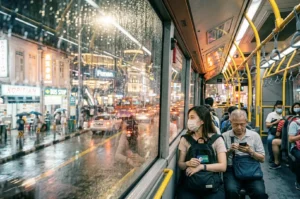
The bus takes longer—but you sit, rest, and let the city pass by. No navigating crowded trains, no rushing between platforms.
Sometimes, the slower route feels lighter.
CBD to East Coast Park
Fastest route: MRT + feeder bus
Better route: Direct trunk bus
I took this route one Saturday afternoon. The city slowly softened as the bus moved further out. The crowd thinned, the pace slowed.
It didn’t feel like commuting. It felt like transitioning into a different part of the day.
Cost and Simplicity of Bus Travel in Singapore
Singapore’s fare system, regulated by the Land Transport Authority, is distance-based.
Most trips cost between S$1.09 and S$2.50
Differences between routes are minimal
You are not choosing based on cost.
You are choosing based on comfort, timing, and how the journey fits into your day.
Staying Updated with Bus Directions Singapore
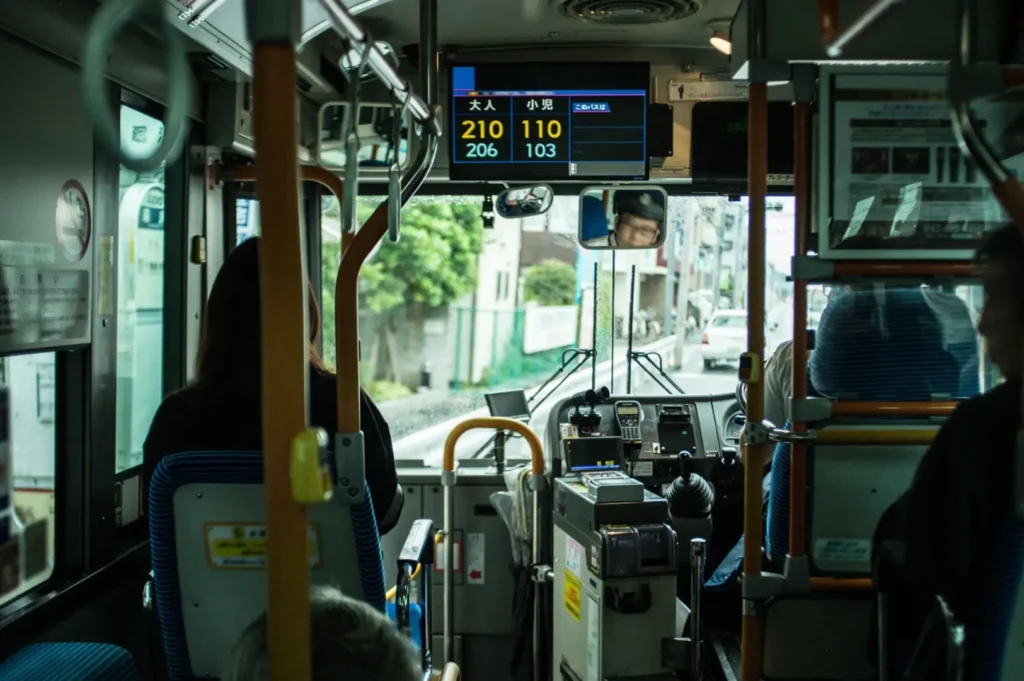
Singapore’s transport network is constantly evolving.
Changes are regularly introduced due to:
Road works
New developments
Adjustments across the year
To stay informed:
Regularly review updates on the Land Transport Authority website
Use the SBS Transit app for real-time alerts
Search for your bus number to view route changes
Pay attention to alerts about modified stops or timings
Sometimes a small message appears in your app—a skipped stop, a revised route, a change in operating hours. It’s easy to ignore, but these details shape your journey.
I’ve learned to check my route the night before—especially before a Monday commute or a weekend plan. It turns uncertainty into something manageable.
Finding Your Rhythm with Public Buses in Singapore
At some point, something shifts.
You stop relying on every click or instruction. You begin to recognise patterns.
You enter your destination less often
You select routes based on familiarity
You begin to find small shortcuts naturally
The same bus arrives. The same stops pass by. The same quiet routines repeat.
And slowly, the system begins to make sense.
Not because you memorised it—but because you’ve lived it.
Journey's End: Finding Your Commuter Zen
The idea that the fastest route is the best route is entirely algorithm-driven. Algorithms do not sweat, they do not carry heavy groceries, and they do not mind transferring three times in the rain.
As you explore Expat Life Singapore, you will naturally build your own “go-to” routes. You will learn the anchor stops in your neighborhood, figure out which buses are wonderfully empty at 10:00 AM, and realize that a slightly longer, direct journey is the perfect time to listen to a podcast or read a few chapters of a book.
In Singapore’s transit system, speed is theoretical, but the experience is incredibly practical. Give yourself permission to take the slower, more direct bus. The best route isn’t the one that gets you there the fastest; it is the one you don’t have to think about. Sit back, enjoy the air-conditioning, and let the journey be a gentle part of your day.
For those exploring bus directions in Singapore, it’s also worth noting how easily accessible popular dining spots like Cuppage Plaza are, making it convenient to enjoy renowned Cuppage Plaza dining after your journey.