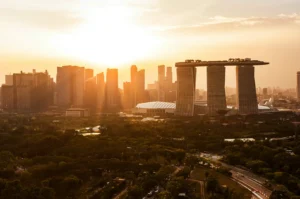
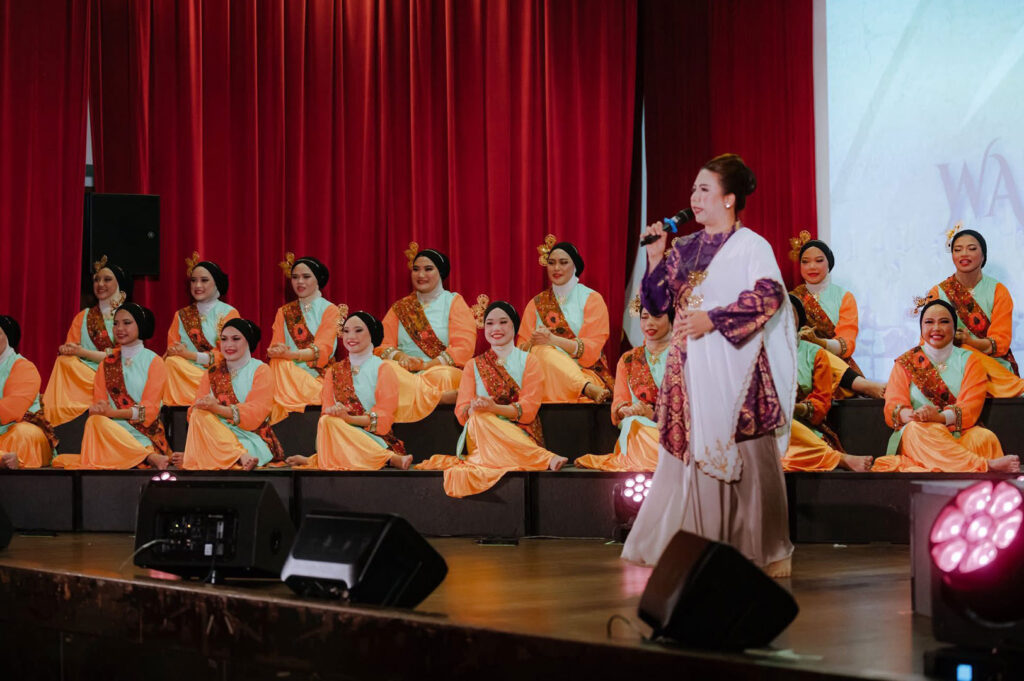
Singapore is often associated with its breathtaking skyline, vibrant food scene, and world-class shopping malls. Beneath this modern exterior lies a deep cultural heritage shaped by generations of immigrants who brought their traditions, arts, and practices with them. Nowhere is this more evident than in the Singapore traditional performing arts scene, which reflects its multicultural identity. From the resonant melodies of Chinese opera to the graceful movements of Malay dance, these art forms celebrate the diverse communities at the heart of the city.
Singapore’s population is made up of people from various backgrounds, speaking many different languages. These differences enrich the traditional performing arts, making them a unique reflection of the nation’s multicultural society.
For locals, expats, and tourists alike, exploring these performances is a journey into Singapore’s cultural soul. Attending them is not just entertainment—it builds understanding, strengthens racial harmony, and celebrates how different ethnicities live and thrive together.
These traditions are closely tied to the social norms and etiquette found across Southeast Asia, offering insight into how communities live, communicate, and relate to one another.
Introduction to Traditional Arts

Traditional arts in Singapore are a vibrant reflection of the nation’s multicultural heritage, serving as a living testament to the diverse communities that call the city home. From intricate dance forms to expressive music and storytelling, these arts are woven into the fabric of daily life, connecting people across generations and backgrounds. The National Heritage Board plays a pivotal role in preserving and promoting this rich cultural heritage, ensuring that the traditions of various ethnic groups remain accessible and relevant in modern Singapore.
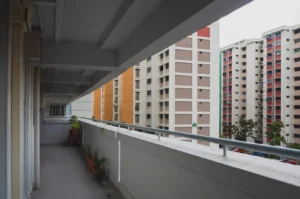
Singapore’s commitment to racial harmony and ethnic integration is evident in its unique approach to community development. The Ethnic Integration Policy has shaped a landscape where ethnic enclaves and housing estates coexist, fostering daily interactions among people of different religions and ethnicities. This blend of cultures has created opportunities for many Singaporeans to experience and appreciate the traditions of other races, whether through neighborhood events, school programmes, or public performances.
Where Memory Steps Onto the Stage: Singapore Traditional Performing Arts
Across Singapore, traditional performing arts are a living, breathing tapestry woven from the stories of various ethnic groups whose journeys converged at this city-state’s strategic location in Southeast Asia. The National Heritage Board and National Library Board play a vital role in preserving and documenting these intangible cultural heritage art forms, ensuring that the legacy of traditional dance and traditional music continues to inspire contemporary Singapore’s evolving cultural landscape.
You can feel the pulse in the first drumbeat, hear the whispered echoes of Chinese dialects, and see the shimmering silk costumes catch the light. These performances are not static relics but vibrant expressions of a multicultural society where different cultures and ethnicities come together to celebrate a shared heritage.
Kampong Glam: Traditional Dance in the Open Air
The Experience
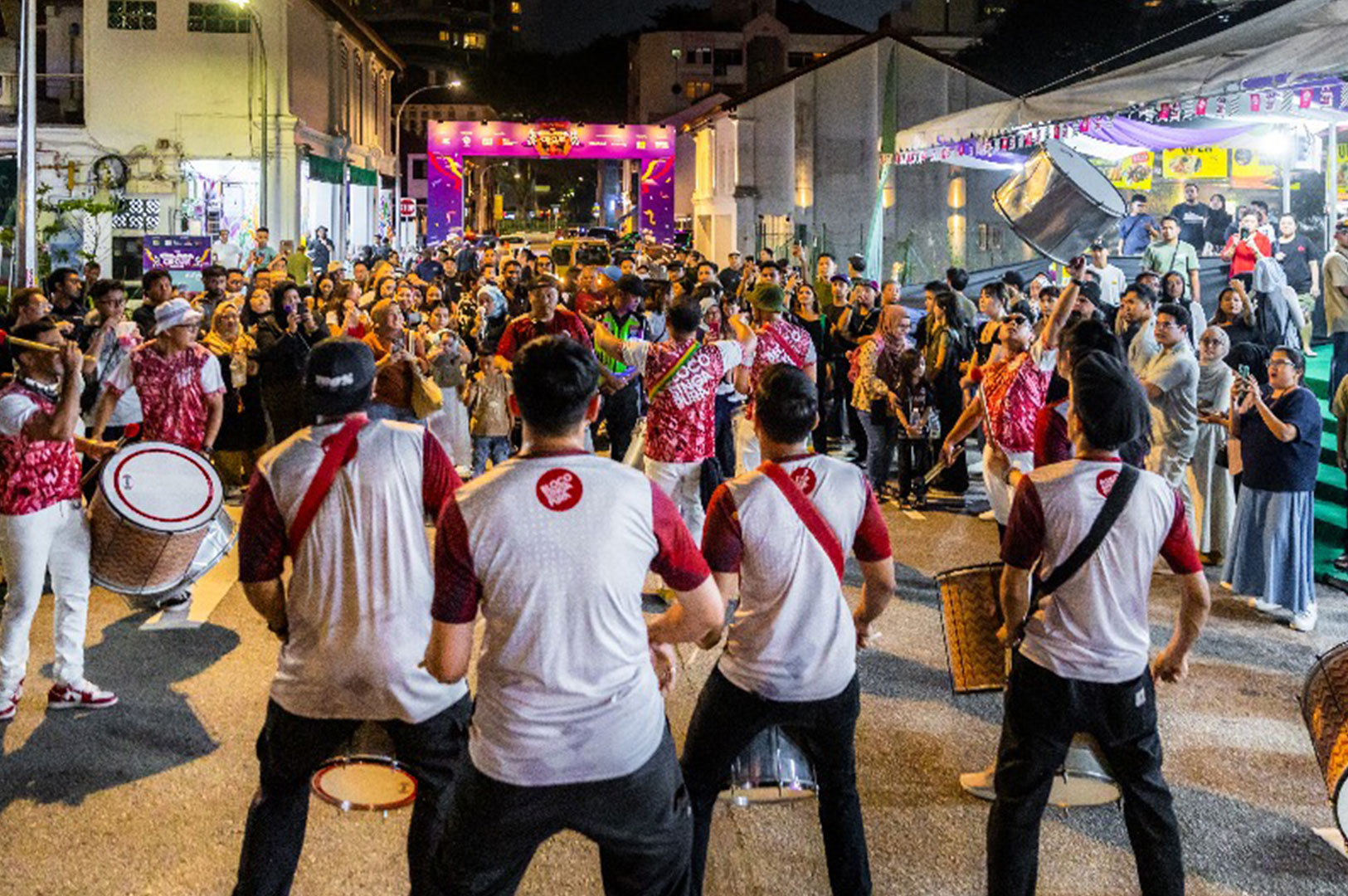
Kampong Glam, a historic Malay-Muslim precinct, is where traditional dance and music come alive amid the scent of jasmine and grilled satay, framed by mosque domes under the night sky. The rhythmic thunder of kompang drums and flowing costumes create an immersive atmosphere during Gemilang Kampong Gelam, a festival running through March 2026 that anchors the Ramadan season with dance and music programmes woven into the vibrant bazaar.
Expect:
- The deep, resonant beats of the kompang drums vibrating through the crowd
- Graceful, swirling sarongs and songket fabrics turning under floodlights
- A warm Malay-English emcee guiding the evening with stories and laughter
Where to Find the Magic
- Where to gather: Sultan Gate Park / Bussorah Street / North Bridge Road
- Nearest MRT: Bugis (EW12/DT14), Exit B — ~5 minutes’ walk; Lavender (~10 minutes); Nicoll Highway (~12 minutes)
- Cost: Free entry; food and retail spending optional
- A Quiet Detail to Know: Ramadan evenings are lively and dense; set a clear meet-up point as mobile reception can lag in packed areas
If This Speaks to You
Best for families, cultural explorers, and those who cherish communal celebrations. Afterward, savor murtabak at Zam Zam or a slow teh tarik on Arab Street to extend the sensory journey through Malay culinary heritage.
Singapore Indian Fine Arts Society (SIFAS) — Discipline and Devotion in Classical Dance
The Experience
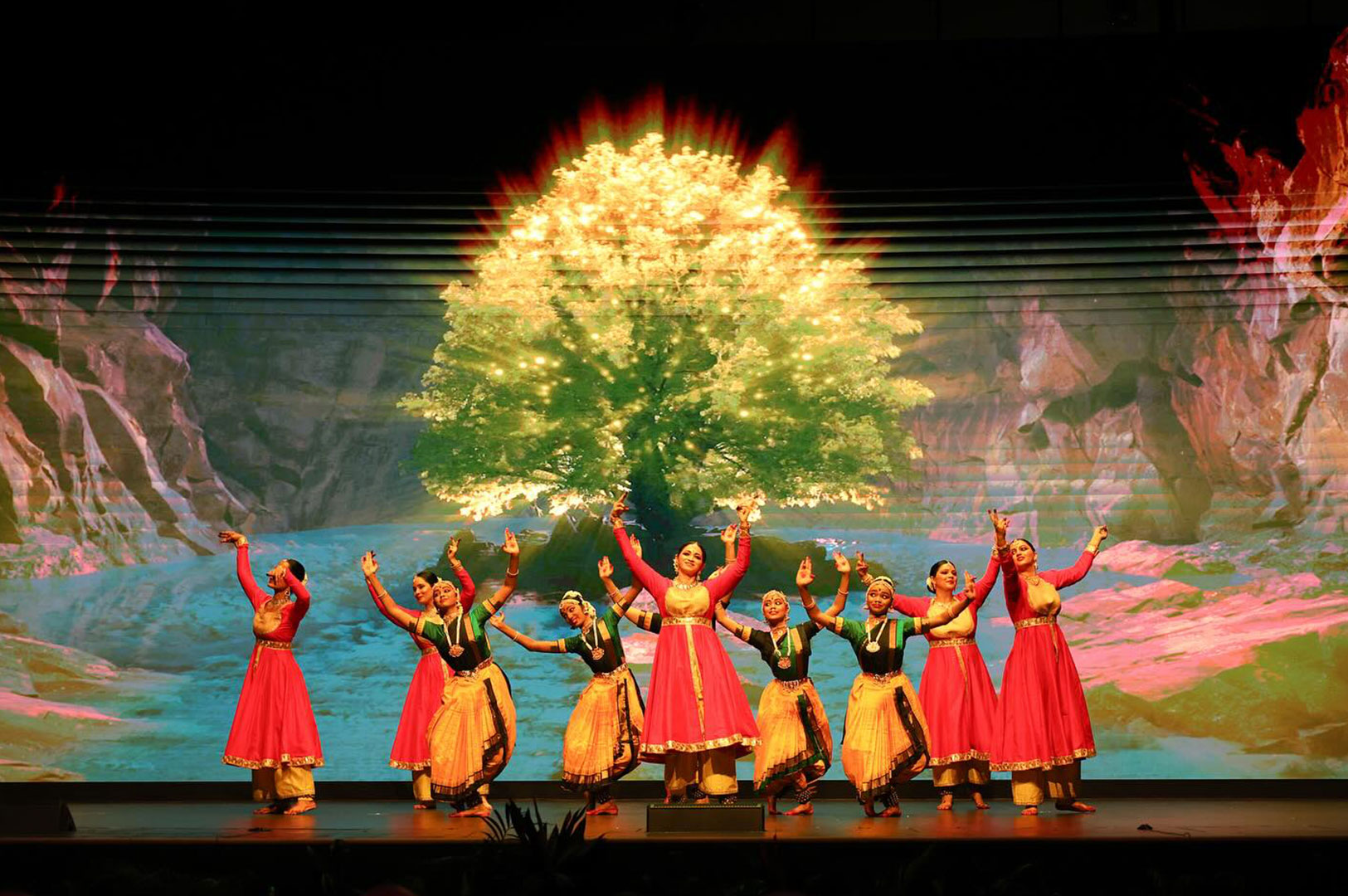
SIFAS embodies the passion and precision of Indian classical dance forms like Bharatanatyam and Kathak. Nestled in the Bras Basah–Bugis arts belt, its intimate campus is a hushed sanctuary where the geometry of mudras and the layered rhythm cycles of classical music transport audiences into ancient stories from India’s rich cultural origins.
Expect:
- The crisp strike of ghungroo ankle bells marking intricate footwork
- The emotive storytelling through hand gestures and facial expressions
- The complex tala (rhythmic cycles) underpinning the music
Where to Find the Magic
- Address: 250/252 Middle Road
- Nearest MRT: Rochor or Bencoolen — short walk
- Cost: Typically SGD $20+, premium pricing for guest artistes
- A Quiet Detail to Know: Choose recitals with introductory segments for context; programme notes often provide English translations
If This Speaks to You
Ideal for serious cultural students and those seeking a deep dive into classical arts. Post-performance, explore Little India’s Tekka Centre for prata or biryani, savoring the flavors that mirror the dance’s vibrancy.
Singapore Chinese Cultural Centre — Peranakan Performance with Heart
The Experience
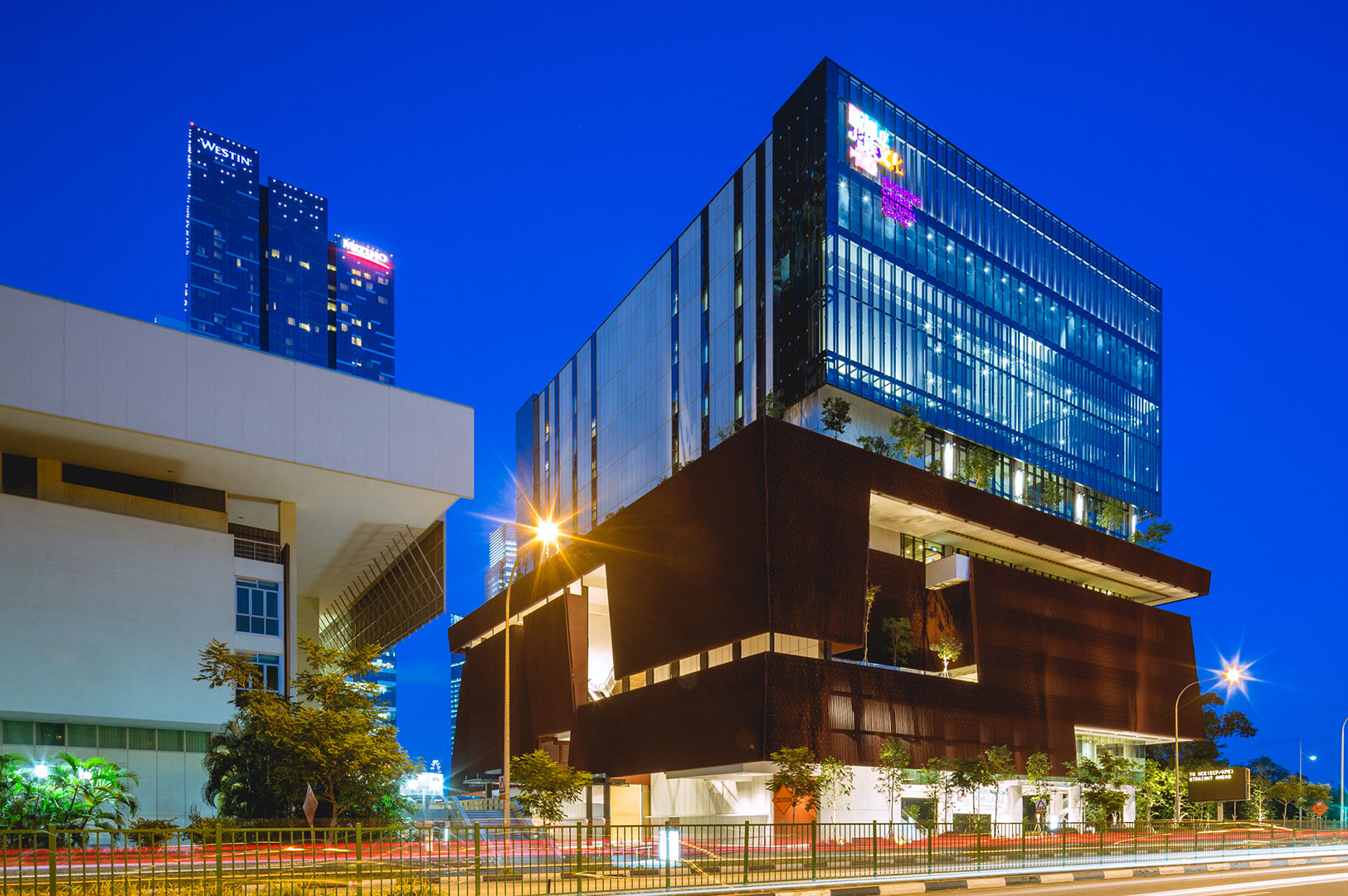
The Singapore Chinese Cultural Centre specializes in Peranakan-stage concerts such as “Mari Hua Hee: Let’s Have a Baba Nyonya Party!” This venue blends contemporary architecture with warm communal storytelling, celebrating the shared heritage shaped by Chinese and Malay intersections. The playful banter and familiar songs create an inviting atmosphere that bridges generations.
Expect:
- Playful, singalong energy with laughter rippling through the theatre
- Bilingual humour and music-led storytelling accessible to diverse audiences
- A celebration of Peranakan customs through song and dance
Where to Find the Magic
- Address: 1 Straits Boulevard, Singapore 018906
- Nearest MRT: Tanjong Pagar (~7 minutes); Downtown (~12 minutes)
- Cost: Around SGD $30+, depending on seating
- A Quiet Detail to Know: Arrive early to enjoy accompanying bazaar programming for a fuller cultural immersion
If This Speaks to You
Perfect for social groups, heritage enthusiasts, and anyone curious about how Singapore’s multicultural identity continues to thrive. Cap the night with a Peranakan meal nearby or drinks by Marina Bay, letting the stories linger.
Preserving and Innovating: The Vital Role of National Heritage Institutions
The National Heritage Board and National Library Board not only preserve photographs, recordings, and documents that chronicle the history and origins of Singapore’s traditional performing arts but also actively support programmes that nurture practitioners and engage schools. Their work ensures that this wide array of art forms—from Malay Zapin to Chinese opera and Indian Bharatanatyam—remains a vital part of Singapore’s cultural identity.
Through digitization projects and exhibitions, these institutions foster appreciation and understanding across diverse communities, helping Singaporeans and visitors alike explore the shared heritage that shapes the city’s multicultural society. This preservation effort is complemented by the passion and craft of artists who innovate while honoring tradition, ensuring these art forms remain constantly evolving and relevant.
Festivals and Community: Celebrating Multicultural Singapore
Singapore’s festivals provide a dynamic platform for traditional performing arts to flourish. Events like the Lunar New Year, Hari Raya Puasa, and Deepavali bring together ethnic groups in joyous celebration, reflecting the importance of culture, customs, and beliefs in daily life. These festivals offer a sense of belonging and unity, showcasing performances that highlight the diverse communities and their stories.
From the fire-walking rituals of Theemithi to the vibrant lion dances and gamelan orchestras, these events exemplify how Singapore’s history as a trading hub with Malaysia and other neighbors has shaped a multicultural society where different cultures are celebrated side by side.
Preserving Cultural Heritage for Future Generations
In recent years, efforts to preserve and promote Singapore traditional performing arts have expanded. Ministry-led programmes, community workshops, and innovative fusions with Western styles keep traditions alive while moving them forward.
Leaders and officials have also spoke at community forums and events about the importance of preserving Singapore traditional performing arts.
By integrating these performances into education, housing estates, and exhibitions, Singapore ensures that new generations understand their shared culture, race relations, and the importance of equality in a modern society.
Even everyday interactions—like using Singapore local slang or learning Singlish for expats—play a role in shaping a common language that unites different ethnicities. If you’re new here, take time to learn Singlish phrases; you’ll find they’re more than words—they’re expressions of belonging in a multicultural community.
If you’d like a better understanding of everyday customs and social norms in the region, our guide to Southeast Asia cultural etiquette is a good place to start.
Call-to-Action: Experience the Heart of Singapore’s Culture

Exploring Singapore traditional performing arts is more than just watching—it’s joining a celebration of life, history, and harmony. These performances showcase the strength of diverse communities, the importance of racial harmony, and the creativity of artists shaping the nation’s future.
Step into a theatre, festival, or community stage to experience how culture, beliefs, and society are reflected through music, dance, and storytelling.
By participating, you become part of Singapore’s story of understanding, respect, and unity.