The first time I went to the National Gallery Singapore, I made a rookie mistake. I looked at the grand, neoclassical columns from across the Padang, checked my watch, and thought, “I can breeze through this in about an hour.” I was completely, hilariously wrong. I barely made it past the stunning entrance atrium before realizing this was no ordinary museum visit. Housed within the beautifully restored former City Hall and Supreme Court buildings, it is a staggering 64,000 square meters of Southeast Asian art, history, and architectural brilliance.
On my third visit, I discovered the secret to tackling this monumental space: you do not conquer the National Gallery; you pace yourself and let it absorb you. It houses the largest public collection of modern and contemporary art from Singapore and Southeast Asia, spanning from the 19th century to today. Whether you are an art aficionado or just a curious expat looking to understand the cultural pulse of your new home, the Gallery demands your attention. Here is my brisk, practical guide to navigating the National Gallery without burning out, getting lost, or missing the absolute best parts.
Hop In and Get Ready: The Approach Matters in Your Singapore Experiential Visit
Getting to the National Gallery Singapore is straightforward, but the exact route you walk sets the tone for your entire singapore experiential visit. The official address is 1 St. Andrew’s Road.
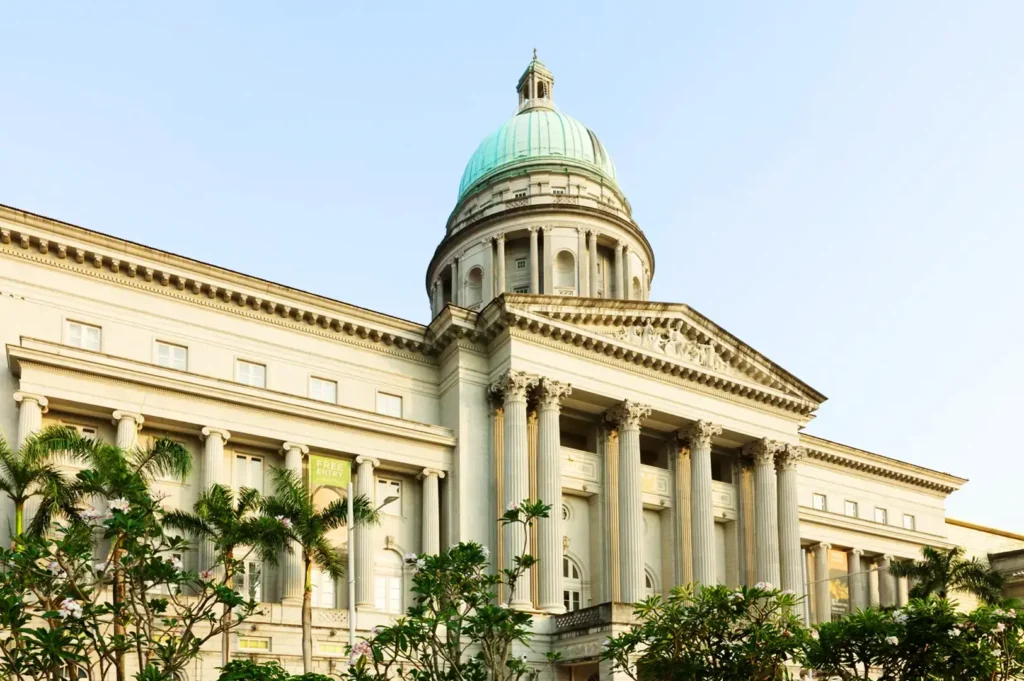
Do not just “take the MRT and look for signs.” For the most visually striking approach, take the East-West (EW13) or North-South (NS25) line to City Hall MRT → Take Exit B → Walk past St. Andrew’s Cathedral → Turn down St. Andrew’s Road → Approaching the Gallery from this angle gives you a sweeping, unobstructed view of the colossal Corinthian columns of the City Hall wing, part of the national monuments, contrasted against the copper-green dome of the former Supreme Court building.
Alternatively, if you come from Clarke Quay MRT (NE5), it is about a 10- to 12-minute walk via Coleman Street → This route is a bit more of an uphill trek but drops you right near the Supreme Court side, another of the historic buildings that house the National Gallery’s vast collection.
Lesson from an Expat: Enter via the Padang Atrium. It sits right in the middle of the two national monuments. Walking through those massive glass doors and seeing the modern architectural interventions bridging the two heritage monuments is a jaw-dropping way to start your journey through singapore’s history and southeast asian art.
National Gallery Best Hours: Timing Your Singapore Art Journey
The National Gallery is open daily from 10:00 AM to 7:00 PM, but all hours are not created equal for meaningful interaction with the art and exhibitions.
If you want a quiet, contemplative experience, consider these optimal visiting times:
Weekday mornings (10:00 AM to 11:30 AM): Enjoy empty grand halls, crisp lighting, and ample space to explore permanent galleries showcasing singaporean and southeast asian artists without distraction.
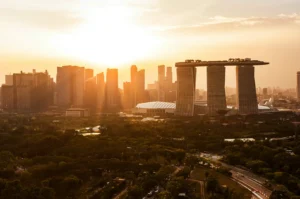
Late afternoons (around 3:30 PM): Crowds thin as school groups depart and the tropical sun lowers. After a 3-hour tour, step onto the rooftop to catch the golden hour and watch the sunset over the Marina Bay skyline—a spectacular moment to reflect on singapore’s history and cultural development.
Avoid Saturday afternoons if you dislike crowds, as popular photo spots like the glass link bridges become bottlenecked with visitors trying to capture the perfect architectural shot.
A Realistic Overview of the National Gallery Experience
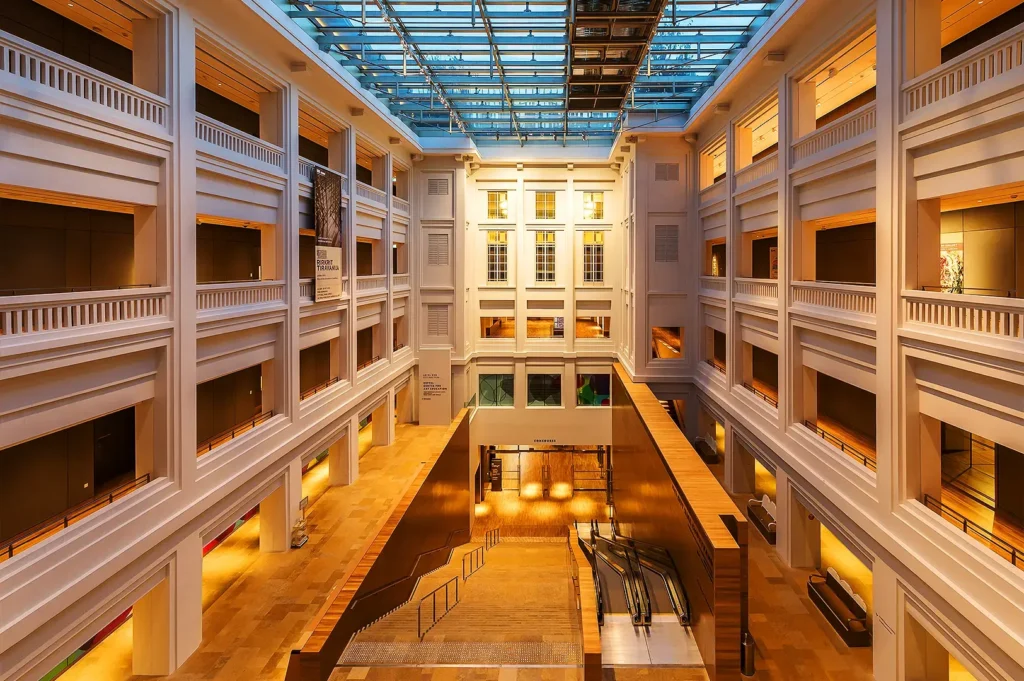
Expect to feel small. The architecture is imposing by design, as the National Gallery Singapore houses the world’s largest public collection of modern art in Southeast Asia. Plan for at least 3 to 5 hours to explore both permanent galleries and special exhibitions.
Be ready for a lot of walking. Despite elevators and escalators, the corridors connecting the former Supreme Court and City Hall buildings are long.
Some sections may be closed due to private events or maintenance, but the vast collection ensures plenty to see.
Accessibility is excellent, with ramps, wide elevators, and wheelchair loans making navigation smooth for those with mobility concerns.
Capture These Must-See Highlights
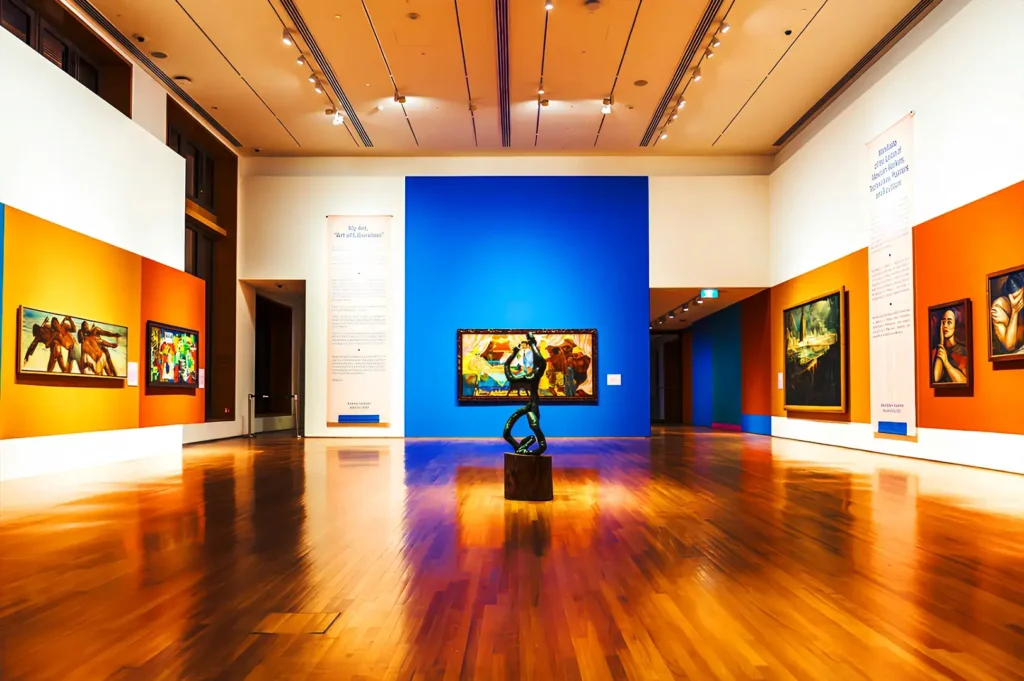
With so much ground to cover, you need a plan. Here are the spots you cannot miss to deepen your citizens understanding and new citizens understanding of singapore’s history and southeast asian region.
The DBS Singapore Gallery
Located in the City Hall wing, this is where you start your singapore experiential visit. It provides an incredible foundation for understanding Singapore’s journey from a colonial port to an independent nation, all told through the eyes of singaporean and southeast asian artists. Look out for the works of Georgette Chen, whose vibrant post-impressionist paintings on canvas capture local life and key milestones in singapore’s development.
The UOB Southeast Asia Gallery
Housed in the former Supreme Court building, this gallery broadens the lens. It showcases the shared histories, struggles, and triumphs of the entire southeast asian region. The historical context provided here makes clear how interconnected the regional cultures are, with artworks spanning from Chinese modern art to contemporary installations.
The Glass Link Bridges
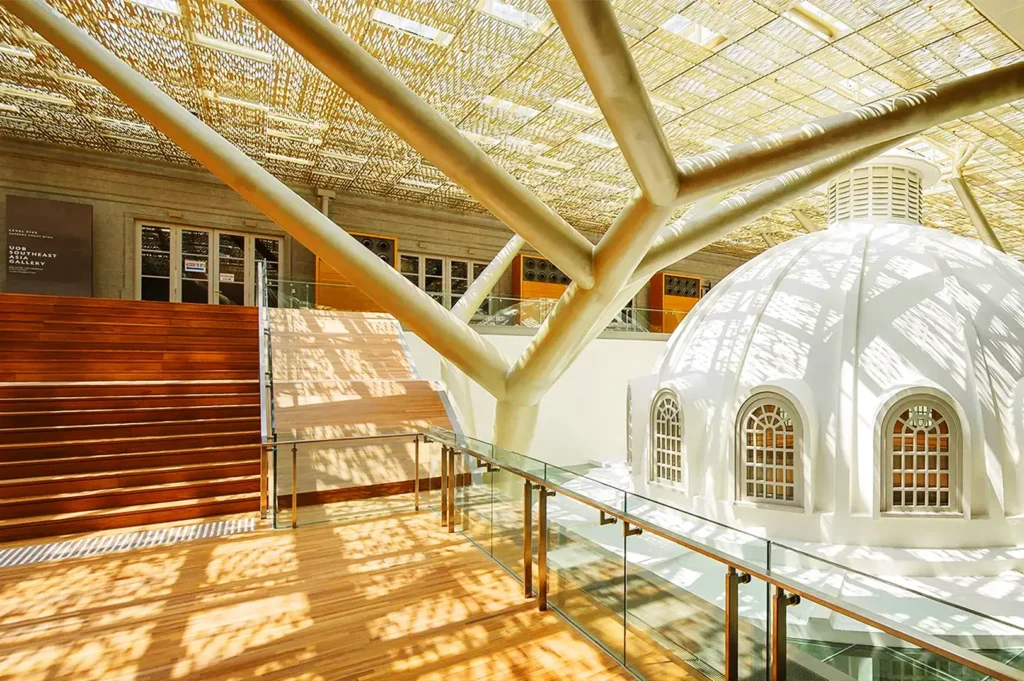
You will cross these naturally as you move between the two wings, but take a moment to stop. The architects suspended sleek, modern glass and steel walkways between the original exterior walls of the two national monuments. It is a stunning juxtaposition of old and new and easily one of the best photo spots in Singapore.
Secret Highlights Often Missed
It is easy to get tunnel vision when looking at paintings, but the building itself holds some incredible secrets that provide opportunities for deeper appreciation and research.
The Rotunda Library & Archival Materials
On my third visit, I discovered the Rotunda Library tucked away in the Supreme Court wing. Most tourists walk right past it. Historically, it was the law library. Today, it houses archival materials and art books, offering a serene, beautifully preserved circular room that feels like stepping into a different century.
The Ng Teng Fong Roof Garden
Do not leave without taking the elevator to the very top of the City Hall wing. The roof garden features rotating large-scale sculptures and installations by southeast asian artists. More importantly, it offers sweeping, panoramic views of the Padang, the Esplanade, and Marina Bay Sands—a quiet oasis above the city traffic and a perfect spot for reflection on singapore’s history and future.
Start from the Top Down
Most visitors bottleneck on the lower floors right after entering. Take the elevator straight to the top floor and work your way down. You will move against the grain of the crowds and enjoy a much more peaceful and meaningful interaction with the artworks and space.
Your National Gallery Singapore Checklist ✔️
A smooth visit requires a bit of practical preparation.
Tickets & Admission
Purchase standard admission tickets (S$20 for adults; S$15 for students, seniors, and persons with disabilities)
Singapore Citizens and Permanent Residents: bring NRIC for free admission to permanent galleries
Budget additional S$10–15 for special rotating exhibitions
What to Wear & Bring
Dress smart casual and comfortably
Bring a light sweater or scarf for air-conditioned interiors
Wear comfortable walking shoes suitable for marble and hardwood floors
Carry a reusable water bottle (water fountains available inside)
Pack a small umbrella for sudden tropical rain showers
Essentials to Prepare
Bring a camera or smartphone for photography (note some areas may restrict flash)
Have your NRIC or identification ready for admission discounts or free entry
Check exhibition schedules and book tickets in advance if possible
Plan your visit time to avoid crowds (weekday mornings or late afternoons recommended)
Make dining reservations ahead if you plan to eat at National Kitchen by Violet Oon
Use this checklist to make the most of your singapore experiential visit to the National Gallery Singapore!
Expanding Your Singapore Experiential Visit: Connecting National Heritage and Community
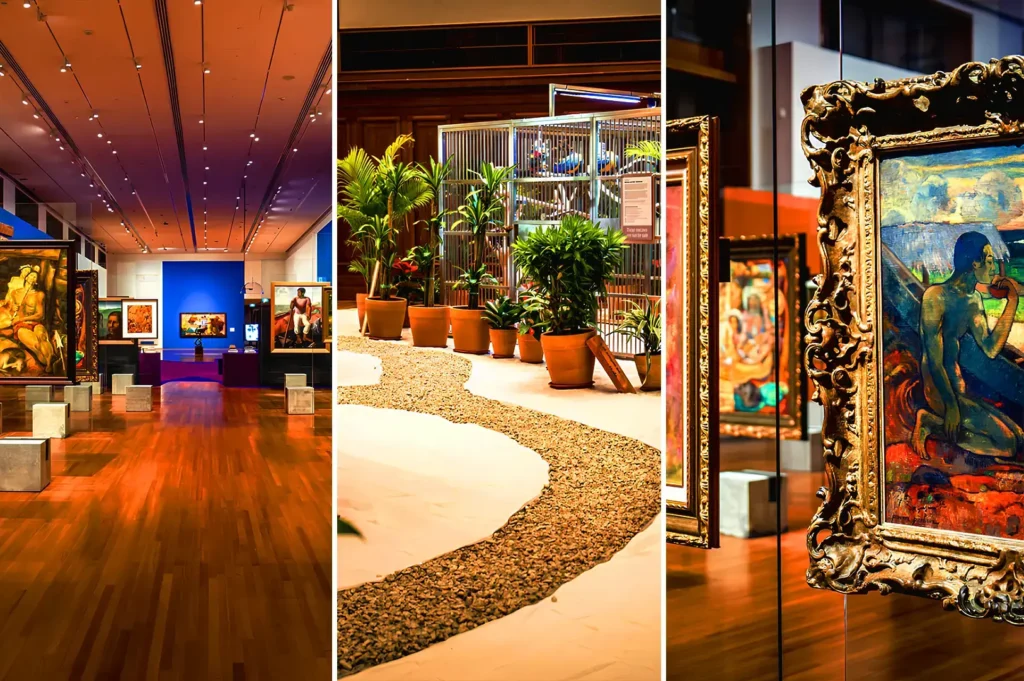
While the National Gallery Singapore offers a profound SG journey through art and history, the experience is enriched by engaging with Singapore’s broader cultural heritage through other sites managed by the National Heritage Board. These national monuments and museums provide complementary insights into singapore’s history, regional cultures, and key milestones that shape the local community.
Exploring the National Museum of Singapore, for example, deepens new citizens understanding of Singapore’s complex history through immersive exhibitions that feature archival materials and artifacts. The museum’s storytelling provides meaningful interaction with the past, helping citizens and new citizens alike appreciate the development of the nation from its earliest days to the present day.
The National Heritage Board’s programmes often include guided tours and community events that provide opportunities for visitors to connect with singaporean and southeast asian culture beyond the gallery walls. These experiences foster a citizens understanding that is vital for new citizens and locals, creating a sense of belonging and shared identity.
Parting Shots: A Journey, Not a Sprint
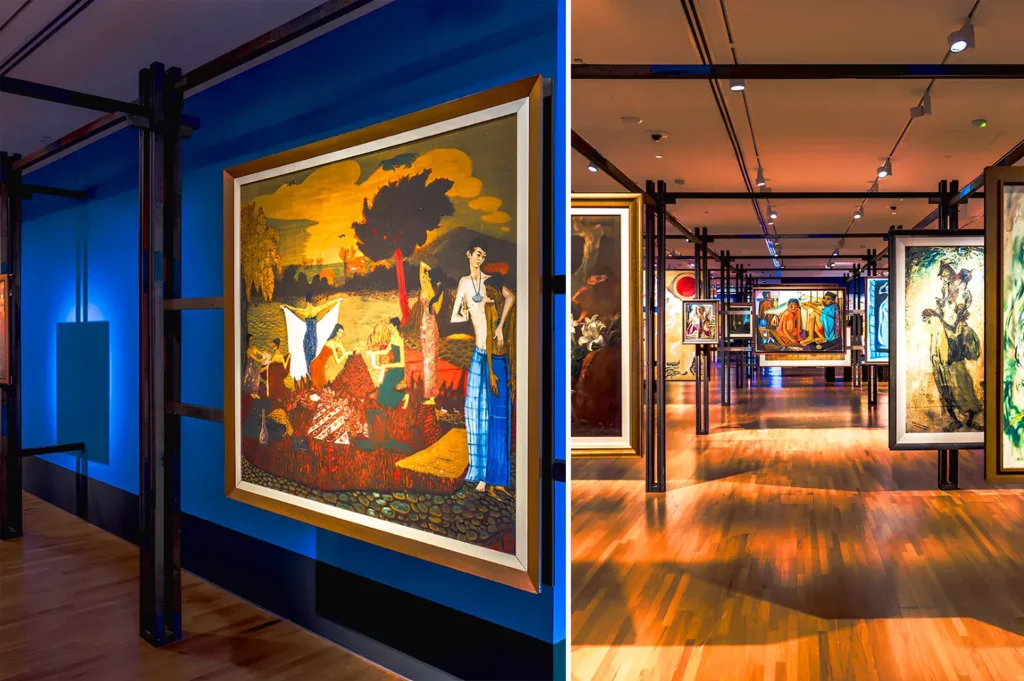
The National Gallery Singapore is not just a building to tick off a tourist checklist. It is a deeply immersive story of culture, conflict, identity, and triumph. It demands your time and repays you with a profound understanding of the region you now call home.
Do not rush it. Pick two galleries, take a long walk across the glass bridges, find a quiet bench in the Rotunda, and let the history soak in. The art will still be there waiting for your next visit.
For those looking to unwind after exploring the galleries, Singapore also offers authentic Tea Houses we’d actually bring friends to, providing a perfect blend of cultural immersion and relaxation.