The first time I went to Katong, I was on a mission for food. A colleague told me I couldn’t call myself a true Singapore resident until I tried authentic Katong Laksa. I expected a quick meal but ended up wandering pastel-colored shophouses, artisan bakeries, and soaking in the rich blend of Peranakan Chinese heritage that defines this eastern neighborhood.
Katong isn’t just a place to visit; it’s a place to absorb. For expats wanting to look beyond the skyscrapers of the Central Business District, Katong offers a vibrant heart of local culture, blending traditional history and modern café life seamlessly.
If you want to spend a half-day exploring colorful architecture, eating incredible hawker food, and discovering boutique gems, here’s a guide to experiencing Katong right.
Local Tourism Singapore: The Roadmap to Katong’s East Coast Charm
Katong, a vibrant enclave steeped in Peranakan culture and rich local atmosphere, is a must-visit for anyone interested in local tourism Singapore style. Nestled along the scenic East Coast Road and Joo Chiat Road, this neighborhood offers a blend of colorful shophouses, street art, and authentic Singapore food experiences that are perfect for first time visitors and seasoned explorers alike. Beyond its aesthetic charm, Katong embodies Singapore’s unique culture, where heritage and modernity coexist seamlessly, making it a treasure trove for those eager to explore the city’s authentic local life.
Navigating to Katong: The Mass Rapid Transit and Beyond
Katong does not have a central MRT station, but it is well connected by the Green Line. The nearest station is Eunos MRT (EW7), from which you can enjoy a 15-minute walk along Still Road to reach East Coast Road. For those visiting Singapore with a relaxed travel style, this walk offers a sensory immersion into Singapore street life, from the aroma of kopi brewing in local coffee shops to glimpses of daily life in traditional shophouses. Walking through this route allows visitors to experience the local atmosphere intimately, passing by charming coffee shops where locals savor their kaya toast breakfasts or chat over kopi.
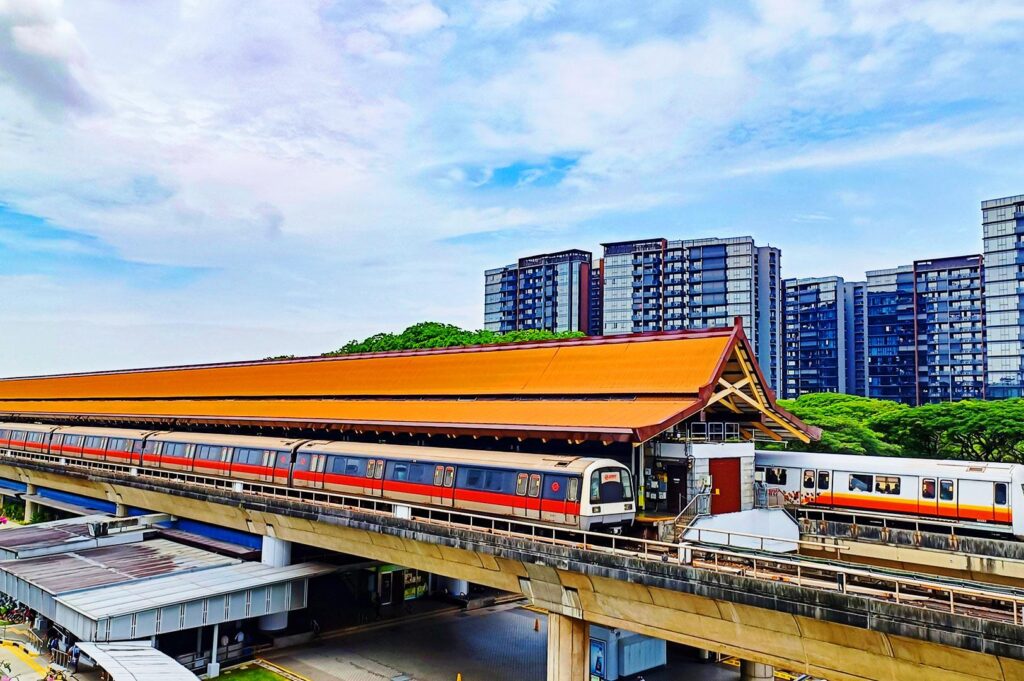
Insider Scoop: To beat the tropical heat, consider hopping on feeder buses like the 10, 12, or 32 from Eunos, Dakota (CC8), or Paya Lebar MRT stations. Alternatively, a taxi or Grab ride directly to the bustling i12 Katong mall (formerly 112 Katong) will save energy for exploring the hidden gems of the neighborhood. These options make it convenient for travelers with different preferences and help maximize time spent enjoying Katong’s unique culture and food scene.
Best Time to Catch Katong’s Magic
Timing your trip to Katong can transform your experience. Weekday mornings between 9:00 AM and 11:30 AM offer soft natural light perfect for photographing the iconic colorful shophouses on Koon Seng Road and Joo Chiat Road, while avoiding the weekend crowds. The late afternoon golden hour, just before sunset, is ideal for strolling along East Coast Road when the heat subsides and boutique shops remain open. These quieter periods allow for a more relaxed exploration, perfect for those who want to absorb the local atmosphere without the hustle and bustle.
Avoid weekends if you prefer a quieter exploration; the narrow sidewalks can become congested, and the energy shifts from relaxed to bustling as hawker centres fill with locals and tourists alike. However, weekends also bring the lively Katong Square Lifestyle & Vintage Market, where around 100 vendors offer vintage treasures, collectibles, and unique finds—a vibrant scene for those seeking a different side of Katong.
Katong’s Showstoppers: Culture, Cuisine, and Canvas
1. The Iconic Peranakan Culture and Traditional Shophouses
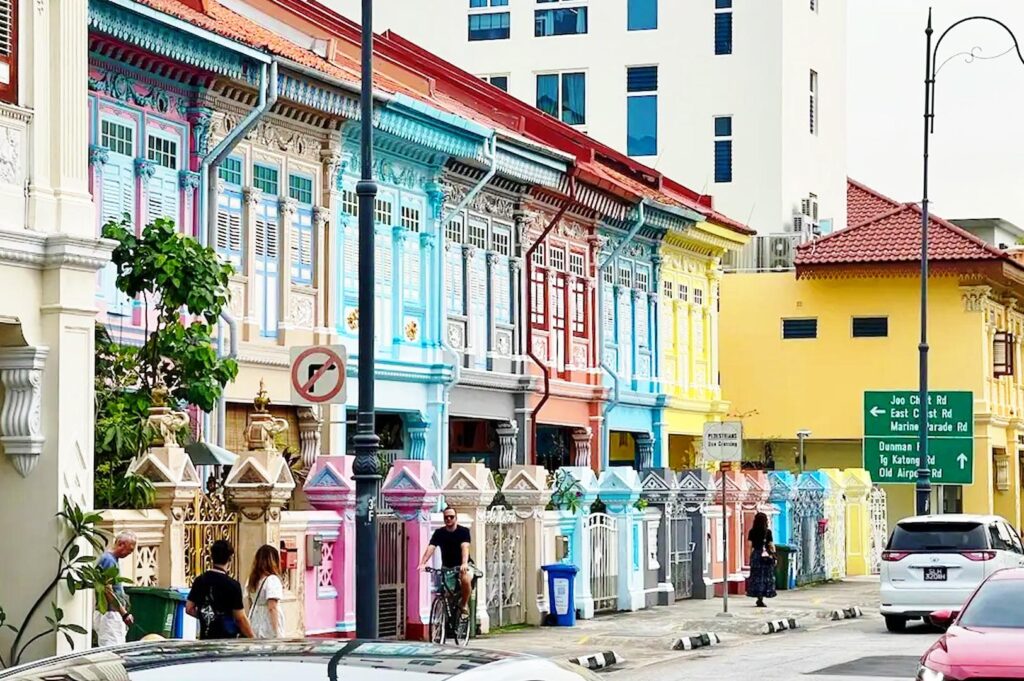
Katong’s traditional shophouses are a vibrant testament to Singapore’s unique cultural tapestry. The ceramic floral tiles, pastel hues, and intricate woodwork along Koon Seng Road and Joo Chiat Road reflect the rich Peranakan heritage that defines the area. These colorful shophouses are more than just architecture—they are living Peranakan houses where history and daily life intertwine. Many of these buildings have been recognized with Architectural Heritage Awards, preserving their historical significance and beauty amidst the new city developments nearby.
2. The Original Katong Laksa Experience
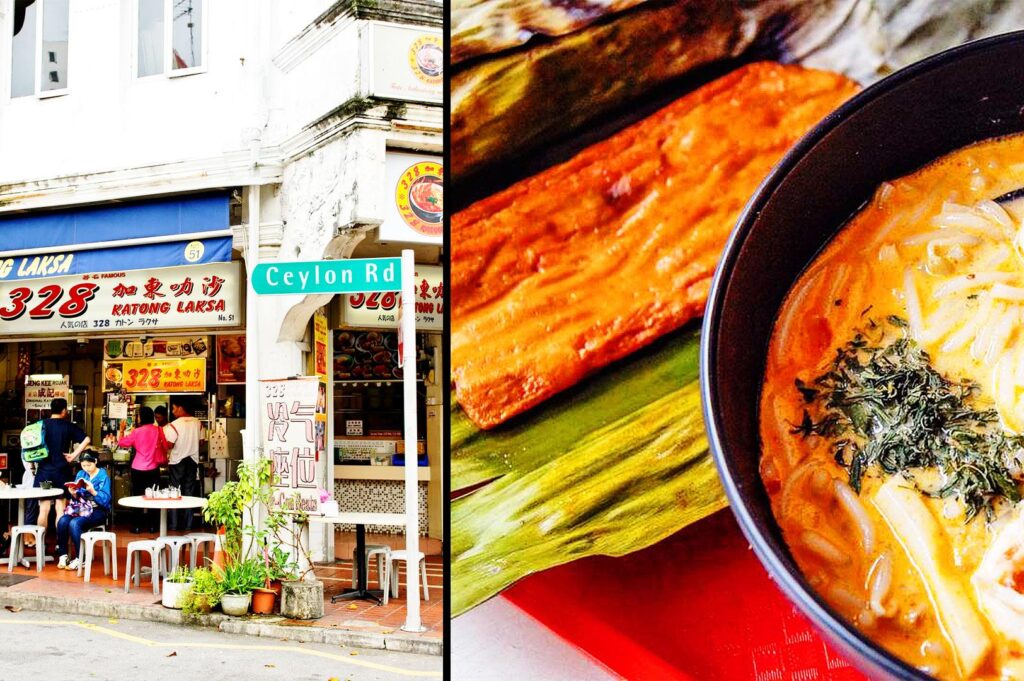
No trip to Katong is complete without savoring the original Katong laksa. This dish is a creamy coconut sanctuary, with thick rice noodles cut short, allowing you to scoop up every spicy, aromatic mouthful with just a spoon. At 328 Katong Laksa on East Coast Road, the broth carries the smoky breath of the wok, layered with fresh prawns and cockles that burst with oceanic sweetness—a true highlight of Singaporean food. This dish reflects the neighborhood’s Peranakan roots and is a must-try for visitors seeking authentic local flavors.
3. Exploring Peranakan Snacks and Heritage
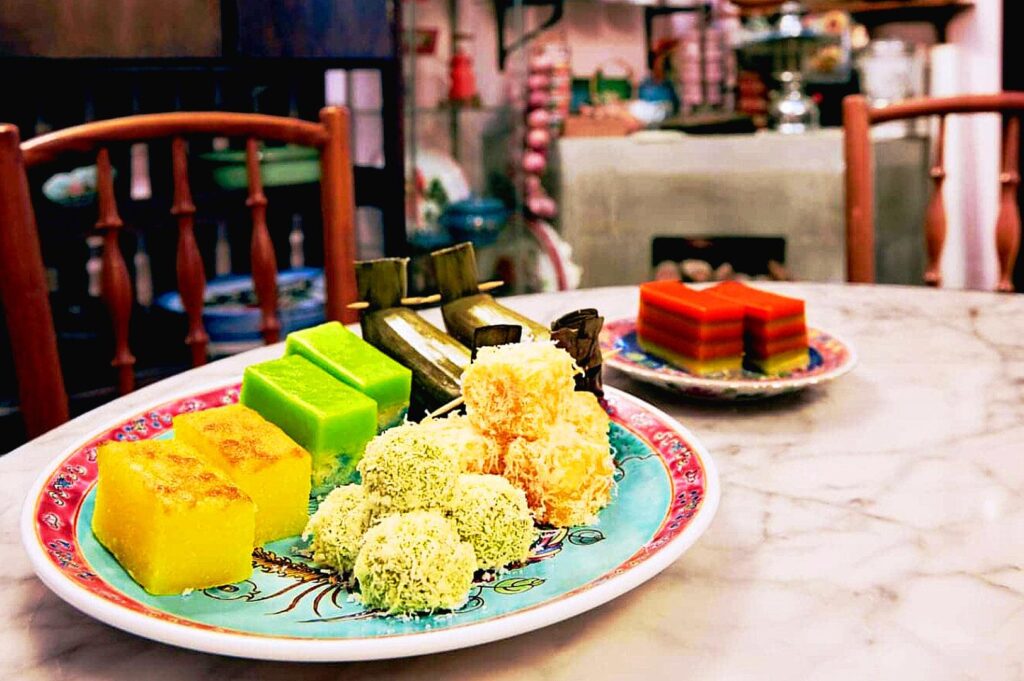
Step inside Kim Choo Kueh Chang, where the scent of steamed rice dumplings and sweet kueh fills the air. Upstairs, a small heritage gallery showcases beaded slippers and colorful kebayas, offering a tactile connection to Peranakan culture. Nearby, the Katong Antique House provides a private tour experience, unveiling treasures and stories of Peranakan traditions that enrich your understanding of Singapore’s history. The house, accessible by appointment, is a treasure trove of antiques and cultural artifacts curated by Baba Peter Wee, a leading authority on Peranakan culture.
4. Discovering the Eurasian Heritage Gallery and Sri Senpaga Vinayagar Temple
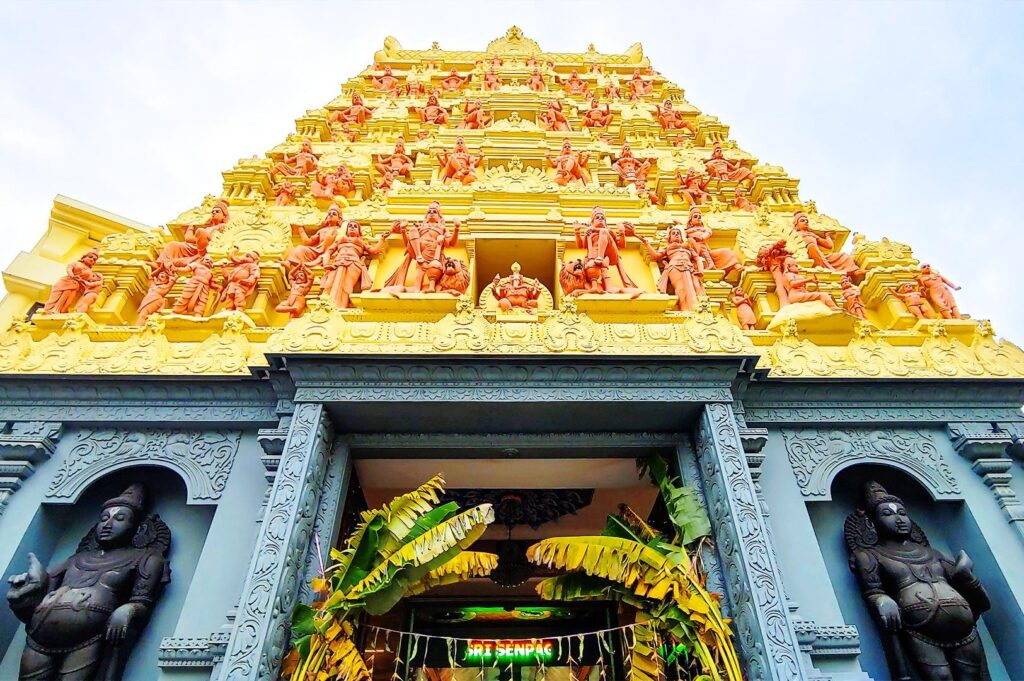
For those intrigued by Singapore’s multicultural roots, the Eurasian Heritage Gallery offers a compelling glimpse into the Eurasian community’s journey, with exhibits spanning from colonial times to modern-day contributions. The gallery features three themed sections, including the community’s origins, their experiences during WWII, and their unique cultural identity today. Just a short walk away, the Sri Senpaga Vinayagar Temple on Ceylon Road stands as a hidden gem, its intricately carved yellow gopuram a feast for the eyes and a serene spot for reflection. This temple, dedicated to Lord Vinayagar, is notable for its gold-covered Vimanam, the largest sanctum Vinayagar in Asia, and is a peaceful retreat amidst the bustling neighborhood.
5. Street Art and Boutique Shops: The Beaten Track
Katong’s back alleys reveal a vibrant collection of street art and art installations that celebrate local stories and culture. Wander off the beaten track to find murals of sea turtles and traditional street barbers, adding a contemporary layer to the neighborhood’s heritage. Artisan boutiques and independent shops, such as Rumah Bebe, offer unique souvenirs and handcrafted Peranakan crafts, perfect for those seeking a tangible memory of their trip to Singapore. These shops provide an authentic shopping experience away from the commercialized city centre, showcasing the creativity and craftsmanship rooted in local culture.
Survival Kit for Katong Adventures
Dress and Gear for Comfort
Singapore’s tropical climate demands light, breathable fabrics and supportive walking shoes. Carry a water bottle to stay hydrated and a compact umbrella to shield against sudden tropical downpours. Cash is king at many hawker centres and traditional bakeries, so keep small notes handy alongside digital payment options like PayNow. Comfortable attire will enhance your ability to explore the neighborhood’s many alleys, markets, and eateries without discomfort.
Budgeting Your Food Adventure
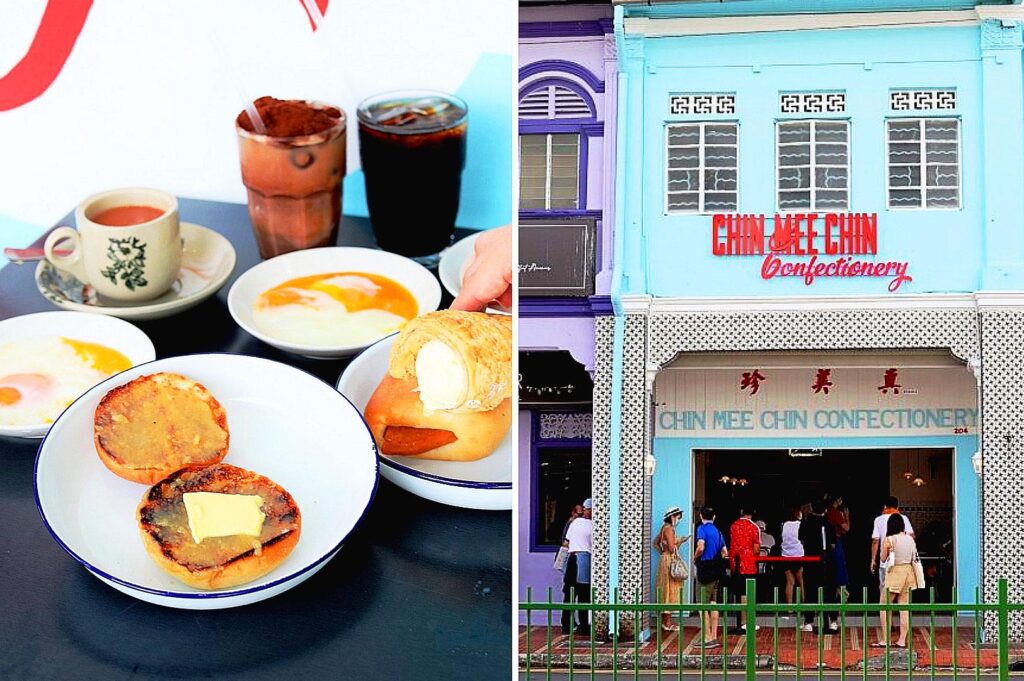
Katong caters to all budgets: a filling hawker meal, such as rojak or satay, can be enjoyed for under SGD 10, while specialty coffee and artisanal cakes at trendy cafes might cost SGD 15 to 20. This range allows visitors to tailor their experience to their travel style, whether seeking authentic street food or a relaxed café vibe. Don’t miss the chance to try kaya toast at traditional kopitiams like Chin Mee Chin Confectionery, where the rich coconut jam and butter spread on crisp toast perfectly complement a cup of local kopi.
Next-Level Katong: Insider Routes and Local Legends
To truly uncover Katong’s hidden gems and delve deeper into Singapore’s history and culture, booking a private tour with a knowledgeable tour operator is invaluable. These tours often include visits to the Eurasian Heritage Centre, Peranakan houses, and off-the-beaten-track eateries, providing a personalized narrative that transforms your trip to Singapore into a meaningful journey. Sharing stories and local tips, guides illuminate the neighborhood’s unique culture and history, enriching your exploration beyond the usual tourist trail.
Whether you’re exploring the vibrant hawker centres, admiring the street art, or enjoying a leisurely stroll along the Singapore River or Marina Bay Sands, Katong serves as an authentic gateway to the real Singapore—an experience that will leave you eager for your next visit.
For those looking to extend their cultural journey beyond Katong, a Singapore tourist view of the National Orchid Garden offers a serene and breathtaking experience. Nestled within the Singapore Botanic Gardens, this garden showcases a stunning array of orchids in beautifully curated displays.
Parting Sips and Last Bites
Katong is an absolute must-visit for expats who want to feel the historical pulse of Singapore. It forces you to slow down. You cannot rush through a bowl of hot laksa, and you cannot speed-walk through a crowded five-foot way.
Take your time. Grab a traditional coffee (kopi) from a local kopitiam, sit on a plastic stool, and watch the neighborhood wake up. Whether you are hunting for the perfect photograph of a heritage shophouse, trying spicy ayam buah keluak for the first time, or just escaping the city center for an afternoon, Katong delivers a deeply authentic, memorable experience.
For those embracing the Singapore expat lifestyle, Katong offers a unique blend of cultural richness and local charm that enriches daily living.