When I first moved to Singapore, I made a classic rookie mistake. I looked at a map, found a condo that seemed “only 15 minutes walk” from the MRT, and signed a lease. I didn’t account for the reality of a 32°C day with 90% humidity, a laptop bag digging into my shoulder, and a sudden tropical downpour. That 15-minute walk felt like an expedition. My commute wasn’t just long; it was exhausting before I even tapped my EZ-Link card.
That experience taught me a crucial lesson about living here: your quality of life is directly tied to the quality of your commute. And in Singapore, the single biggest factor changing the commute game is the relentless expansion of the MRT network.
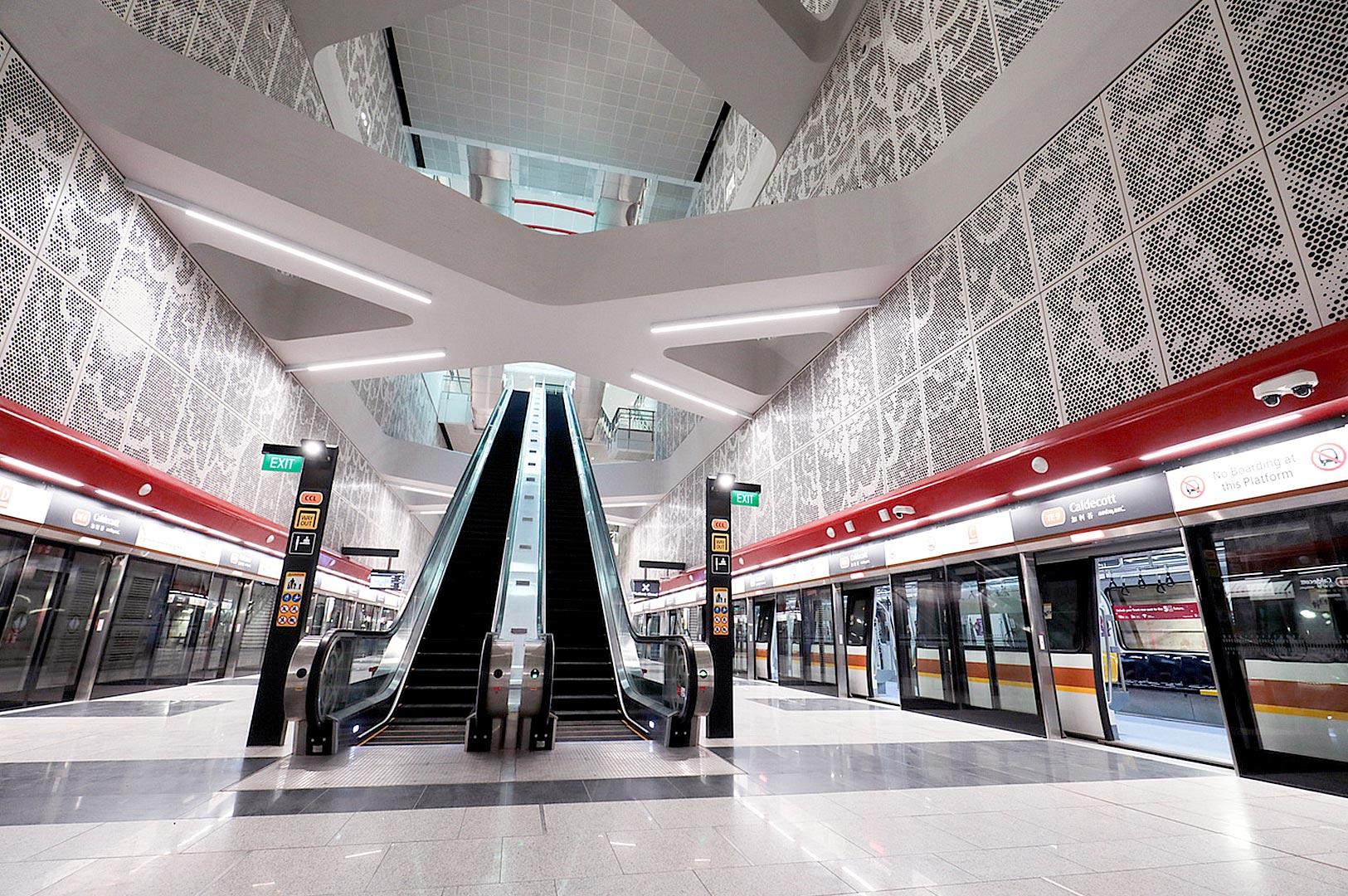
With new lines and stations popping up, especially in areas that were previously only accessible by winding bus routes, the map of “good places to live” is being redrawn. This guide is for every expat staring at that map, trying to figure out how to leverage these changes. I’ll share what I’ve learned about using hotel apartments as a strategic landing pad to master the commute, particularly along the new rail extensions that are reshaping how we move around the island.
The Big Questions: What You’re Probably Wondering About Hotel Apartments in Singapore
Before we dive into strategy, let’s address the common anxieties I hear about navigating the hotel residence singapore experience, especially from expats trying to balance work in the central business district with life in this vibrant city state.
"Which new MRT openings actually matter for my commute in the bustling city centre?"
Not all stations are equal. The real game-changers are the ones that reduce transfers into the city centre and connect lifestyle neighborhoods to the office towers of Marina Bay.
Here’s what matters now:
Thomson-East Coast Line (TEL) Stage 4 (Opened 23 June 2024)
Finally brings direct rail access deep into the East Coast. For those living near Marine Parade or Siglap, commuting into Shenton Way or Marina Bay Sands is now one smooth ride instead of a bus-to-train juggle.Circle Line (CCL) Stage 6 (1H 2026 target)
Closes the loop between HarbourFront and Marina Bay. If your business meetings rotate between Suntec City, Raffles Place, and HarbourFront, this reduces cognitive fatigue in a very real way.TEL Stage 5 & DTL3 Extension (2H 2026 target)
A new interchange at Sungei Bedok will improve cross-island travel, especially helpful if you want faster links toward Changi Airport or eastern residential areas.
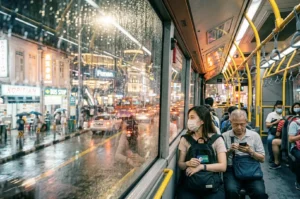
I remember the first year I lived here, calculating commute time purely by minutes. What I didn’t calculate was the “transfer tax”, that small emotional drain when platforms are crowded, the air thick with perfume and humidity, and you’re weaving through commuters in air conditioning that never quite feels strong enough.
"How close is 'close enough' to a station?"
In Singapore, “close” is not about distance. It’s about shelter.
If you cannot walk door-to-platform in under eight minutes without breaking a sweat or getting soaked, it isn’t truly convenient.
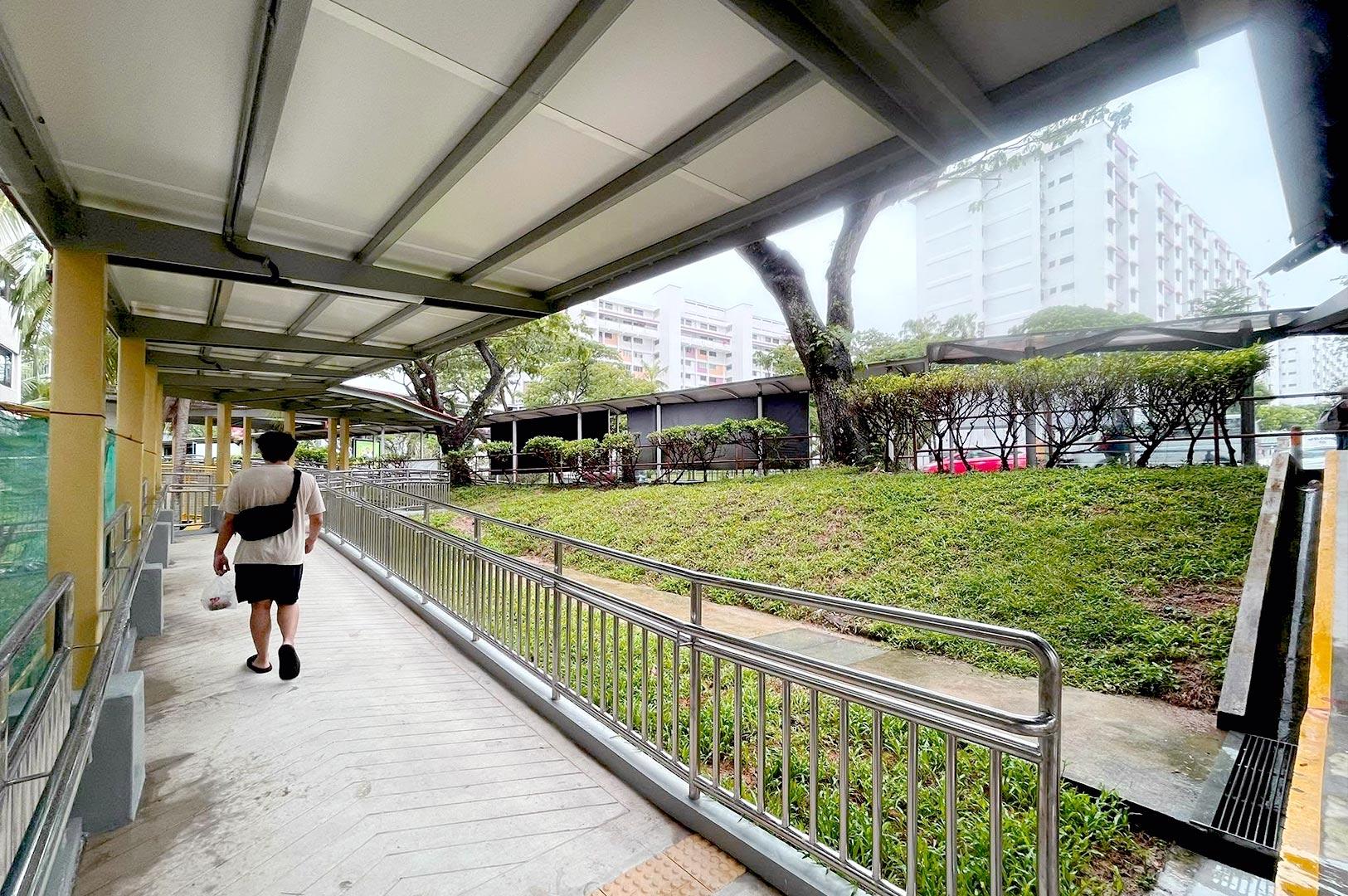
Look for:
Covered walkways
Direct mall connections near shopping malls like Great World Mall, Raffles City, or Bugis Junction
Access near Orchard MRT Station, Somerset MRT Station, or Bencoolen MRT Station
That five-minute unsheltered walk in 33°C heat feels very different when the pavement radiates warmth upward and your shirt clings to your back before 9AM.
"Is a hotel apartment the same as renting a condo or serviced apartments?"
No, and this distinction matters.
A serviced residence (often marketed as serviced apartments) or hotel apartment offers:
Fully furnished studio apartment or two bedroom apartment
Utilities included
Free WiFi
Weekly housekeeping
Front desk support
Often laundry facilities, fitness room, sometimes an outdoor pool or even a rooftop swimming pool
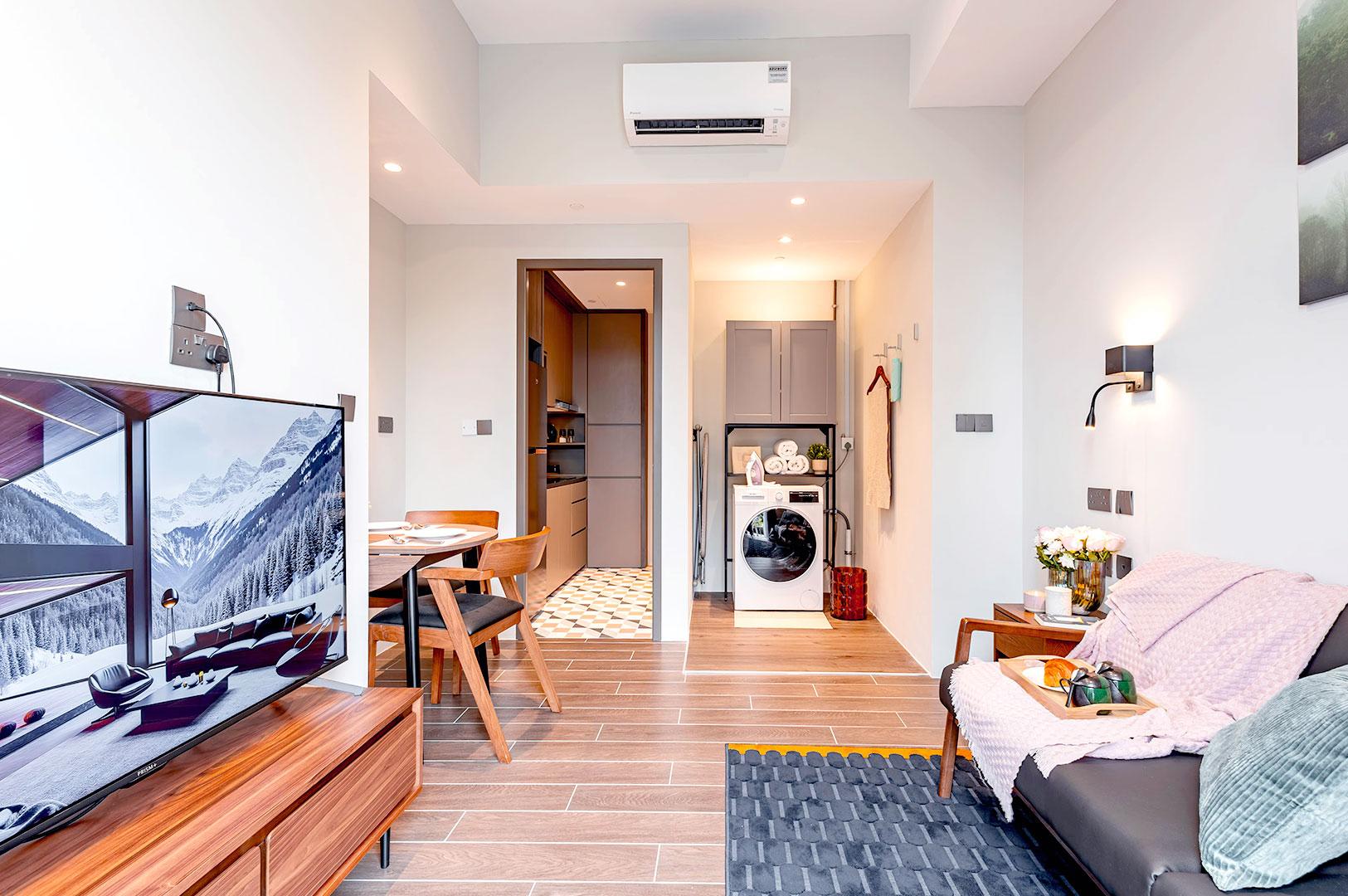
Brands like Pan Pacific Serviced Suites, Oakwood Studios Singapore, Citadines Raffles Place Singapore, Citadines Rochor Singapore, or Pacific Serviced Suites Orchard are designed for a comfortable and convenient stay.
A condo rental? That’s a longer-term lease, deposits, utilities in your name, maintenance coordination.
For newcomers, I gently suggest starting with one of the best serviced apartments for 2–3 months. Choose something conveniently located in a central location, perhaps near Orchard Road, the River Valley district, or even near Little India if you’re curious about the rhythm of the India district.
It gives you breathing room.
A Commute-First Approach to Choosing Apartments in Singapore
Instead of browsing by brand name, whether it’s lyf Farrer Park Singapore or something in apartments Singapore Orchard, reverse engineer from your daily journey.
Step 1: Define Your Commute Pattern
Consider:
Departure time (8AM is very different from 10AM)
Number of transfers
Peak congestion through the bustling hub of Raffles Place
A 35-minute direct train ride is peaceful.
A 35-minute two-transfer ride feels like running errands before you’ve even started work.
Step 2: Find Your “Rail Leverage Points”
Work in the CBD, love the beach?
TEL4 stations allow East Coast living with direct access to the central business district.
Work near HarbourFront or Marina Bay?
The upcoming CCL6 loop will make movement between Marina Bay, HarbourFront, and the city centre seamless.
If your meetings include venues like Marina Bay Sands, this loop will quietly change your daily rhythm.
Step 3: Score Properties by Access Quality, Not Brand
When evaluating hotel apartments in Singapore, assess:
Door-to-platform time
Full shelter coverage
Grocery access (Is Mustafa Center / Mustafa Centre or FairPrice within a sheltered five-minute walk?)
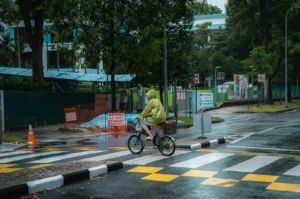
Rain here doesn’t drizzle, it arrives in sheets. I once misjudged this and arrived at a viewing with damp hems and frizzy hair. Since then, “sheltered access” has been non-negotiable.
Pro Tip:
Run a “two-commute test” on Google Maps or Citymapper during 8:30AM and 6:30PM. Peak-hour data is often very different from mid-day searches.
Stories From the Ground: From Apartments Singapore Orchard to East Coast Living
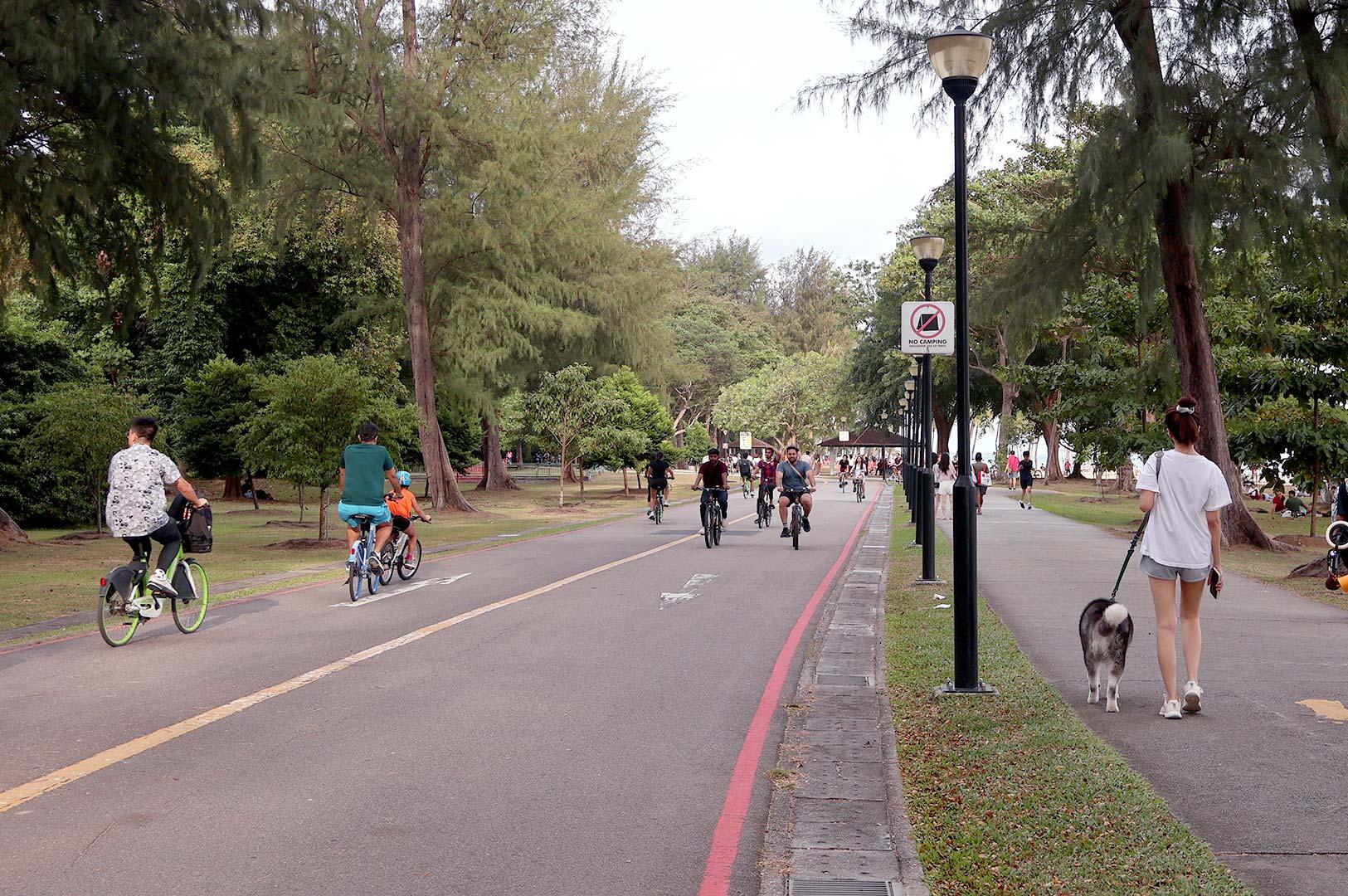
Scenario A: The East Coast Dweller
Profile: Hybrid-working couple in the central business district who want cycling paths, sea breeze, and hawker centres.
Move: A serviced apartment near TEL4 stations.
Why it works:
Office days mean direct train access into the bustling city centre. Work-from-home days mean salty air, laksa with coconut broth that clings rich and creamy to the spoon, and weekends exploring local attractions.
The MRT made lifestyle practical.
Scenario B: The City-Hopper
Profile: Consultant splitting time between Marina Bay Sands, Raffles Place, and HarbourFront.
Move: Planning around CCL6 completion, evaluating options near Keppel or Cantonment.
Why it works:
When the loop closes, movement between these nodes becomes a single-line journey, no frantic transfers before business meetings.
Strategic positioning, not guesswork.
Scenario C: The Orchard-Centric Professional
Some expats still prefer the pulse of Orchard Road, Singapore’s popular shopping district.
Staying in apartments Singapore Orchard, perhaps near Orchard MRT Station or Somerset MRT Station, means:
Immediate access to dining and shopping malls
Close proximity to Singapore Botanic Gardens and the National Orchid Garden
Easy train links to Clarke Quay, Tiong Bahru, and cultural sights like the National Museum
A two bedroom apartment here often offers ample space, sometimes a private balcony, maybe even a swimming pool or rooftop garden.
Yes, the average price is higher. But for some, that central location brings emotional ease.
What I’ve Learned the Hard Way About Serviced Apartments
Best Practices
Use serviced apartments for Phase 1.
2–3 months is ideal for testing neighborhoods, from Holland Village to Bugis Street.Prioritize transfer pain.
Direct routes protect your energy.Check facilities carefully.
Is the fitness room included? Is the outdoor swimming pool maintained? Are laundry facilities complimentary? Is there free parking?
Many premium serviced residences offer modern amenities, sometimes even room service, shared lounge spaces, or an outdoor pool overlooking the skyline.
Red Flags
“5 minutes to MRT!” (unsheltered)
Heavy reliance on “station opening soon”
Vague cost breakdowns (caps on utilities? hidden fees?)
Always confirm:
Does it include free WiFi (sometimes written as “free wi fi” or “free wi” in listings)?
Are air conditioning servicing costs covered?
What’s the full monthly total?
In Singapore’s humidity, functioning air conditioning is not luxury, it’s survival.
What You Might Be Wondering: Living in the City Centre and Beyond
"What if I pick the wrong neighborhood and I’m stuck?"
This is why a serviced residence is powerful. Flexible terms reduce risk. You’re not tied to a 1–2 year lease.
"What about cultural access?"
With the expanded MRT network, you’re never far from:
Sri Mariamman Temple
Little India
Bugis Street
Hawker centres alive with the smoky breath of the wok
Even quick access to Sentosa and Universal Studios Singapore
Living outside traditional expat enclaves doesn’t mean isolation. It often means deeper immersion into local culture and cultural sights.
"How do I avoid noise surprises?"
Ask:
What does the unit face?
Is there construction nearby?
Read reviews mentioning noise specifically.
Visit during peak traffic hours if possible.

Bringing It All Together: Your Commute Is Your Life
Choosing where to live in a new country can be daunting. My best advice: focus on the one thing you’ll do daily, your commute.
By aligning your housing choice with Singapore’s expanding public transport, you’re not just saving travel time; you’re gaining energy and reducing daily hassle. Using a hotel apartment as a strategic tool to explore and learn is the smartest first move you can make.