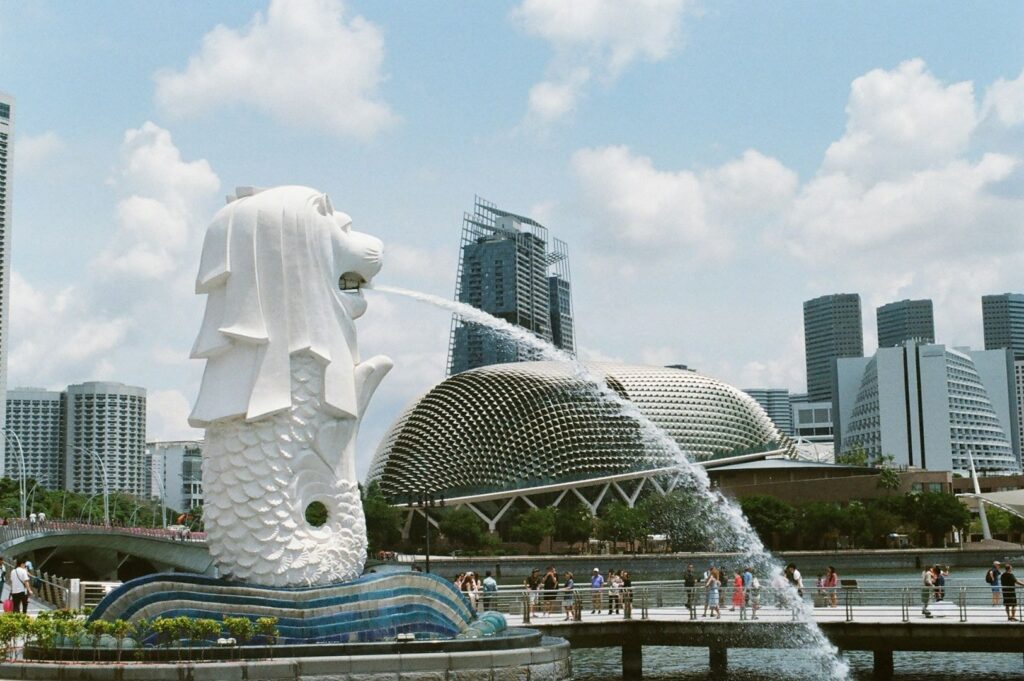
So, you’re thinking about moving to Singapore, a vibrant city state known for its efficient infrastructure and multicultural charm. You’ve seen the stunning pictures of Marina Bay Sands, heard tales of the incredible food, and are drawn to the idea of a safe, dynamic city in the heart of Southeast Asia. But then you hear the whispers: “Singapore is the most expensive city in the world.” Suddenly, the dream feels a little more daunting. Does a high Singapore cost of living mean your life there will be a constant struggle of pinching pennies?
Let’s clear the air. Yes, Singapore is an expensive city, ranking among the most costly in other major cities worldwide, according to studies by the Lee Kuan Yew School of public policy. But it doesn’t have to be overwhelming. The reality is that your monthly expenses in Singapore are incredibly flexible and vary depending on the lifestyle you choose to lead. It’s a city where you can have a Michelin-starred meal for under $10 or spend hundreds on a rooftop dinner. You can live in a luxurious private condo with swimming pools or a simple, comfortable apartment in a friendly neighborhood.
This guide is designed to give you a realistic, on-the-ground look at the overall cost of expat living in Singapore. We’ll break down the major expenses, share some insider tips on how to save money, and show you how to craft a budget that fits your circumstances, whether you are a single expat, part of an expat family, or a single person.
Introduction to Singapore
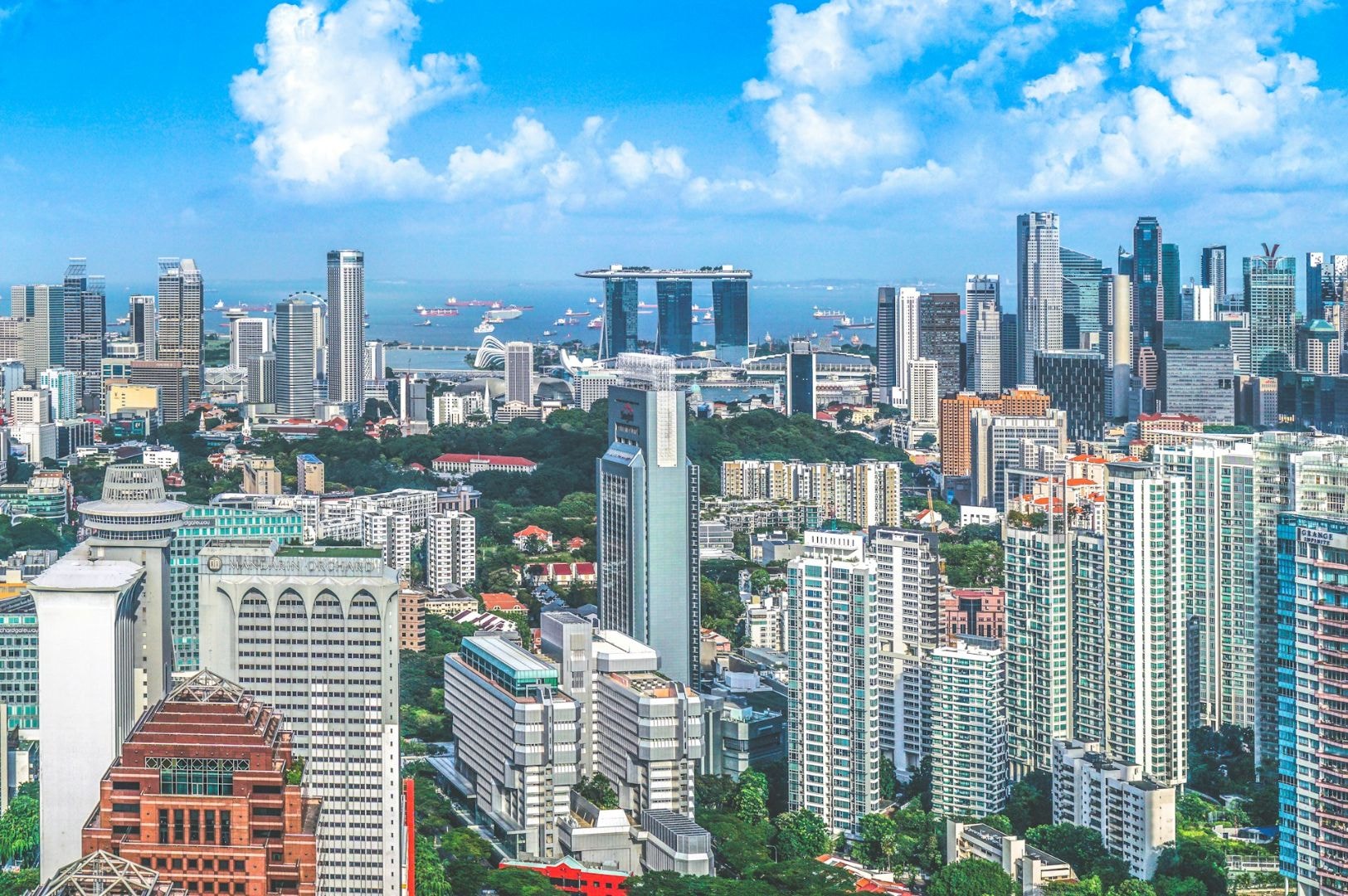
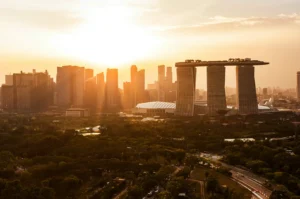
Singapore emerges as a contemplative sanctuary of urban sophistication, where gleaming architectural artistry reaches toward azure skies, and economic refinement creates an atmosphere of curated prosperity. The city’s elegantly orchestrated transportation symphony, featuring the artisanal precision of its extensive MRT network and the quiet reliability of its bus services, which it transforms daily movement into a meditation of accessibility, even as the considerations of refined residences and thoughtfully appointed accommodations require careful contemplation for those choosing to dwell within Singapore’s sophisticated embrace.
Housing Prices and Rental Prices: The Biggest Expense in Singapore Cost of Living
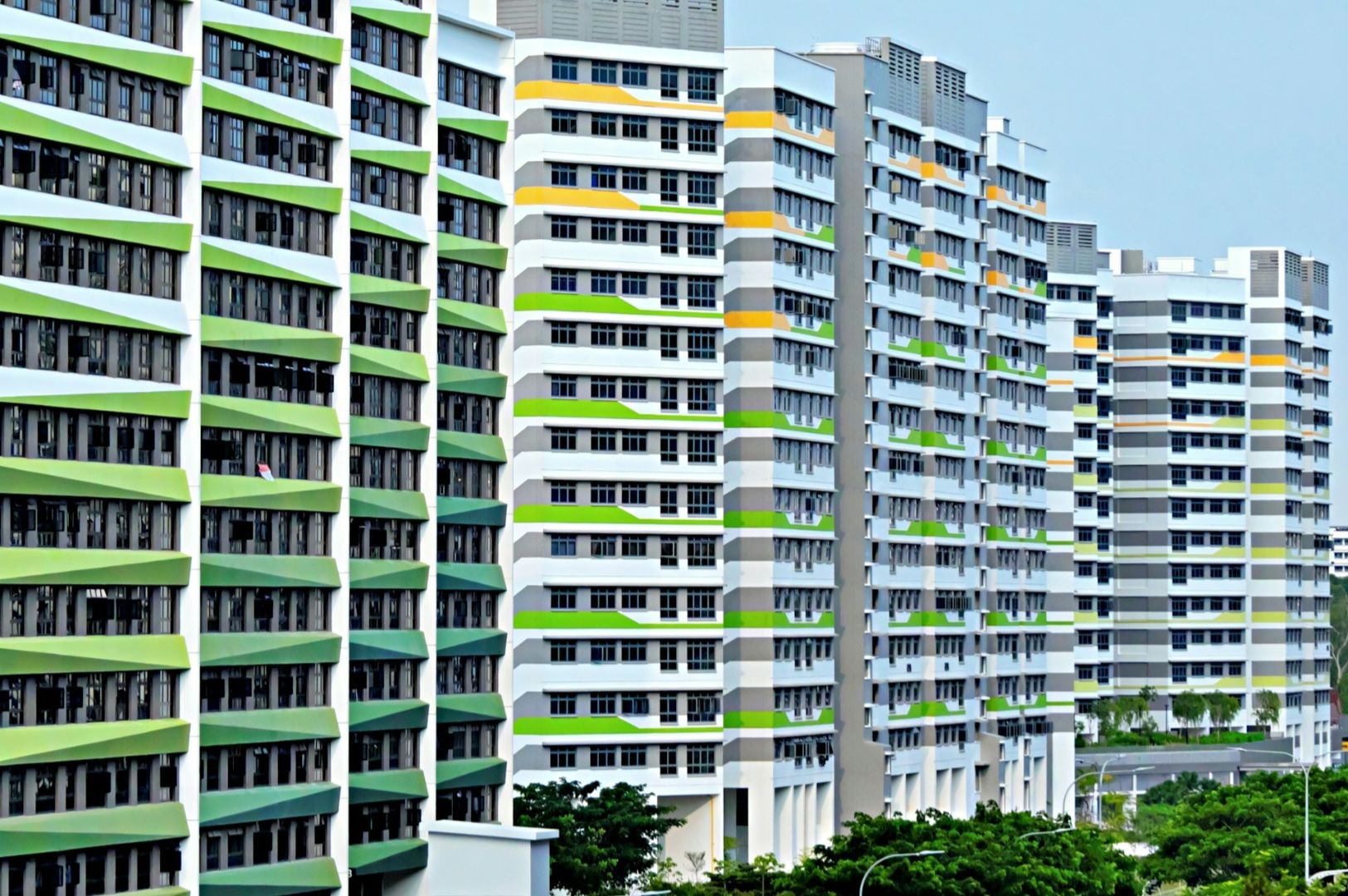
For nearly every expat and permanent resident, housing will be the biggest expense in your monthly budget. It’s important to understand the price of different types of housing in Singapore, including houses, condos, and HDB flats, as this will affect your overall budget. The rental prices and property prices in Singapore are among the highest in Southeast Asia and the world, driven by demand and limited land availability. The costs associated with renting different types of housing, whether you have rented a house, condominium, or HDB flat, can vary significantly depending on location and size. When it comes to homeownership, paying for housing-related expenses such as loan instalments and utility bills is an ongoing commitment that should be factored into your financial planning.
Public Housing vs. Private Condos and Landed Properties
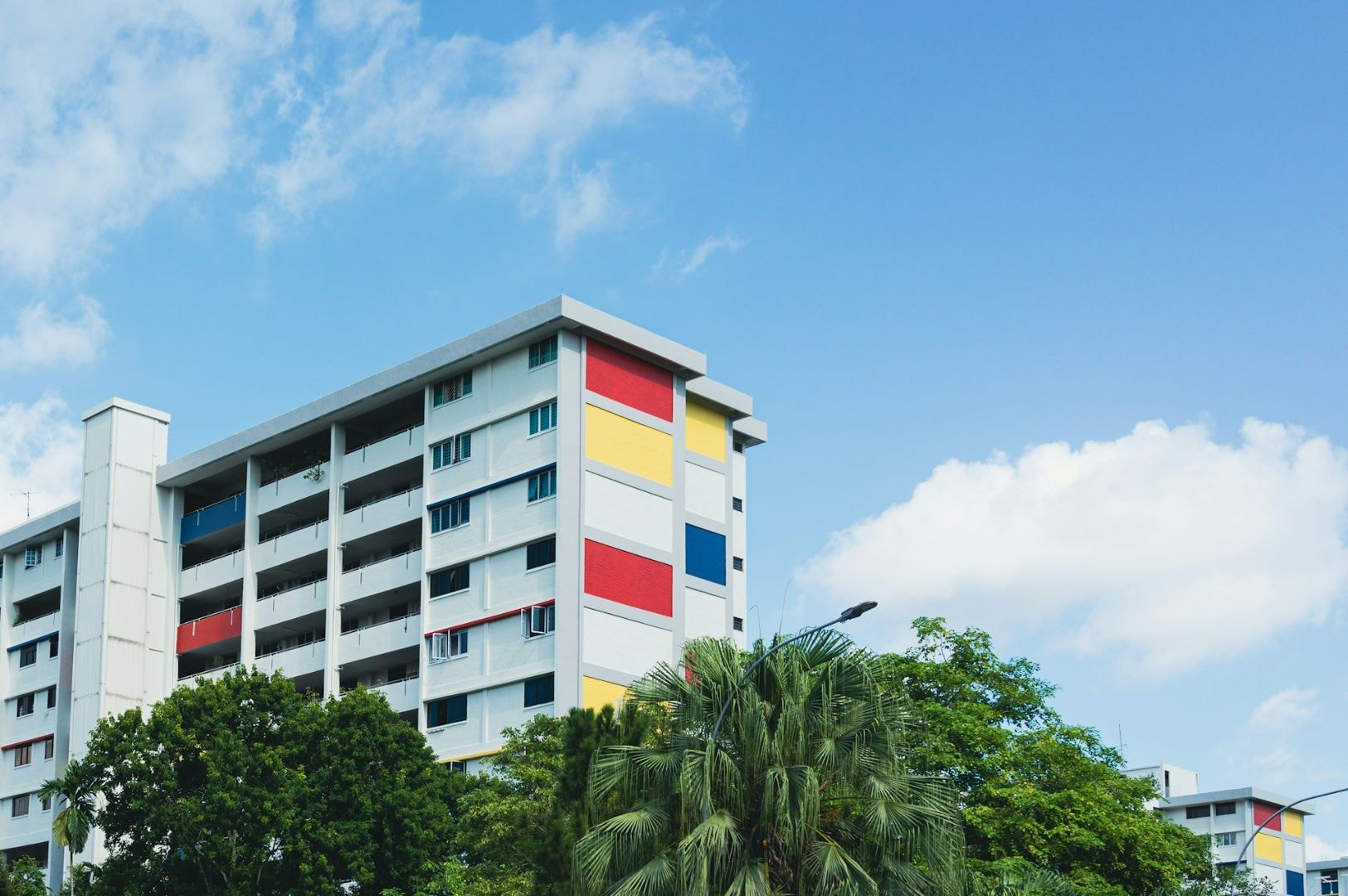
In Singapore, housing options primarily fall into three categories:
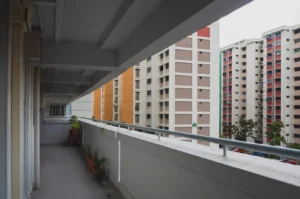
Public Housing (HDB Flats): Developed and managed by the Housing Development Board (HDB), these public housing apartments are home to over 80% of Singapore citizens and permanent residents. They offer affordable options with access to amenities and are located in well-planned estates. As an expat, you can rent an entire HDB flat, but buying is generally restricted.
Private Condos: These private condos come with luxury amenities such as swimming pools, gyms, and 24-hour security. They are popular among expats but come with a higher cost and premium rental prices, especially in prime locations like Orchard or River Valley.
Landed Properties and Semi Detached Houses: These offer more space and privacy but are the most expensive housing option in Singapore, with property prices significantly higher than apartments.
Rental Prices Vary Depending on Location and Type
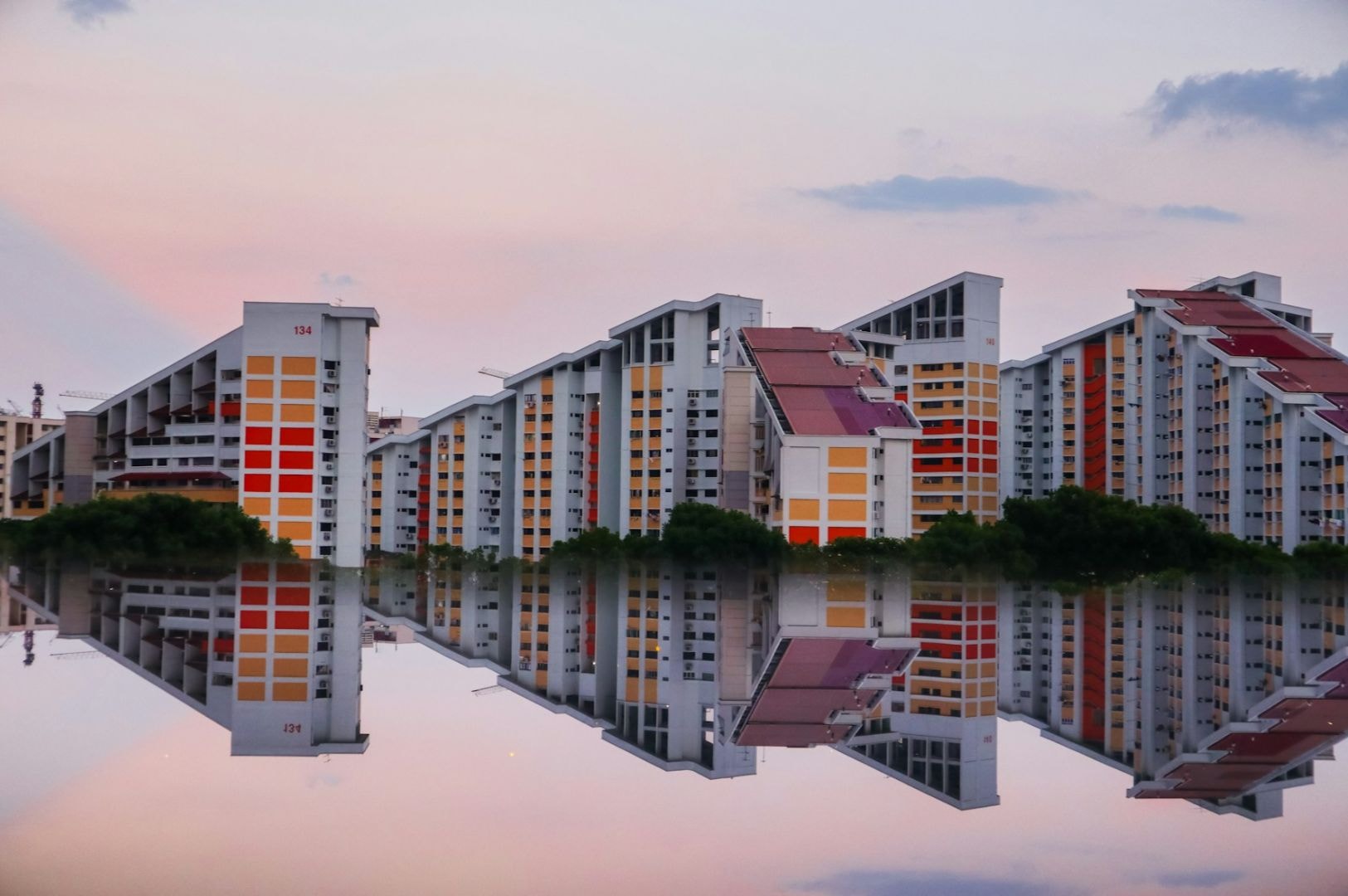
Here’s a general idea of what to expect for average monthly expenses on rent:
Room in a shared HDB or Condo: SGD 800 – SGD 2,000+
3-Bedroom HDB Flat: SGD 3,000 – SGD 4,500+
1-Bedroom Condo: SGD 3,200 – SGD 5,000+
2-Bedroom Condo: SGD 4,500 – SGD 7,000+
3-Bedroom Condo: SGD 6,000 – SGD 10,000+
Loan installments for those purchasing property can be a significant part of your monthly expenses and should be factored in alongside utility bills, road tax (if you own a car), and other recurring costs.
Singapore’s cost of living varies widely by neighborhood and housing type, making location a key factor in your budget.
More Affordable Areas
Neighborhoods farther from the city centre tend to be more affordable. Places like Jurong West, Ang Mo Kio, Sembawang, Yishun, Punggol, and Choa Chu Kang offer lower rental prices and living costs. These areas provide good public transport links, amenities, and schools, with spacious and reasonably priced HDB flats and condos. Living here can reduce your overall monthly expenses, especially rent and groceries.
Expensive Neighborhoods
Prime locations near the city centre and business districts, such as Orchard Road, Marina Bay, Bukit Timah, Sentosa Cove, and River Valley, come with higher costs. Luxury condos and apartments here offer upscale amenities and convenience but at a premium price, often two to three times higher than suburban areas.
Utility Costs: Electricity, Water, and Internet

When cultivating a thoughtful approach to Singapore living, one must consider the delicate balance of utility expenses because it is a contemplative practice that varies with the refinement of your dwelling and the mindfulness of your consumption. Within the serene sanctuary of a typical 4-room HDB flat, monthly utility investments, encompassing the essential elements of electricity, water, gas, and digital connectivity, gracefully range from S$150 to S$300, reflecting the curated harmony of modern living. Households that embrace the cooling embrace of air conditioning, particularly during the island’s more temperate months, may discover elevated electricity costs that speak to comfort’s artisanal price, while those who practice the gentle art of energy and water conservation can achieve a more contemplative economy.
Food and Dining: Balancing Cost of Living with Culinary Delights
Singapore is a food paradise, and your food budget can be tailored to your preferences, helping you manage the high cost of living.
Hawker Centres: Affordable and Authentic
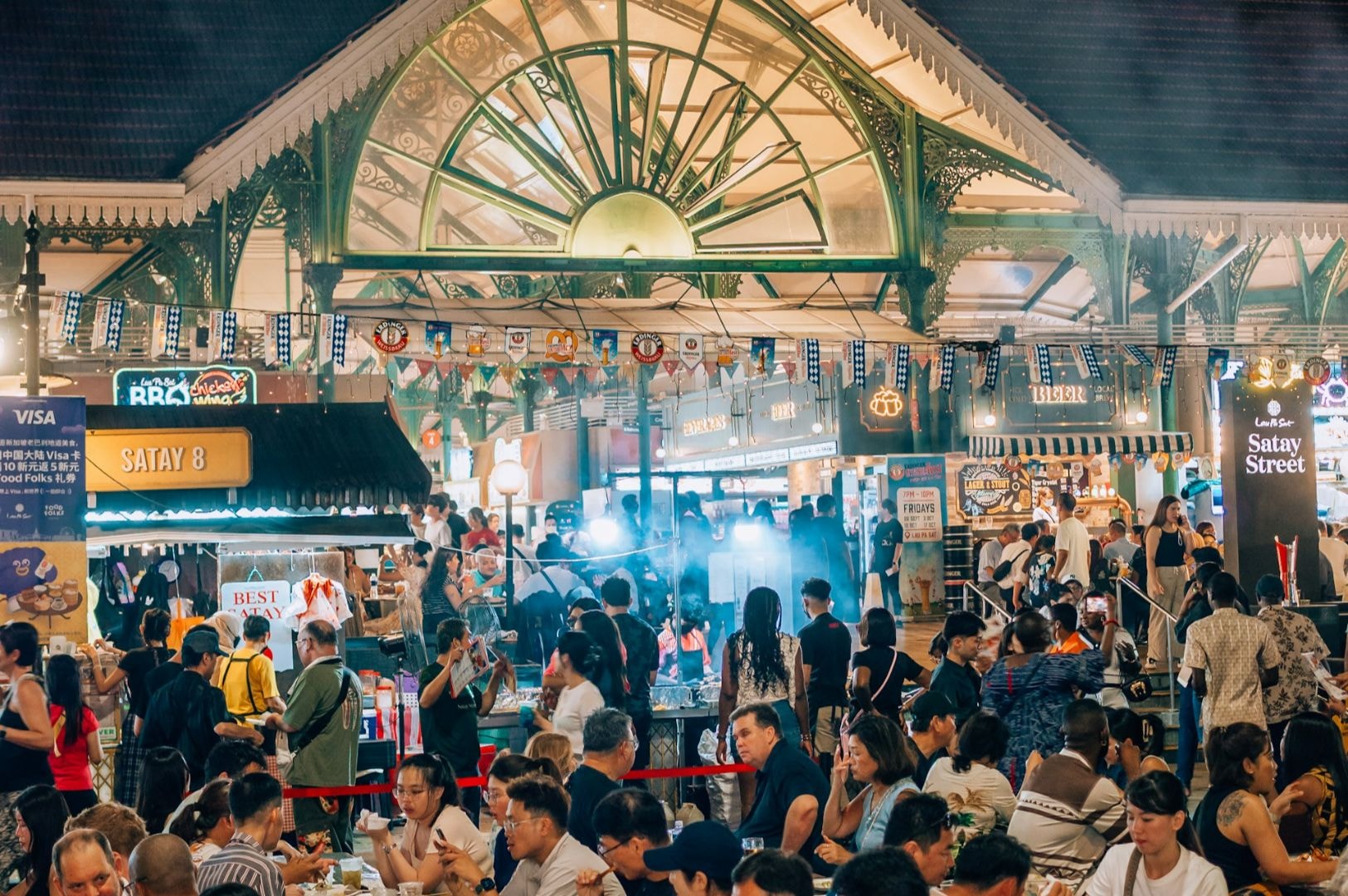
The vibrant hawker centres are a cornerstone of Singaporean culture and an excellent way to enjoy delicious meals without breaking the bank. For SGD 4-8, you can savor local favorites like Chicken Rice or Laksa. Eating mostly at hawker centres can keep your average monthly expenses for food under SGD 500.
Groceries and Cooking at Home
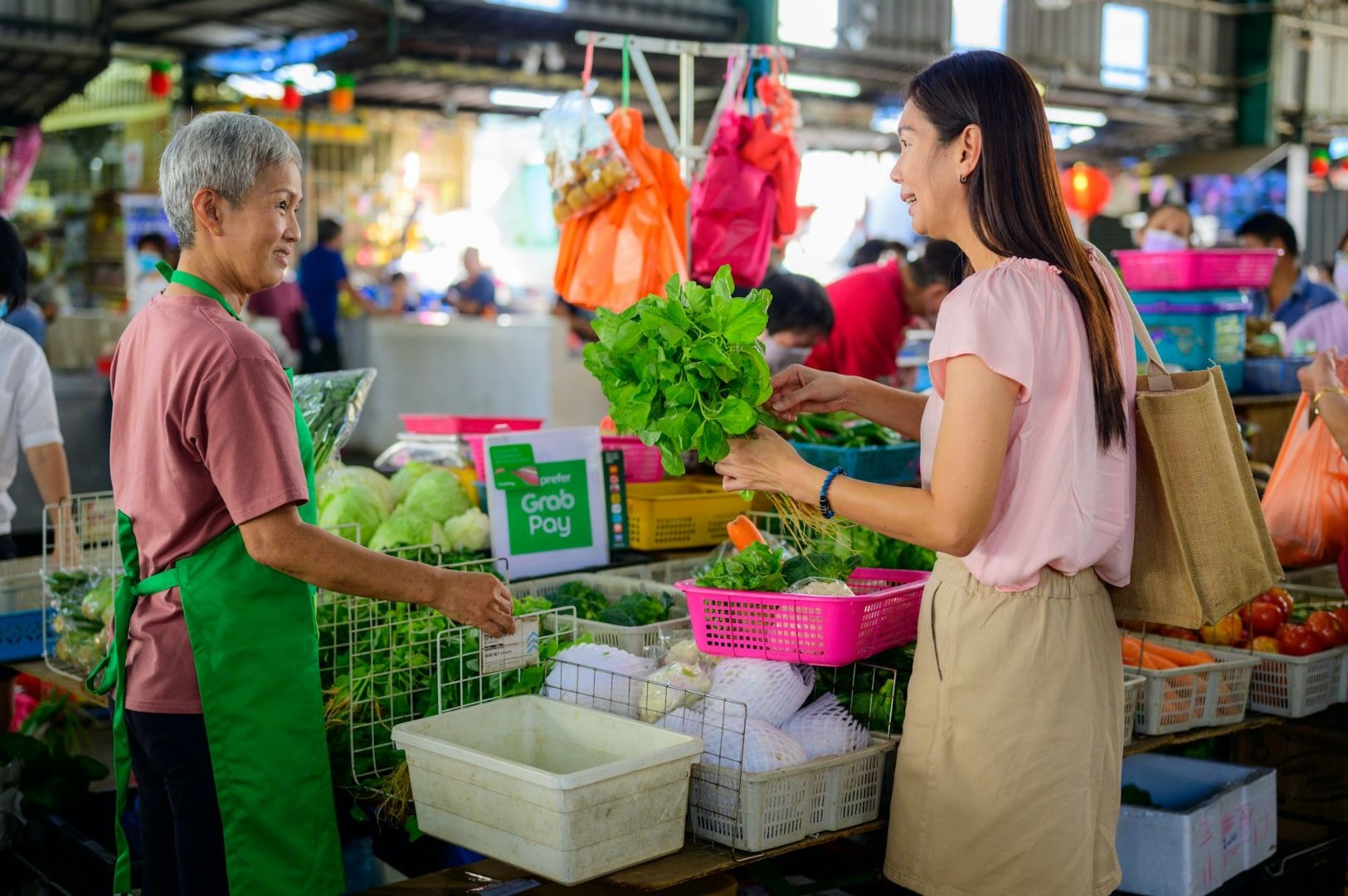
Shopping at local supermarkets such as Cold Storage or FairPrice offers a range of products. Budget supermarkets like Sheng Siong and neighborhood wet markets provide more affordable options. Your grocery bill can range from SGD 80 to SGD 150+ weekly, depending on your choices.
Dining Out and Nightlife
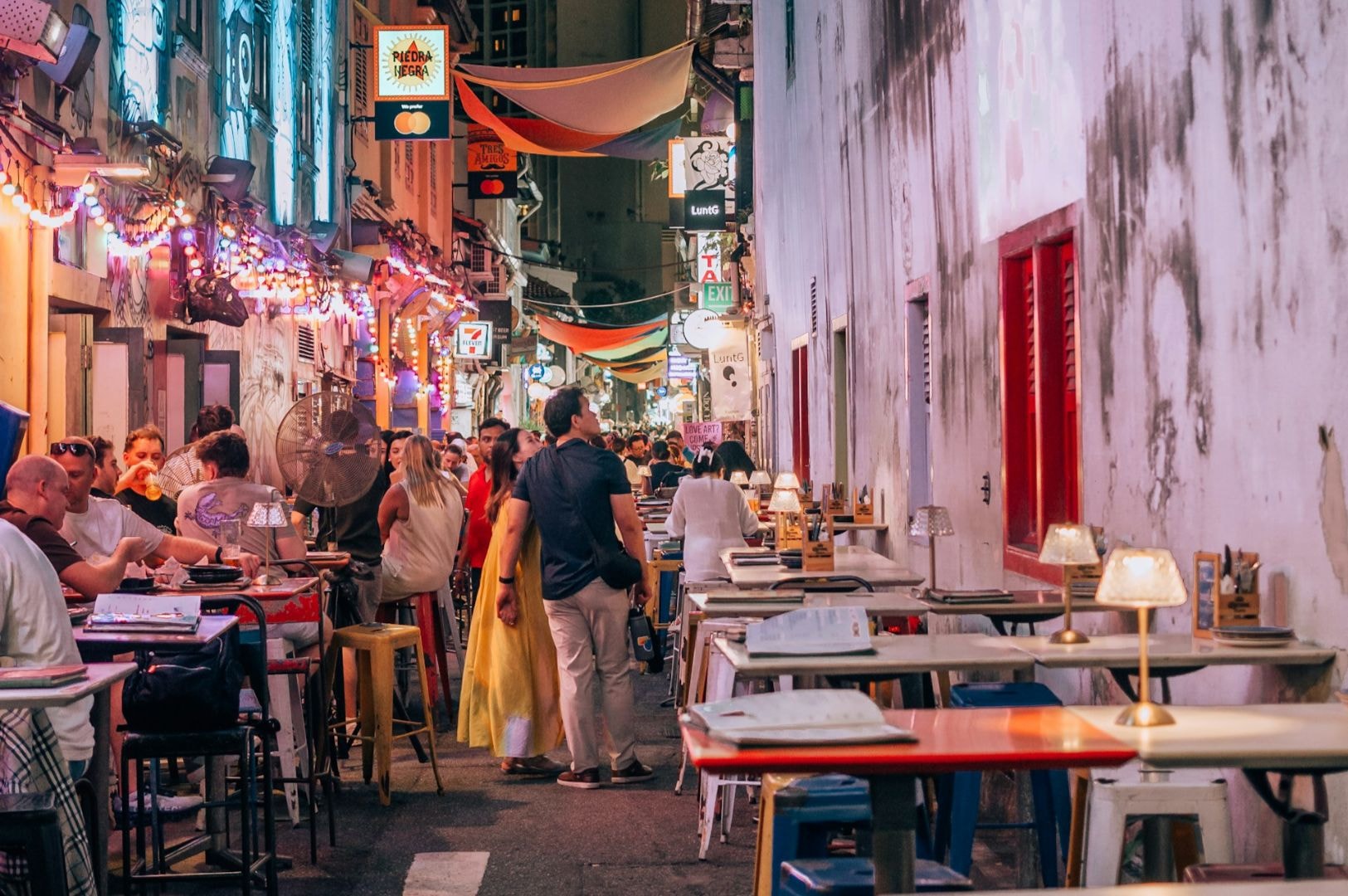
Mid-range restaurant meals typically cost SGD 25-50 per person. A coffee at a cafe is around SGD 6-8, and cocktails at bars can be SGD 20-25. Balancing dining out with home cooking and hawker meals helps control your monthly expenses.
Transportation: Efficient Public Transport and Its Impact on Cost of Living
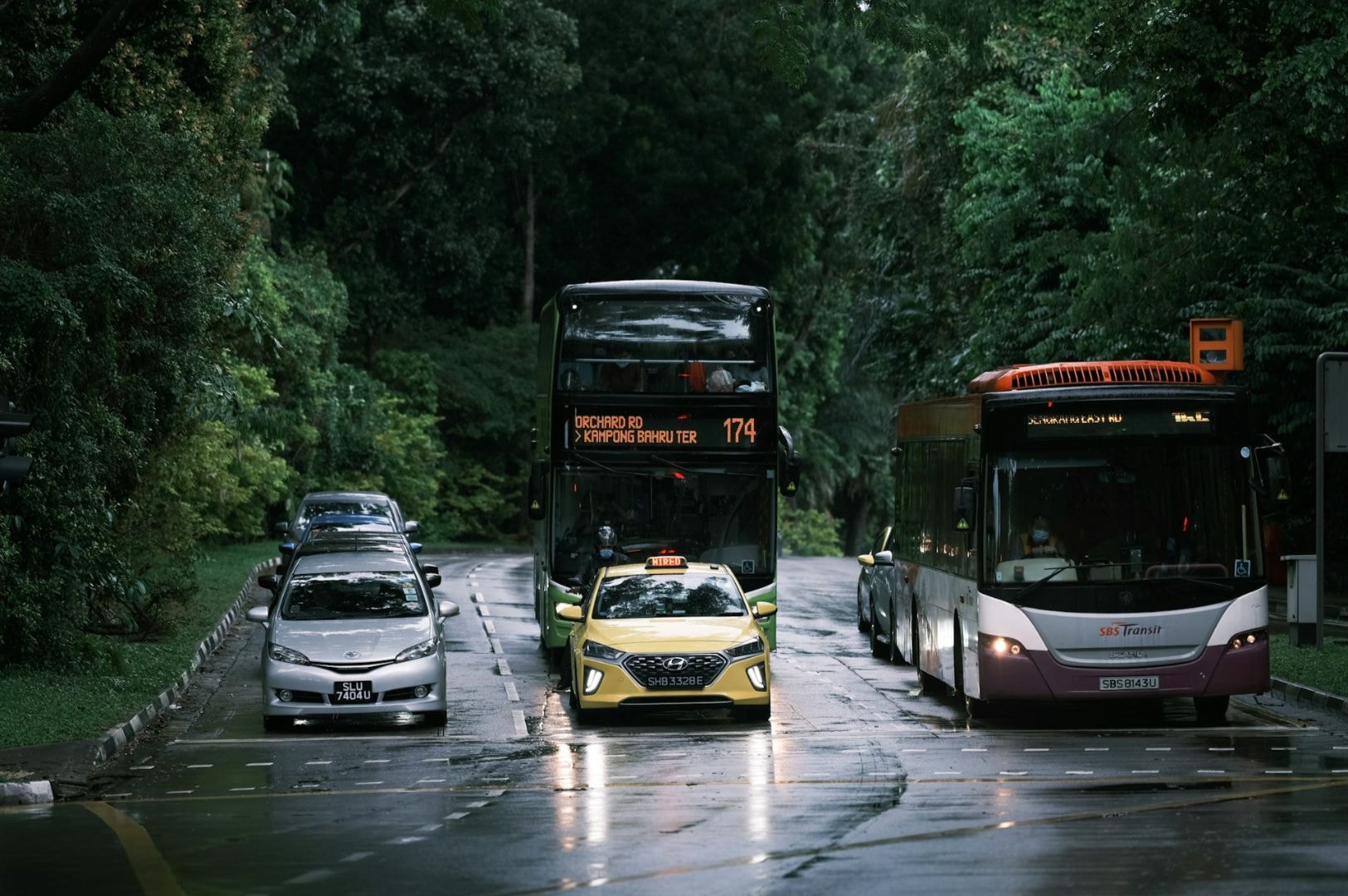
Singapore boasts a world-class mass rapid transit system (MRT network) and extensive public transport options that are affordable and convenient.
Public Transport: A single journey on the MRT or bus usually costs between SGD 1-2.50. Monthly commuting costs typically range from SGD 100-150.
Taxis and Ride-Hailing: Services like Grab or Gojek offer convenience but at a higher cost. Expect to pay SGD 12-25 for a 15-20 minute ride.
Owning a Car: Due to the high Certificate of Entitlement (COE) prices, road tax, insurance, and fuel, owning a car is a luxury for most. Monthly car-related expenses can exceed SGD 2,000.
When planning your travel, it’s important to consider the costing of different transportation methods, whether it be public transport, ride-hailing, or car ownership, to compare overall expenses and choose the most suitable option.
Using public transportation is both cost-effective and environmentally friendly, helping you save money.
Healthcare and Health Insurance: Essential for Expats

While Singapore citizens and permanent residents benefit from subsidized healthcare and schemes like Medishield Life, non residents and expats must secure health insurance to cover medical costs.
Typical costs without insurance include:
GP consultations at private clinics: SGD 40-80
Specialist consultations: SGD 150-250+
Many employers offer health insurance as part of their benefits, but private insurance premiums can range from SGD 150 to over SGD 400 monthly.
Education System and Costs for Expat Families

Education is a major consideration for expat families. Singapore’s education system is highly regarded, with options including public schools, private schools, and international schools.
International Schools: The high cost of international school fees in Singapore is a significant factor for expatriate families, as these schools cater to international students and expat families, offering various curricula. Expect fees from SGD 25,000 to over SGD 50,000 per child annually.
Public Schools: Primarily for Singapore citizens and permanent residents, public schools are more affordable but may not suit expat families seeking continuity with home-country curricula.
Extracurricular Activities and school-related expenses add to the overall cost of living.
Monthly Expenses Summary: What to Expect in Singapore’s Cost of Living
Here’s a sample breakdown of average monthly expenses for a single expat living comfortably:
Expense Category | Estimated Monthly Cost (SGD) |
|---|---|
Rent (1-bedroom condo) | SGD 3,800 |
Utilities, Internet & Mobile | SGD 200 |
Food (Mix of hawker, cooking, & dining out) | SGD 700 |
Transportation (Public transport) | SGD 120 |
Healthcare (Insurance) | SGD 200 |
Entertainment & Lifestyle | SGD 500 |
Total Estimated Monthly Cost | SGD 5,520 |
Note that the Goods and Services Tax (GST) applies to most goods and services in Singapore, so it should be considered when budgeting for your monthly expenses.
Your household income and take home pay will determine how comfortably you can cover these monthly expenses. Singapore’s tax rates are relatively low compared to other countries, with a progressive system topping out at 22% for residents.
The High Cost of Living in Singapore: Is It Worth It?
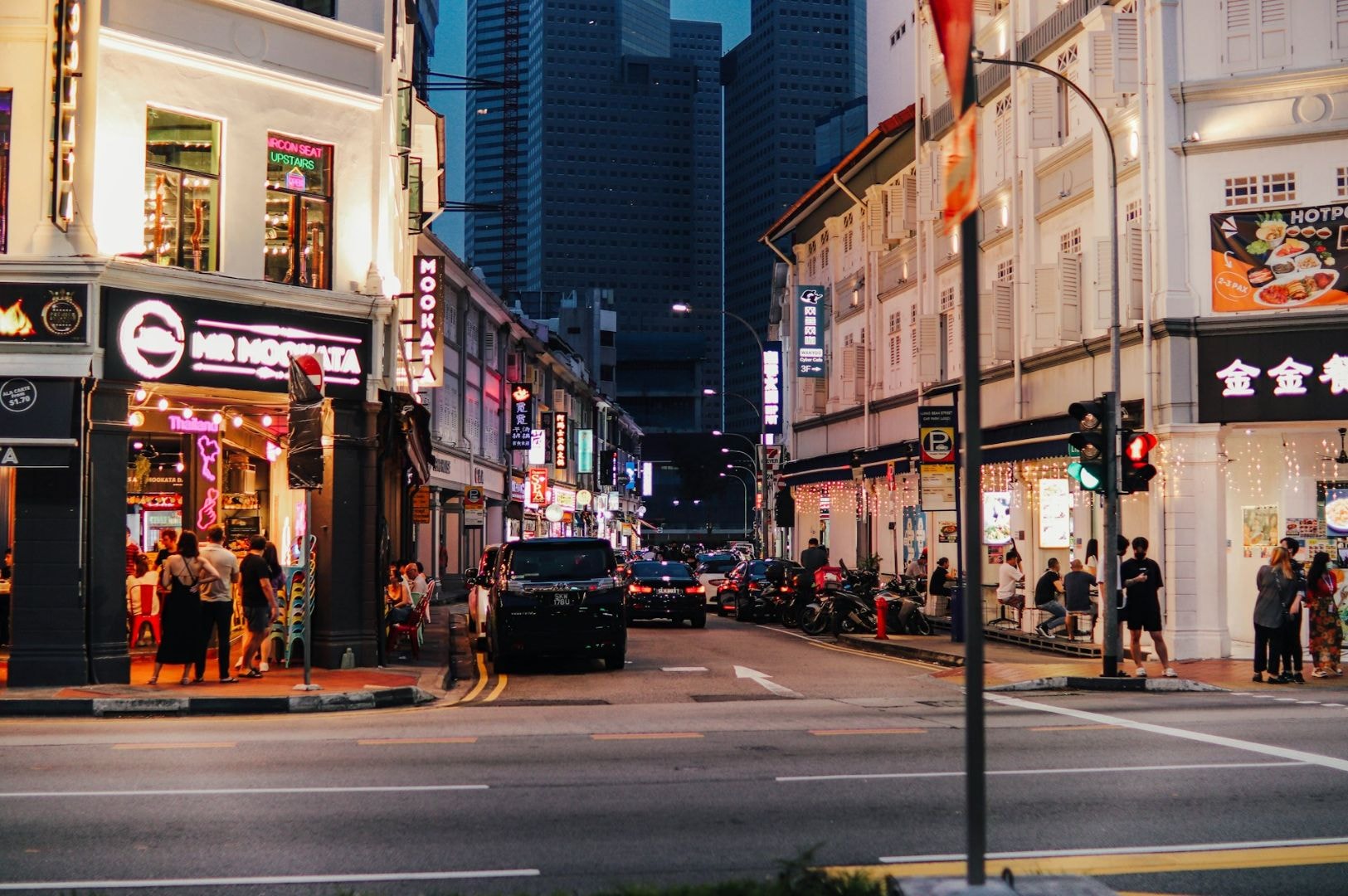
Singapore’s cost of living is undeniably high, but it reflects the city’s world-class infrastructure, safety, cleanliness, and opportunities. Compared to other major cities, Singapore offers excellent quality of life, efficient public transportation, and a strong economy.
If you have a good salary or a stable job offer, and manage your budget wisely, you can enjoy the benefits of this thriving city state without constant financial stress.
Conclusion: Living in Singapore with Enough Money and Smart Choices
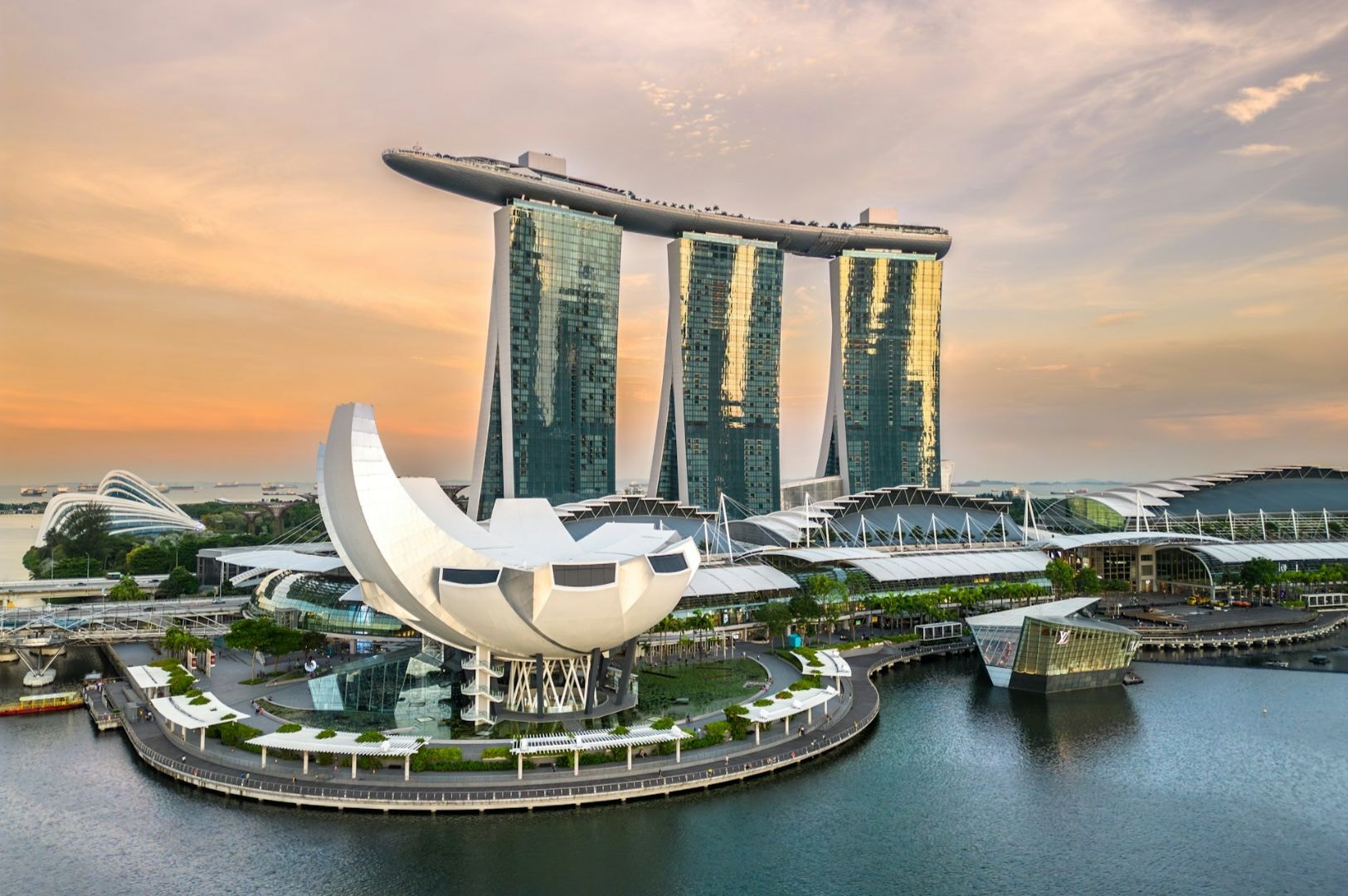
The Expat life in Singapore is an investment in a unique lifestyle. By understanding the nuances of housing prices, public housing options, health insurance, education system costs, and transportation, you can tailor your budget to your needs.
With strategic choices, from opting for an HDB flat over a private condo, using the mass rapid transit system, to balancing dining options, you can save money and thrive in one of the most expensive cities in the world.
Ready to make the move? Plan carefully, budget realistically, and embrace the vibrant life that Singapore offers. Your adventure in this remarkable city is just beginning.