At the Counter, Without Overthinking It: An Expat’s Introduction to Omakase Singapore
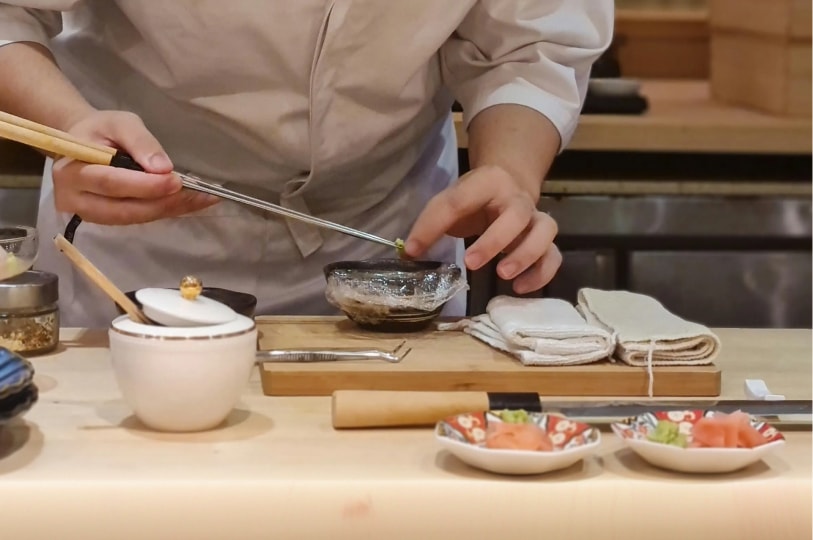
The first time I heard the term “omakase singapore,” it was spoken with reverence, like a secret culinary society reserved for devoted food lovers. Omakase dining is a quintessential expat rite of passage in this city, a sophisticated world of pristine sushi counters, silent chefs, and an unwritten code of conduct.
To entrust your entire meal to a chef, with no menu and no control, requires a leap of faith. But it’s a leap that promises a uniquely rewarding experience, a culinary dialogue between you, the chef, and the season’s freshest ingredients. If you’ve been curious but hesitant about trying an omakase restaurant, wondering what all the fuss is about, you’re in the right place. This guide is your friend at the counter, here to demystify the process, share insider tips, and help you embark on your own omakase journey with confidence and excitement.
What Is Japanese Omakase and Why It’s So Popular in Singapore
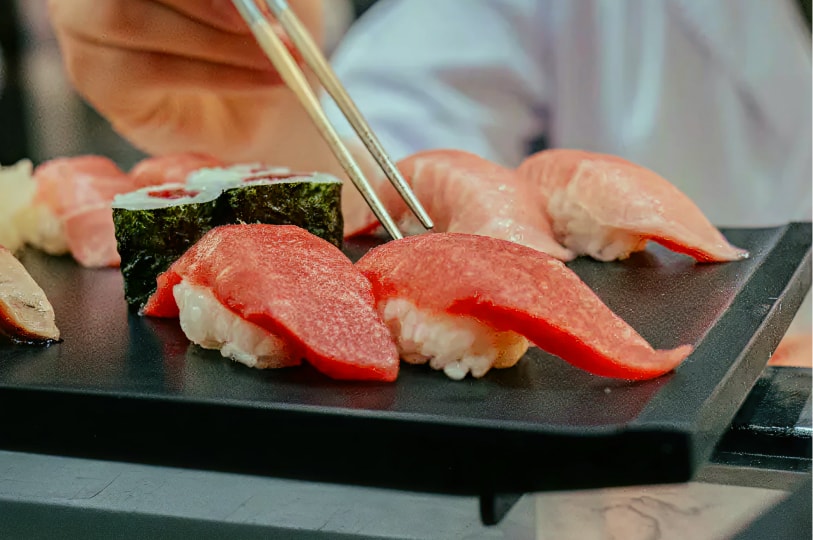
At its heart, “omakase” means “I’ll leave it up to you.” It’s a dining experience where you hand over decision-making to the chef, who then prepares a multi-course meal based on the finest and freshest seasonal produce available that day. This isn’t just food; it’s a philosophy rooted in trust, respect, and seasonality. The chef curates a narrative through a series of omakase courses, each designed to build upon the last and create a progression of flavors and textures.
Singapore’s status as a global hub for omakase singapore is no accident. The city’s strategic location, obsession with quality, and affluent, well-traveled population create the perfect environment. Ingredients air flown daily from Japan’s famous Toyosu Market mean that premium seafood and seasonal fish arrive with remarkable freshness. This access to the finest ingredients, combined with a clientele that appreciates culinary artistry, has attracted some of Japan’s most talented chefs to open their singapore outpost here.
What Expats Should Expect from an Omakase Experience
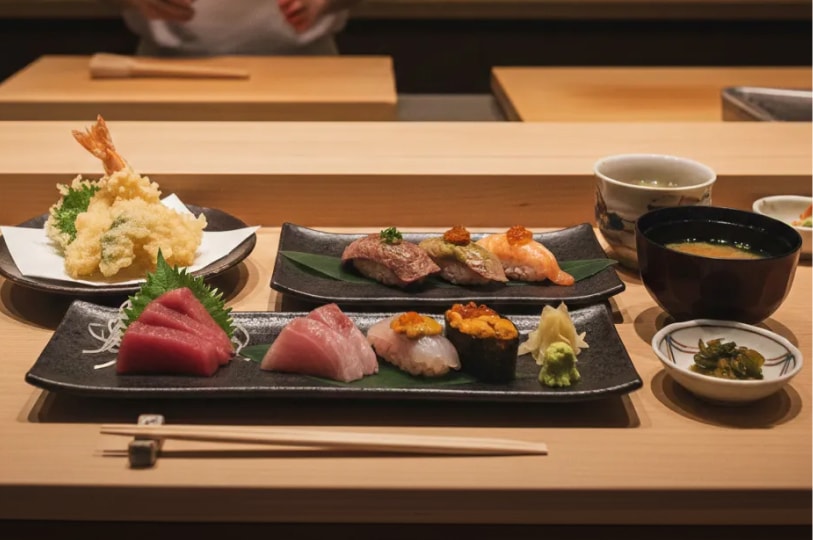
Walking into an omakase restaurant for the first time is a sensory experience. The scent of vinegared rice, hinoki wood, and fresh seafood center stage, the soft lighting, and the focused calm of the chef behind the sushi counter all set the stage for what’s to come. In some omakase restaurants, signature dishes like tempura take centre stage, offering a different but equally refined experience.
An omakase meal is a marathon, not a sprint. Expect a series of small, exquisite dishes, paced thoughtfully to allow you to savor each one. The meal often begins with lighter appetisers (zensai), moves into a sequence of pristine sashimi and nigiri sushi, and might include hot dishes, miso soup, and finally dessert. It’s a journey showcasing the peak of seasonal ingredients and premium seafood.
Pricing can feel opaque, but it directly reflects the quality of the ingredients, the chef’s skill, and the restaurant’s sourcing. The cost covers not just rare cuts like sea urchin flown in from Japan but also the years of training required to master the art.
Common First-Time Omakase Etiquette
The formality of an omakase counter can feel daunting, but the rules are simpler than you might think and are based on respect for the chef, the ingredients, and fellow diners.
Dress Code: Smart casual is ideal. Avoid shorts, slippers, and overly casual attire. Dress to show respect for the occasion.
At the Counter: Avoid strong perfumes or colognes, as they interfere with the delicate aromas of the food. When a piece of nigiri sushi is served, eat it immediately to enjoy it at the perfect temperature and texture.
Phone and Photography: Quick, discreet photos without flash are usually fine, but avoid lengthy photoshoots. Keep your phone on silent and off the counter to stay present in the dining experience.
Price Ranges and How to Choose Affordable Omakase Experiences
Singapore’s omakase scene caters to a wide spectrum of budgets and dining preferences. Understanding the tiers helps you find the right fit for your special occasion or date night.
Entry-Level (Under $100): Affordable omakase experiences perfect for first-timers. These offer a taste of the omakase format with high-quality ingredients but fewer rare or premium items. Found often in casual japanese restaurants like ryo sushi or ganko sushi.
Mid-Range ($150 – $300): The sweet spot for many diners, with omakase menus ranging in premium cuts, intricate dishes, and refined settings. Expect signature dishes featuring seasonal fish, sea urchin, and cooked dishes. Sushi masa by chef masa is a standout in this range, offering exquisite dinner omakase menus.
Ultra-Luxury ($300+): World-class dining with rare seasonal ingredients, Michelin-starred chefs, and flawless service in exclusive settings. Perfect for celebrations or a memorable meal.
Many omakase restaurants in Singapore offer lunch menus that are more affordable than their dinner counterparts.
A great way to dip your toes in is by trying a lunch omakase menu. Many top-tier restaurants offer shorter, more affordable versions of their dinner omakase menu for lunch, providing incredible value and a less time-intensive introduction to their style. When planning your omakase singapore experience, be sure to check the restaurant’s opening hours to ensure availability for your preferred lunch or dinner slot.
Best Omakase Restaurant Options in Singapore for Expats
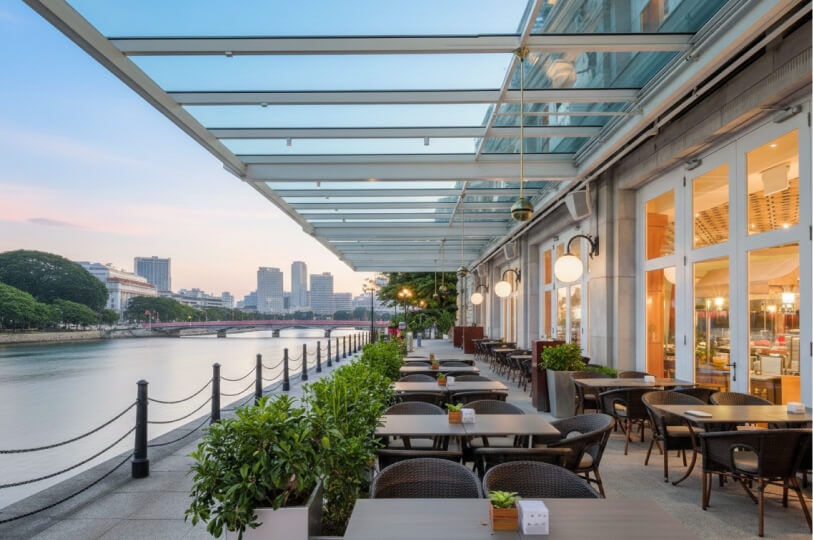
Here’s a curated selection of omakase restaurants that promise a wonderful experience, especially for those new to the scene.
Sushi Masa by Ki-setsu (Cuppage Plaza): An intimate 8-seater restaurant located on the 6th floor of Cuppage Plaza, where Chef Masa crafts omakase courses featuring premium seafood flown in daily from Toyosu Market. Their dinner omakase menu is priced at $230+ or $320+ and consists of more than 16 seasonal courses, showcasing signature dishes including sushi courses, hot dishes, and sea urchin delicacies. Reservations are essential.
Ganko Sushi (Singapore Outpost): Known for affordable omakase experiences with lunch and dinner options, featuring a Chef’s Value Omakase Menu at $98++ for a 10-piece sushi platter. Highlights include fresh seasonal fish and sushi omakase courses.
Moss Cross Tokyo (Fraser China Square): A new concept blending modern flair with traditional Japanese cuisine. Offers omakase sets perfect for date night, with seasonal produce and premium seafood. Located near Tanjong Pagar, a vibrant dining district renowned as a hub for Japanese cuisine and beef experiences.
Ki Sho: A kappo-style Japanese restaurant offering omakase menus ranging from $160 to $360. Known for a good balance of cooked dishes, sashimi, and nigiri sushi.
Sushi Yujo: Led by Chef Desmond Fong, this restaurant offers modern omakase menus with lunch courses ranging from $68 to $198 and dinner options from $148 to $348, featuring seasonal ingredients and a curated sake menu.
Sushi Jin: A respected name in the omakase scene, offering refined Japanese omakase experiences with a focus on seasonal fish and premium seafood.
How to Book and Plan Your Omakase Night
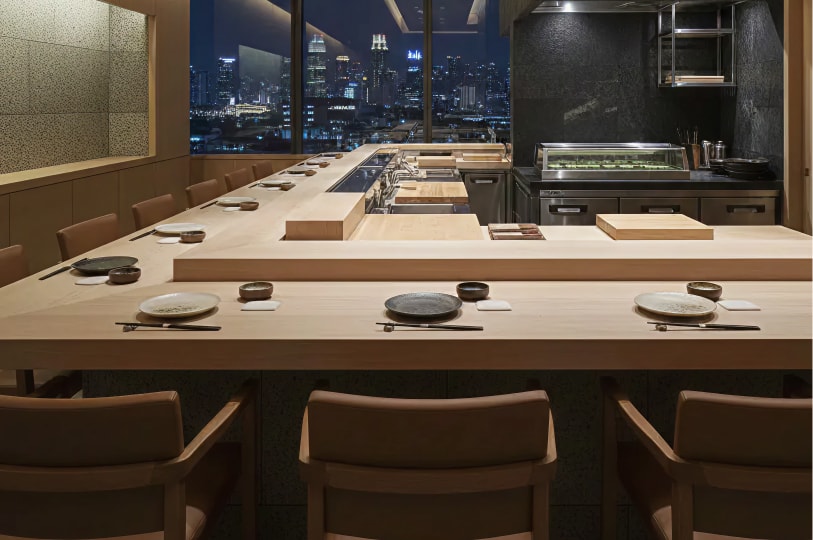
Due to limited seating at most omakase restaurants, booking well in advance is essential, often weeks or months ahead.
Reservations: Most restaurants accept bookings online via their website or third-party platforms. Mention any dietary restrictions or allergies when booking.
Cancellation Policies: Strict policies are common due to the nature of sourcing fresh ingredients for a specific number of guests. Read terms carefully.
Best Time for Newcomers: Weekday lunch or early dinner seatings can be less hectic and allow more interaction with the chef, ideal for first-timers.
For a deeper dive into the best omakase experiences in Singapore, check out the comprehensive guide of Rubbish Eat Rubbish Grow, a Non-Influencer’s Guide to the Best Singapore Omakase.
Conclusion
Omakase singapore is more than a meal; it’s a cultural immersion. It’s an invitation to be curious, to trust, and to be delighted. In a city like Singapore, which offers the best of the world on a plate, embracing the omakase experience feels like a fitting tribute to the city’s culinary spirit. So, take the leap. Step out of your comfort zone and into the serene world of the sushi counter. Choose a place that feels right, go with an open mind, and let the chef tell you a story. You might just find it’s one of the most memorable dining experiences you’ll have in the Lion City.
For those looking to explore more of Singapore’s vibrant culinary scene beyond omakase, check out our article: Must-Try Singapore Food: A Guide for Expats.