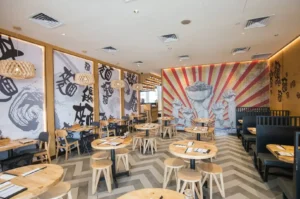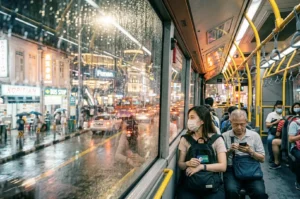
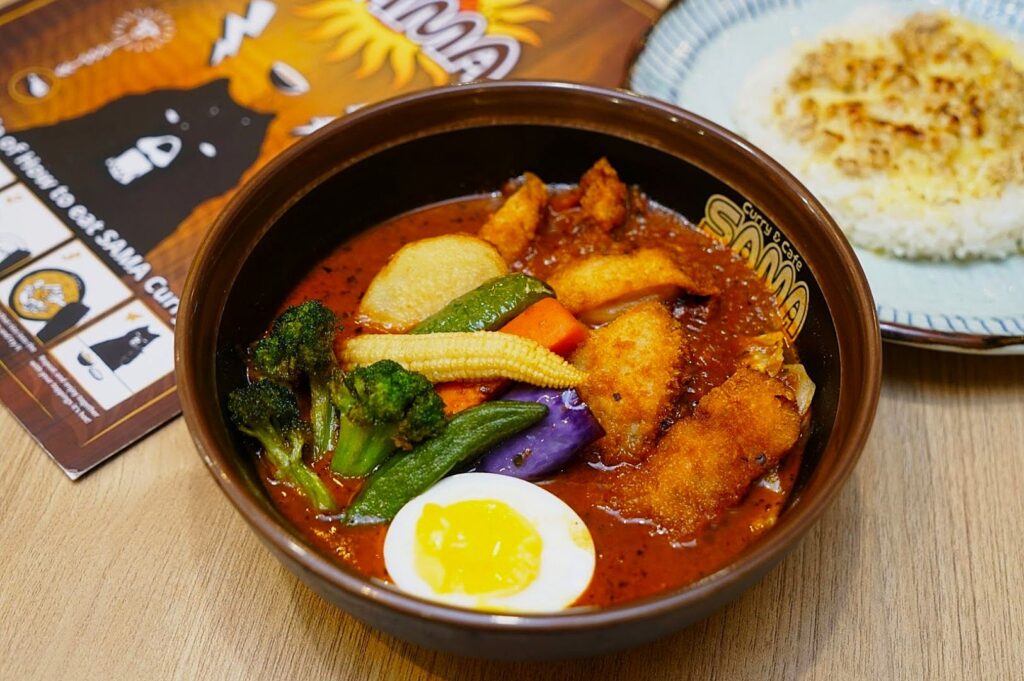
The rain in Singapore falls with a certain tropical intensity, a sudden drumming against windows, the humid air briefly cooled by the storm. On one such afternoon, sheltering from the downpour inside a quiet Japanese eatery, the first thing that arrived was the aroma: toasted curry powder, earthy garam masala, the sharp warmth of freshly cracked black pepper rising from a simmering broth. Then came the bowl itself.
It was Hokkaido soup curry, and it felt less like restaurant food and more like emotional shelter.
For many people living abroad, comfort rarely arrives in dramatic ways. Sometimes it appears quietly, through familiar warmth, spice, or ritual. Within Singapore’s fast-moving rhythm, Hokkaido soup curry has become one of those meals that offers not just nourishment, but pause, a deeply comforting Japanese-style dish that resonates strongly with expats searching for moments of grounding. This comforting experience is often enjoyed in cozy izakaya in Singapore settings, where the warm atmosphere complements the soul-soothing nature of the dish.
What Is Hokkaido Soup Curry? A Signature Soup Curry from the Capital City
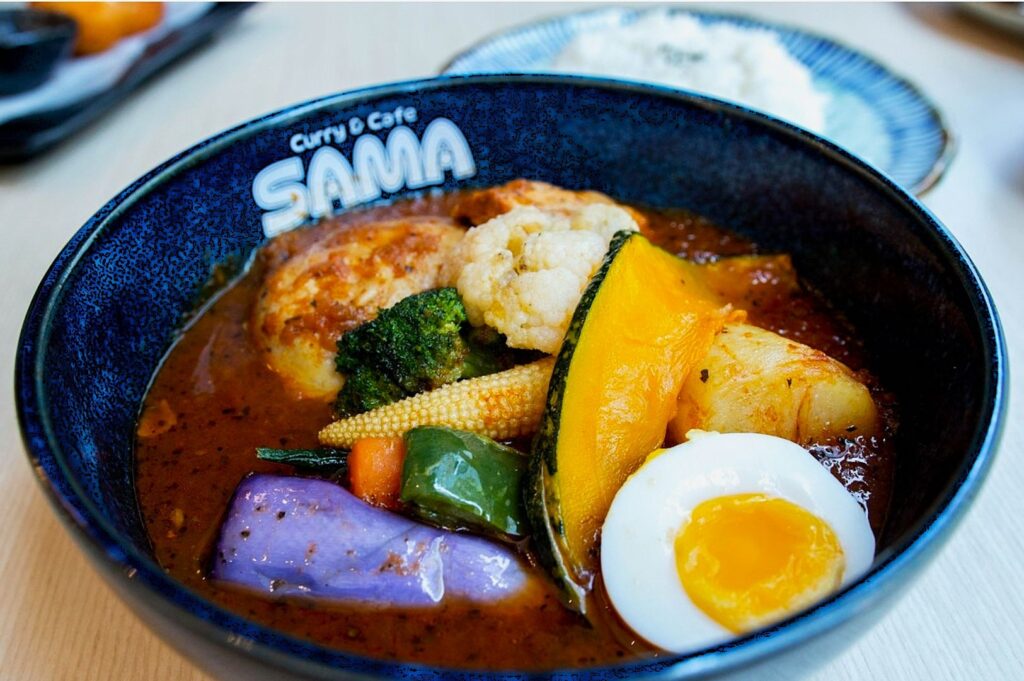
Though it carries the name “curry,” Hokkaido soup curry is a world away from regular Japanese curry, which is thick and stew-like, served on a single plate over rice. In contrast, Hokkaido soup curry is thin and broth-based, with the soup and rice served separately. Hokkaido soup curry is a soupy dish that is thin and watery, unlike regular Japanese curry which is thick. Originating in Sapporo, the capital city of Hokkaido, in the 1970s, the original soup curry was created by a cafe in Sapporo, inspired by a combination of Chinese/Korean medicinal soup and various curries from Southeast Asia.
Food, Memory, and a Bridge Between Worlds with Japanese-Style Curry Soup
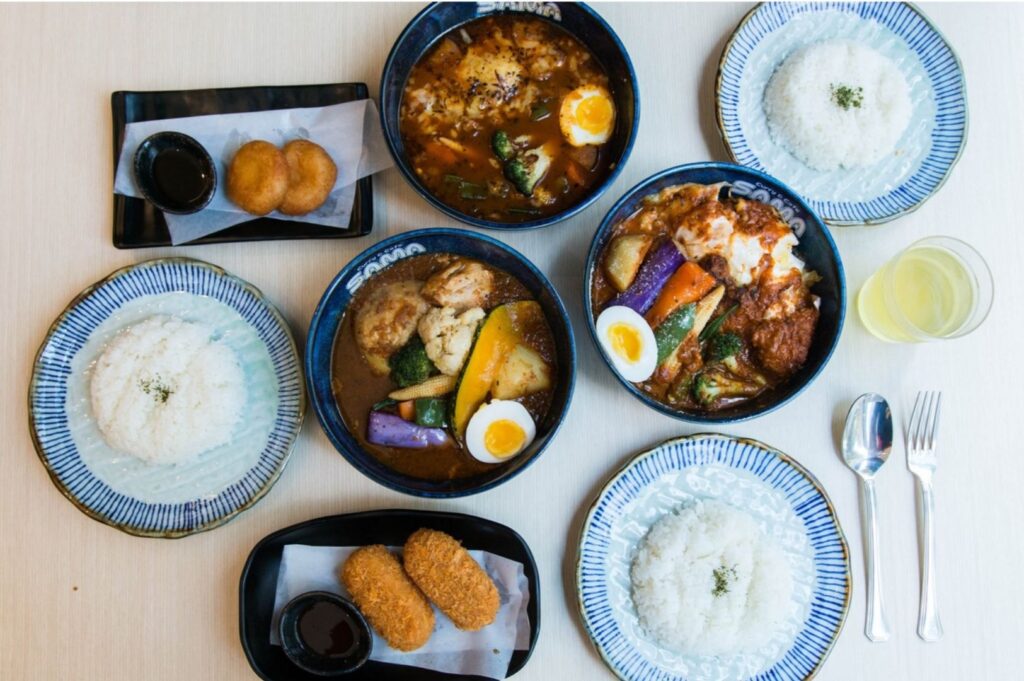
here’s a unique connection between food and memory. Long before we miss a specific place, we often find ourselves missing its tastes and smells. For many readers of Expat Life Singapore, discovering hidden culinary gems like the Fortune Centre food scene offers moments of rediscovery through food, travel, and shared experiences that form an essential part of building a life away from home. A particular vegetable curry or soup curry can transport us back to a specific moment in time, a cold winter’s day, a shared meal with friends, a solo trip of discovery. For us, the first taste of this original soup curry was in Hokkaido itself, where its warmth was a welcome defense against the biting cold. Enjoying a bowl of Hokkaido soup curry in the heart of tropical Singapore feels like a beautiful contradiction. It’s a bridge between the snowy landscapes of northern Japan and the humid afternoons of Southeast Asia, a reminder that the comfort of a meal can transcend climate and geography.
How Hokkaido Soup Curry Is Actually Meant to Be Eaten
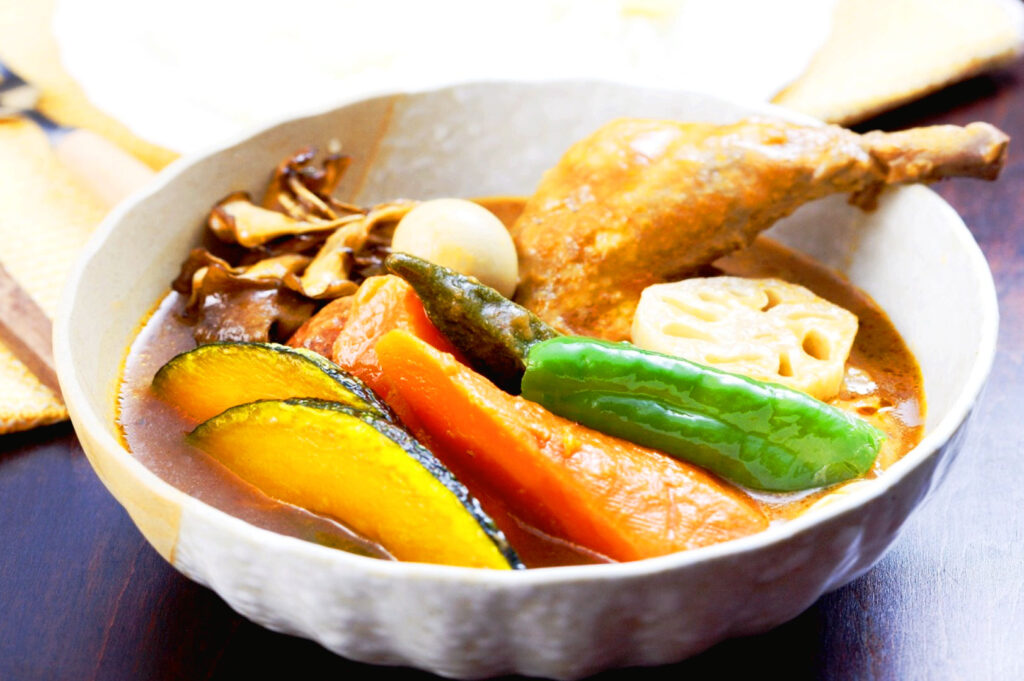
One of the first surprises for newcomers to hokkaido soup curry is its unique rhythm compared to typical Japanese curry rice. In this soup dish, the japanese rice is intentionally served separately, not just for presentation, but to invite a slow, sensory experience.
The Ritual of Eating Soup Curry
A spoonful of fluffy rice is gently dipped into the warm curry soup.
Followed by bites of tender chicken leg or bone in chicken, and fresh vegetables like lotus root or bell peppers.
Each mouthful is layered with the earthy warmth of garam masala and the subtle heat from curry powder.
The flavor profile shifts with every bite: sometimes sweet from kabocha squash, sometimes sharp with a hint of soy sauce.
I remember watching a friend, new to sapporo soup curry, instinctively pour the entire bowl over the rice, expecting a thick traditional Japanese curry. Halfway through, they paused and laughed, realizing the dish’s true charm lies in savoring rice and broth separately. This contrast between the light, spiced broth and the soft rice is central to the soul of hokkaido style soup curry.
Light Yet Layered Broth
Unlike the thick, heavy roux of regular Japanese curry, the soup base in hokkaido soup curry is a clear, aromatic broth. It’s simmered slowly in a heavy bottomed pot with chicken bones, pork belly, and root vegetables, allowing the spices and umami to meld perfectly without becoming dense or overwhelming.
The Quiet Complexity Behind a Good Bowl of Soup Curry
Before the first bite, a good bowl of soup curry reveals itself through aroma and texture.
The air is filled with the fragrant bloom of curry powder, garam masala, and a hint of tomato paste.
The broth is clear and rich, never thick or gluey, inviting you to dive in.
Central to the dish are the chunky vegetables, a hallmark of hokkaido soup, including lotus root, eggplant, and carrots.
These fresh vegetables are often flash fried using the Japanese su-age technique, a method that keeps their vibrant colors and crisp texture intact.
The deep fried vegetables are drained carefully on a wire rack lined with paper towels to preserve the lightness of the dish.
The meat, whether a tender chicken leg or succulent pork belly, is seared to develop rich brown bits, enhancing the broth’s depth.
If the curry resembles the thick sauce of typical Japanese curry, or if the vegetables become mushy, the balance is lost. The genius of hokkaido style soup curry lies in restraint and contrast, light broth paired with bold, textured ingredients.
Why Sapporo Soup Curry Thrives in Singapore’s Climate
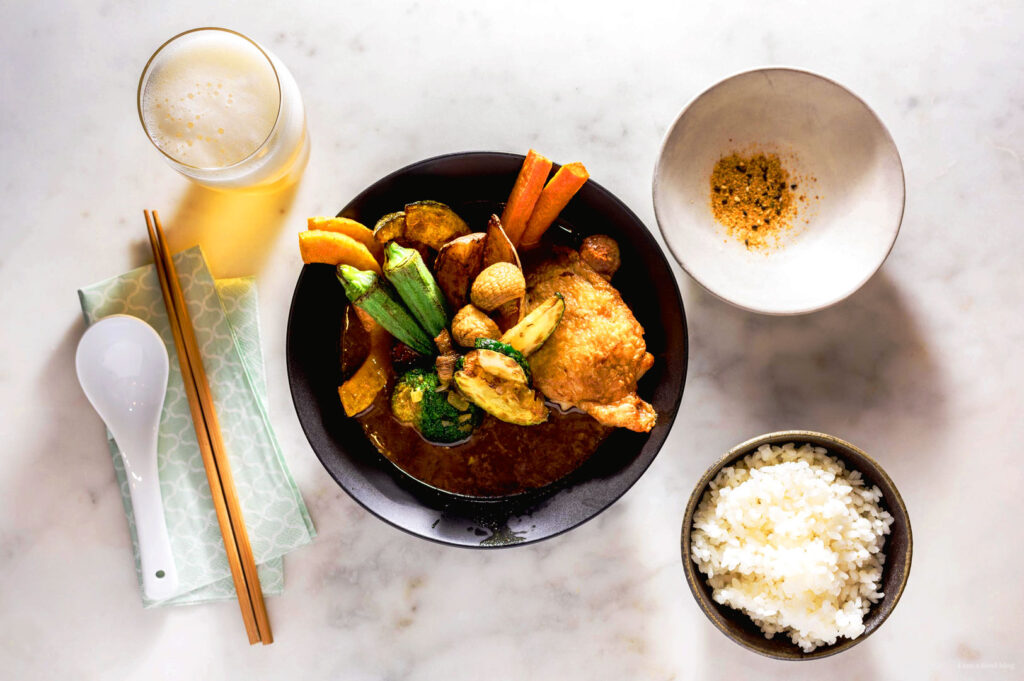
At first glance, the cold-weather origins of sapporo soup curry seem at odds with Singapore’s tropical heat. Yet, the dish fits surprisingly well here, thanks to Singapore’s rich tapestry of curry traditions.
Singaporeans are familiar with the layered spices of Indian, Malay, Peranakan, and Thai curries.
The light, broth-based soup curry offers a refreshing alternative to heavier curries, making it a perfect comfort food without feeling overwhelming.
The act of slowly dipping rice into the aromatic curry soup encourages a calm, deliberate pace of eating, an oasis in the city’s fast rhythm.
For many expats, this dish becomes a quiet anchor, a moment of warmth and familiarity amid the unpredictable rhythms of life abroad.
The Art of Deep Frying and Presentation in Hokkaido Soup Curry
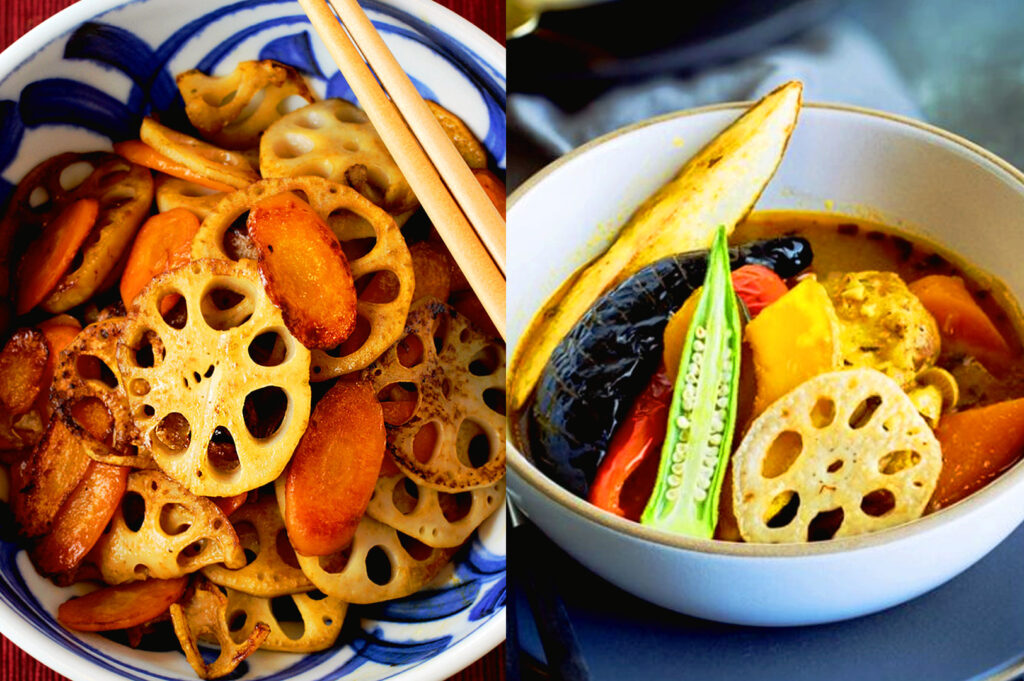
A key element that sets Hokkaido soup curry apart from other Japanese curries is the meticulous preparation of its deep fried vegetables. Using the traditional Japanese su age technique, vegetables such as lotus root, carrots, bell peppers, and eggplant are flash-fried without batter, preserving their vibrant colors and natural flavors. This method ensures that each vegetable retains a crisp texture that contrasts beautifully with the rich, aromatic curry soup.
After frying, the vegetables are carefully drained on a wire rack lined with paper towel to remove any excess oil, maintaining a light and clean taste. This attention to detail extends to the cooking of the chicken leg or tender chicken thighs, which are often seared skin side first in a cast iron pan to develop brown bits that add depth to the flavor before simmering in the soup base.
More Than a Meal: A Ritual of Comfort and Japanese-Style Cooking Techniques
This dish has become a ritual for us, a dependable source of comfort amid the ups and downs of expat life. It’s the meal we seek after a long week at work, savored alone at a quiet counter or shared with friends feeling a touch of homesickness, a silent offering of warmth and understanding. That steaming bowl has the power to soothe the pangs of loneliness that often come with living abroad, its hearty substance providing a lasting sense of stability when everything else feels uncertain.
For those who enjoy adding a personal touch, a quick stir of ingredients in a small bowl with soy sauce, rice vinegar, and carefully chosen seasonings ahead can bring even more flavors to the dish. Using a multi cook appliance or following instant pot directions allows cooks to precisely control the spice level and temperature, ensuring the perfect balance in every bowl.