It usually starts quietly. For us, it was a message in a WhatsApp group that had been dormant for weeks—just a name dropped into the chat without a link or a photo. Then, a few days later, we heard it again at a farewell drinks gathering, spoken with the kind of lowered voice usually reserved for rent-controlled apartments or reliable contractors. It wasn’t being shouted about; it was being shared like a secret that was already becoming too big to keep.
In a city like Singapore, where new restaurant openings are announced with fanfare and PR blitzes, this kind of murmur is rare. It catches your ear differently. As expats, we learn early on to filter out the noise.
We know the difference between a launch event and a genuine recommendation. When someone you trust—someone who has navigated the same relocation hurdles, the same search for a decent flat white, the same adjustment to the humidity—tells you something is worth your time, you listen. In a new city, that shared knowledge is currency.
That is how Sushi Masa by Ki-setsu entered our collective consciousness. It didn’t arrive with a billboard. It arrived via the oldest, most reliable mechanism in dining: one person having an extraordinary meal and feeling compelled to tell another.
It is the restaurant that has quietly become the answer to the question we get asked most often lately: “Where should we go for a meal that feels special, but real?”
What People Are Actually Saying — And Why It Keeps Spreading
The buzz around Sushi Masa by Ki-setsu isn’t vague. When you listen to the conversations happening at school gates or over Friday evening wines, the details are specific. People aren’t just saying “it was good.” They are describing the precise rhythm of the evening. They are talking about the intimacy of the room.
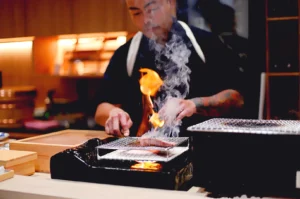
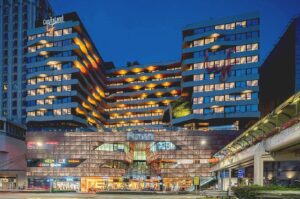
Located on Level 6, Cuppage Plaza, Singapore, the restaurant is hidden away in a building that feels more like a local secret than a polished dining destination. There are only 8 seats at the omakase counter.
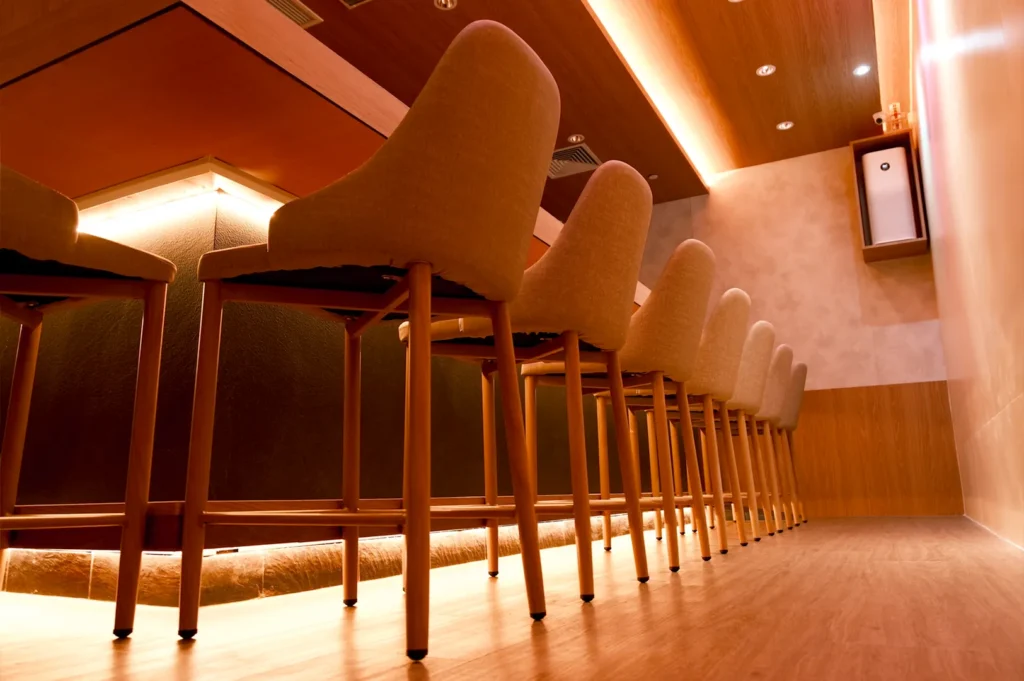
The limited seating adds to the exclusivity and intimate dining experience at this restaurant. Each guest gets a front-row seat to watch the skilled chefs prepare each dish with precision and care. The ambiance is cozy and inviting, allowing for conversations to flow freely without being overheard by other diners.
But what truly sets this restaurant apart is its commitment to using only the freshest, locally-sourced ingredients. The menu changes daily based on what’s available at
That number is crucial. It means that every single person who dines there gets the full story. There are no bad tables. There is no feeling of being on the periphery of the action while the “real” guests are attended to elsewhere.
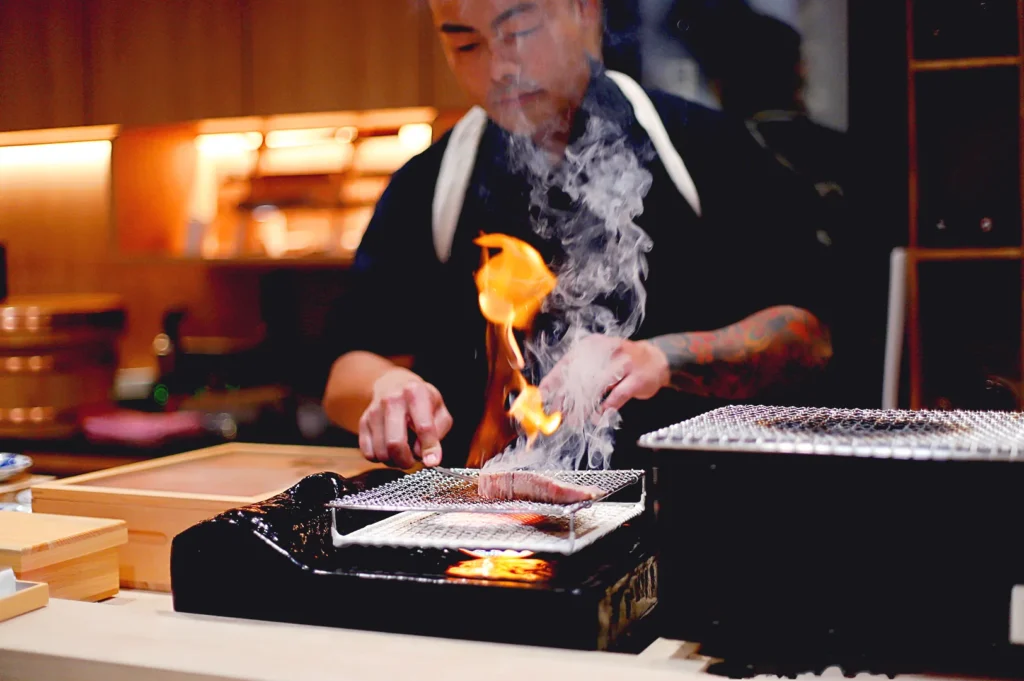
This intimacy is why the recommendation spreads so consistently. Everyone who goes has the same complete experience. They sit at the counter. They watch Chef Masa personally prepare every dish. They leave with a shared understanding of what makes the place tick. It’s simple arithmetic: eight people per evening, leaving with a genuine story to tell, inevitably leads to a reputation that builds slowly but with incredible structural integrity.
The Detail That Surprises Everyone the First Time They Hear It
There is usually a moment in the conversation where the person recommending the restaurant pauses to drop the detail that seals the deal. It sounds almost impossible at first, especially for those of us who have lived in cities where “fresh” is a relative term.
At Sushi Masa by Ki-setsu, the ingredients are flown daily from Toyosu Market, Japan.
Let that sink in for a moment. Not weekly. Not twice a week. Daily.
We are talking about one of the world’s most respected fish markets, supplying a kitchen in Singapore on a 24-hour cycle. When we first heard this, we admit we were skeptical. It seemed like a logistical impossibility or a marketing exaggeration. But then you go, and you taste it, and you realize it is simply the truth.
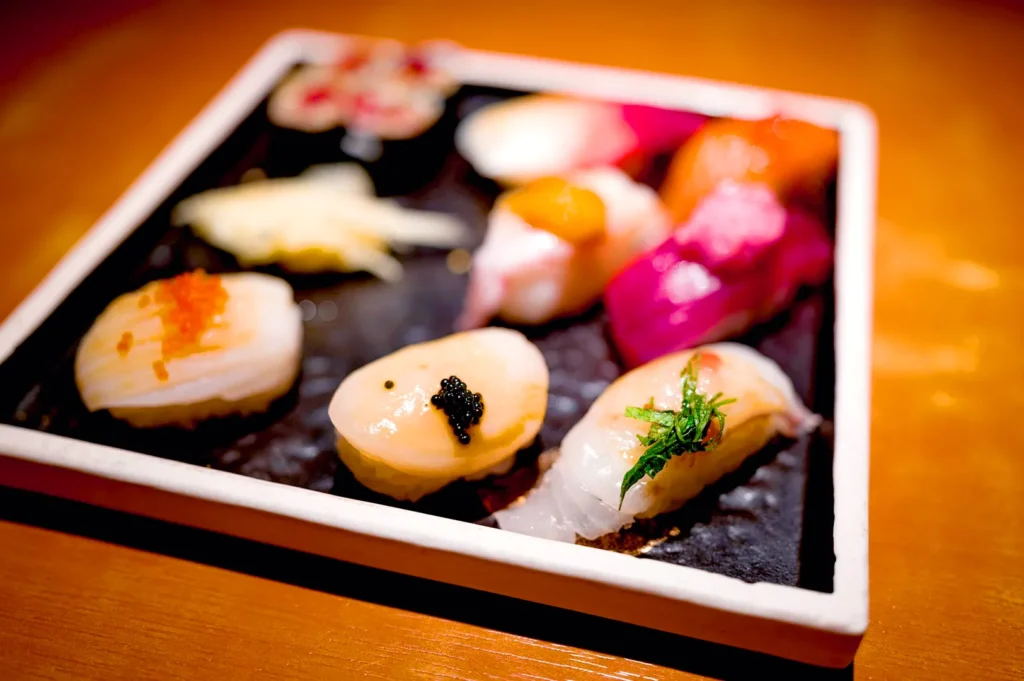
Because of this relentless sourcing schedule, the menu changes daily. There is no fixed menu. What you eat on a Tuesday might be entirely different from what was served on Saturday, because the shipment from Toyosu was different.
For the expat community, this detail lands with a mixture of delight and mild disbelief. We are used to things being imported, of course—that is life on an island. But the idea that the fish on your plate was in Tokyo hours before it was in Cuppage Plaza makes the experience feel grounded and vital.
It’s the detail that gets forwarded in messages, the fact that turns a “maybe” into a reservation.
Why Getting a Table Feels Like an Achievement — And Why That's Not the Point
Here is the reality check: you cannot just walk in. Advance booking is essential, and we are talking weeks to months in advance. The restaurant is open for dinner only, Tuesday to Saturday (they are closed Mondays, though private bookings are available Sundays).
In Singapore’s competitive dining landscape, it is easy to mistake a long waiting list for a status game—a velvet rope designed to make you want it more. But here, the wait feels different. It feels like a natural consequence of physics.
There are only 8 seats. The chef refuses to compromise the quality by cramming in a second seating or expanding the floor plan. The scarcity isn’t manufactured; it is the price of integrity.
For us, securing a reservation has become a quiet little victory. It requires planning, yes. You need to be flexible with your dates. You need to book as early as you possibly can.
And if a friend texts you saying they have a cancellation or a spare seat, you treat that alert like the gift it is. You clear your calendar. You go.
The wait isn’t a barrier to entry; it’s just the time it takes for a good thing to become available.
An Evening That Won't Happen Again — The Detail Expats Come Back to Most
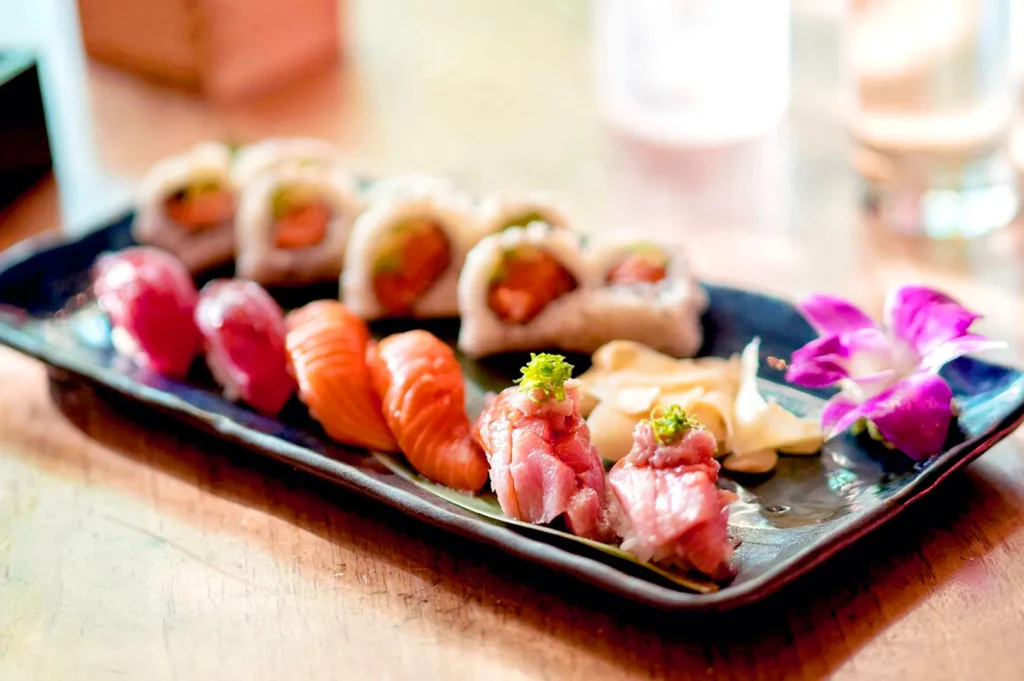
What keeps our community talking about Sushi Masa by Ki-setsu long after the meal is finished is the singular nature of the experience. The dinner runs across 16 or more seasonal courses over a leisurely 2 to 3 hours. Because the menu is decided that morning based on the Toyosu arrival, the meal you have effectively exists only for that one service.
There is something profound about that, especially for expats. Our lives here are often defined by transition—people come and go, contracts end, seasons blend into one another.
To sit down for an evening that is genuinely unrepeatable has a resonance that goes beyond just eating dinner. You are present for a specific moment in time, curated by Chef Masa, never to be replicated in exactly the same way.
We have heard friends describe the pacing of the meal—the way the courses build, the interaction with the chef, the focus in the room. It’s not a performance put on for show; it’s a craft being practiced in real-time. You aren’t just consuming food; you are witnessing a process.
And because Chef Masa personally prepares every dish, there is a direct line of communication between the kitchen and your plate. It feels personal. It feels fleeting. And that makes it memorable.
What It Costs — And How Expats Are Thinking About It
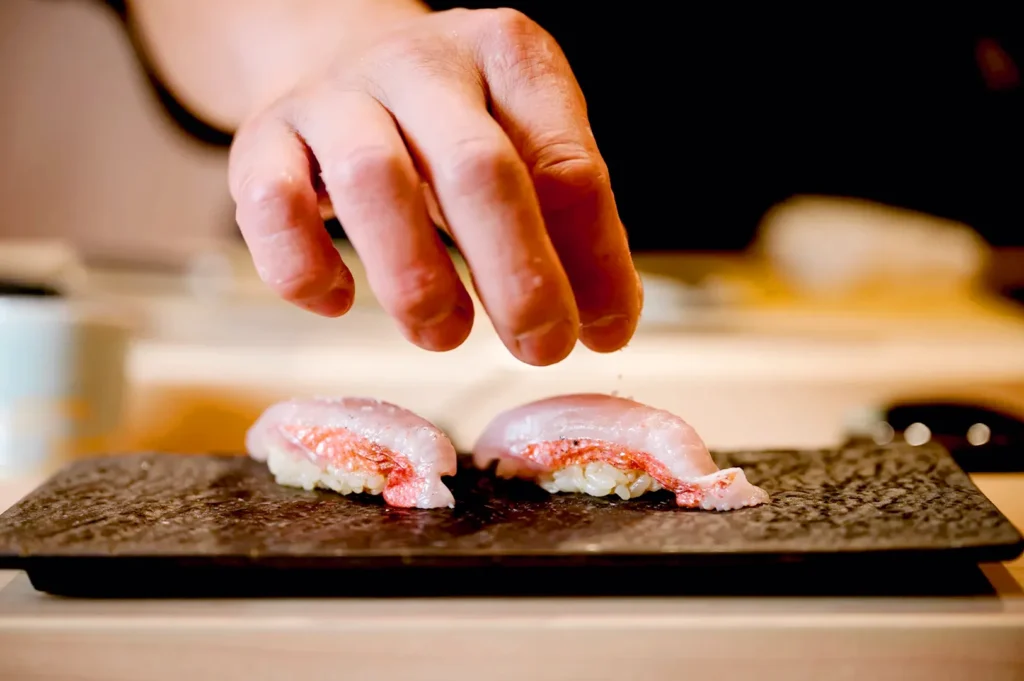
We know that navigating the cost of living in Singapore is a constant calibration for expats. We are all learning what things cost here versus “home,” and where the value truly lies.
Dining at Sushi Masa by Ki-setsu is an investment. Pricing starts from $230 per person, with a premium menu from $320 per person.
When we discuss this price point within the community, the conversation rarely centers on it being “expensive.” Instead, it centers on value. When you break it down—ingredients flown in daily from Japan, 16 or more courses, a three-hour experience, and the undivided attention of a chef at an 8-seat counter—the math starts to make sense.
For many of us, this isn’t a Tuesday night default. It’s the place for the anniversary you almost forgot to plan for. It’s the farewell dinner for the colleague moving back to London who wants one last, perfect meal.
It’s for the birthday that needs to feel distinct from the others. In a city that offers endless ways to spend money, spending it here feels substantial. You know exactly where the cost is going—it’s on the plate, and in the logistics that brought it there.
Each of these Chinese tea houses in Singapore offers a unique window into the art and culture of tea drinking. From the private luxury and rare teas at Tea Room by Ki-setsu, to the royal heritage of Tea Chapter, the educational warmth of Yixing Xuan, the meditative calm of Tea Bone Zen Mind on Emerald Hill, and the historic authenticity of Pek Sin Choon, Singapore is a treasure trove for tea lovers seeking authentic Chinese tea experiences in Singapore.
Why This One, Why Now — The Expat Community's Verdict
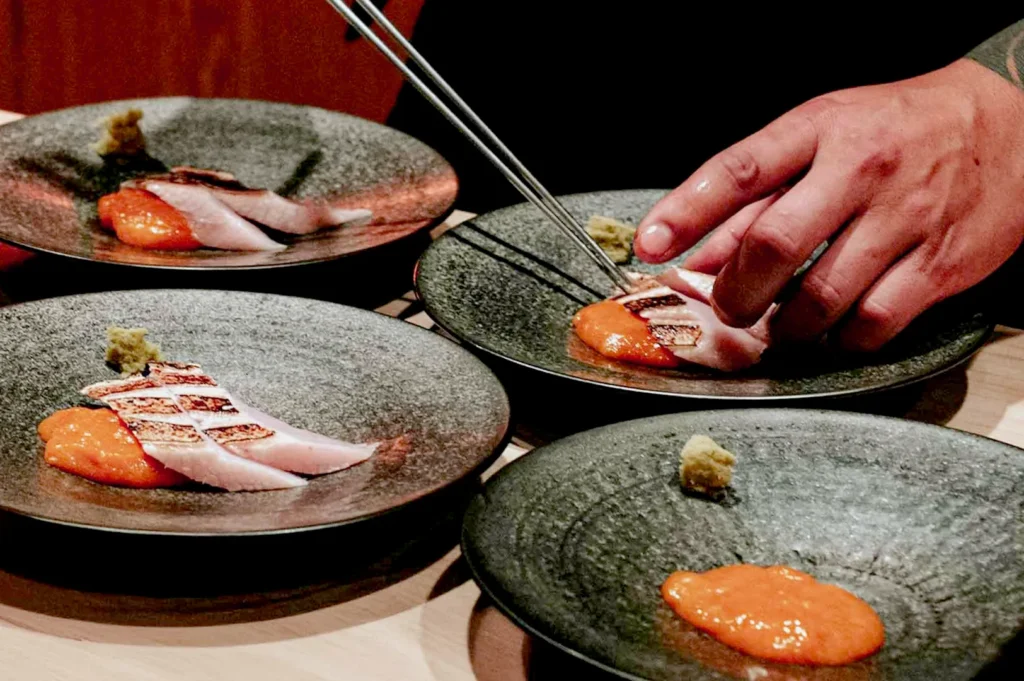
So, why has Sushi Masa by Ki-setsu captured our collective imagination? Why is this the name that keeps circulating in our networks?
We think it comes down to trust. In a transient city, we are always looking for anchors—places that deliver exactly what they promise, without pretense. We found a spot that respects the ingredients enough to fly them in daily.
We found a chef who respects the diners enough to serve only eight of them at a time. We found a restaurant that respects the experience enough to let it change every day.
The verdict from the expat community is clear, and it is consistent. It’s a consensus reached over quiet conversations and shared photos of impeccable nigiri. Sushi Masa by Ki-setsu didn’t shout for our attention. It simply did the work, night after night, course after course.
And in doing so, it earned every word of the praise we are giving it. It is a reminder that even in a bustling, ever-changing metropolis, the best discoveries are often the ones that wait quietly for you to find them.