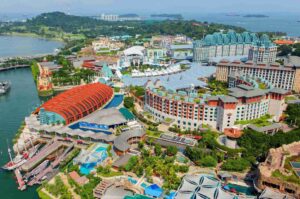
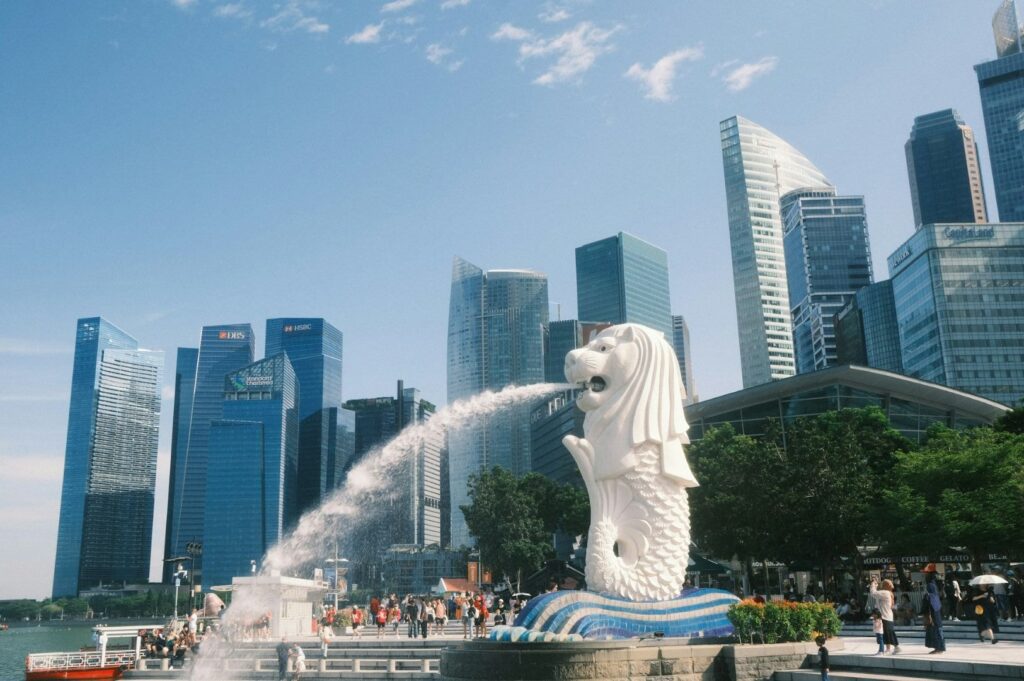
You’ve been in Singapore for a few years now. What started as a two-year assignment has turned into a life. You have your favorite hawker stall, you know which MRT carriage door opens right in front of the escalator, and you can’t imagine life without a weekend stroll through the Botanic Gardens. The thought starts to creep in: “What if I could make this more permanent?” You’re no longer just a visitor; Singapore feels like home. And that’s when you start typing “Singapore PR application” into your search bar.
This guide is your friendly companion for the Singapore PR application process. We’ll demystify the eligibility criteria, walk you through the application process, and share tips to help you put your best foot forward. Let’s navigate this important part of your Expat living in Singapore together.
Eligibility Criteria for Singapore PR Application
The first question on everyone’s mind is, “Do I even qualify?” The Immigration Checkpoints Authority (ICA) is the gatekeeper for Singapore permanent residence, and they have several schemes for eligibility. While there’s no guarantee of approval, you can apply if you fall into one of these main categories:
Holder of an Employment Pass (EP) or S Pass: This is the most common route for foreign professionals and skilled workers under the skilled workers scheme.
Spouse of a Singapore Citizen or Singapore Permanent Resident.
Unmarried child aged below 21 born within a legal marriage to, or legally adopted by, a Singapore Citizen or PR.
Aged parent of a Singapore Citizen.
Student studying in Singapore: To be eligible, you must have lived in Singapore for over two years and passed at least one national exam (such as the PSLE or GCE ‘N’/‘O’/‘A’ levels) or be enrolled in the Integrated Programme. Let’s talk about the hard part: For families with young sons, this isn’t just a checkbox; it’s a dinner-table debate about a 22-month commitment. It’s a trade-off that requires an honest family meeting.
Meeting these eligibility criteria makes you eligible to apply, but it doesn’t guarantee success. Your application will be assessed holistically based on your family profile, economic contributions, and social integration.
Understanding the Different PR Application Schemes
Most expats will apply under one of two main schemes. Understanding which one applies to you is the first step.
There are also special PR schemes for individuals with exceptional talent in fields such as literary arts, performing arts, and visual arts. These schemes recognize internationally acclaimed artists across these disciplines.
Professionals/Technical Personnel & Skilled Workers Scheme
This is the most common pathway for expats holding a valid Employment Pass or S Pass and working in Singapore. ICA will consider factors like your educational background, professional skills, employment history, salary, and CPF contributions under the Central Provident Fund (CPF) scheme.
Global Investor Programme (GIP)
For high-net-worth individuals and entrepreneurs, the Global Investor Programme offers a more direct route to Singapore permanent residency. This scheme requires you to invest a significant amount (at least SGD 10 million) into a new or existing Singapore-based business. Managed by the Singapore Economic Development Board, the GIP is designed to attract foreign investors who can contribute to Singapore’s economy and asset growth.
The Step-by-Step Singapore PR Application Process
The entire Singapore PR application is done online via the e-PR system on the ICA website.
Prepare Your Documents
Complete the Online Application Form
Upload Scanned Documents: Upload clear, scanned copies of all your additional documents following file size and format requirements.
Pay the Application Fee: Pay a non-refundable fee for each applicant, often via internet direct debit.
Submit and Wait: Submit your application, receive acknowledgment, and check your status online during processing by ICA.
Required Documents and Common Mistakes to Avoid

A successful Singapore PR application hinges on meticulous preparation. An incomplete or incorrect submission is one of the quickest ways to get rejected.
Core Documents You’ll Likely Need:
Identity Documents: Valid passport, Employment Pass/S Pass, National Identity Card from your home country, birth certificates for yourself and any unmarried children applying, marriage certificate and spouse’s personal documents (if married).
Educational and Employment Documents: Educational certificates (degree, transcripts, etc.), payslips for the last 6 months, and a letter of employment from your current employer.
Financial Documents: IRAS tax statements for the last 3 years.
Children’s Documents (if applicable): Children’s birth certificates and school records.
Common Mistakes to Avoid:
Blurry, shadowed scans: The e-PR system is notoriously picky. We’ve seen applications stall because of a stray thumbprint on a birth certificate scan or a ‘PDF too large’ error at 11:00 PM. Pro-tip: Use a proper flatbed scanner, not just a phone app. If you can’t see the fine print on your payslip, the ICA officer won’t try to squint to find it.
Inconsistent information: If your name is spelled “Jonathan” on your passport but “Johnathan” on your tax forms, the ICA will notice. Every detail must match perfectly across all documents.
Missing official stamps or seals: A friend of mine once had their PR application rejected because their marriage certificate lacked a specific government stamp. It was a tiny detail, but it cost them dearly. Always double-check that every official document has all required stamps, seals, or certifications.
Forgetting translations: Documents not in English must come with official translations. No exceptions.
Skipping the cover letter: While not mandatory, a well-crafted cover letter is your chance to tell your story. Use it to explain why Singapore is your home and highlight your significant contributions. It’s like a friendly nudge to the officer reading your file.
Think of these tips as a friendly warning from someone who’s seen it all, getting these details right can be the difference between a smooth approval and a frustrating rejection.
Timeline, Processing Time, and What to Expect
The wait is the toughest part. The Immigration Checkpoints Authority typically takes 6 to 12 months to process your Singapore PR application, though it can sometimes take longer. During this time, your application is carefully reviewed by the Singapore immigration authorities. This waiting period applies to all PR applicants, regardless of scheme.
One strategic vulnerability many expats share is the irresistible urge to refresh the application status page repeatedly, sometimes multiple times a day. While it’s tempting to seek updates, this habit won’t speed up the process and can lead to unnecessary anxiety. The best approach? Stay patient, live your life, and trust the process.
Tips to Strengthen Your PR Application for Successful PR Application

While the final decision rests with ICA, you can strengthen your case by showing commitment and contribution potential:
Show Social Integration: Participate in local community activities like volunteering or grassroots events to demonstrate your connection beyond work.
Highlight In-Demand Skills: Emphasize professions in high-demand sectors such as tech, healthcare, or the green economy.
Include a Thoughtful Cover Letter: Use it to express your personal ties, future plans, and why you want to build a life in Singapore.
Maintain a Clean Record: Stable employment and a clean legal history are essential.
Apply as a Family: Joint applications with family members show your intention to settle long-term in Singapore.
What Happens After Approval of Your Singapore Permanent Residence Status?
After months of waiting, you finally receive the email. Your Singapore PR application has been approved! What’s next?
In Principle Approval: You’ll receive an in principle approval letter with instructions on the next steps.
Complete Formalities: Book an appointment with ICA to complete PR formalities.
Medical Check-up: You and your dependents must undergo a medical examination.
Receive Your Blue IC: At your ICA appointment, surrender your Employment Pass and receive your National Registration Identity Card (NRIC), the “Blue Card,” officially becoming a permanent resident.
National Service (NS) Liability: Male Singapore citizens and male Singapore permanent residents granted PR as dependents must serve national service from age 18, as per the Enlistment Act.
Re-Entry Permit (REP): To maintain permanent residence status while traveling, hold a valid REP. Without it, you risk losing PR status when you leave Singapore
As Singapore PRs, maintaining valid re entry permits is essential since PRs do not have a Singapore passport and must travel with their REP. After holding PR for some time, you may apply for Singapore citizenship, which grants additional benefits, including a Singapore passport with greater global mobility.
Housing and Financial Benefits for Singapore Permanent Residents

As a Singapore permanent resident, you gain access to benefits such as the ability to purchase resale public housing (HDB flats) and private properties, though some restrictions apply. You may also be eligible for housing loans and various loans under government schemes.
You will also contribute to and benefit from the Central Provident Fund (CPF) scheme, which supports retirement, healthcare, and housing needs through CPF contributions.
What to Do If Your Singapore PR Application Is Unsuccessful
It’s important to know that the Immigration Checkpoints Authority (ICA) typically does not provide specific reasons for rejecting a Singapore PR application. While this can feel frustrating, the good news is there are meaningful steps you can take to improve your chances when you reapply.
Remember, you are not alone in this process, we’re here to support you every step of the way. Take this time as an opportunity to grow and deepen your ties to the community.
Practical Info Box: What to Do During the 6-Month Wait
Take a local course or workshop to enhance your skill
Volunteer regularly in community or grassroots activities
Join a grassroots committee or local interest group
Seek career advancement opportunities or professional development
Maintain a clean legal and employment record
Prepare additional supporting documents for your next application
Use this period wisely to build a stronger, more compelling case for your successful Singapore PR application next time.
Privileges of Singapore Permanent Residency
Freedom to live, work, and study in Singapore indefinitely
Access to public healthcare and education
Contributions to and benefits from the Central Provident Fund (CPF)
Opportunity to build a lasting family legacy
By embracing these responsibilities, you help preserve your residency and contribute positively to Singapore’s community.
Conclusion: Taking the Leap to Singapore Permanent Residency
The Singapore PR application is more than just paperwork; it’s a profound step in your life’s journey. It’s a declaration that you’re ready to move from being a guest to being part of the fabric of this nation. The process demands patience, precision, and a bit of hope. But for those who are successful, the rewards, stability, security, and a deeper sense of belonging, are immeasurable.
Ready to start your journey towards permanent residence Singapore? For more detailed guides, community forums, and expert advice on your Expatlife Singapore, explore the resources at myExpatLife Singapore. Your future in the Lion City is waiting.