Singapore Pop Culture: An Expat’s Window Into the City’s Creative Soul
Introduction to Pop Culture in Singapore
There’s something quietly magical about walking through Singapore’s neighborhoods, where the gentle hum of different languages tends to blend with the aroma of spices and the soft shuffle of daily life. This living symphony often reveals itself as more than mere coexistence, it’s the heartbeat of a pop culture that has been quietly weaving itself into something extraordinary. As a city-state, Singapore stands out in Southeast Asia for its unique blend of cultures and its sovereign identity. The city-state’s creative spirit seems to breathe through its streets, carrying whispers of Chinese melodies, Malay rhythms, Indian storytelling, and Eurasian fusion, all settling into a cultural tapestry that feels both familiar and wonderfully unexpected. The multicultural roots of Singapore include significant influences from India, China, and Europe, which have all contributed to its vibrant pop culture.
In those tender years following independence in 1965, something beautiful began to unfold. Local artists and musicians found themselves grappling with a question that tends to echo through every immigrant heart: what does it mean to belong here? Central to Singapore’s cultural evolution is the idea of a national identity a collective voice shaped by shared memories, music, and language. Through gentle experimentation with music, film, fashion, and the comforting ritual of shared meals, they began to craft an answer. Dick Lee’s genre-bending compositions often captured something ineffable about this place, a sound that couldn’t quite be categorized but felt undeniably like home. Kit Chan’s voice, too, seemed to carry the weight of collective memory, her performances quietly becoming the soundtrack to a nation learning to see itself clearly. Since its independence in 1965, Singapore’s multiculturalism, shaped by its diverse communities, including Chinese, Malay, Indian, Eurasian, and others, has been central to the development of its unique pop culture.
The ArtScience Museum’s SingaPop! exhibition tends to unfold like a gentle conversation with the past six decades, inviting visitors to wander through moments that shaped a cultural identity. Walking through its immersive multimedia exhibition spaces often feels less like viewing artifacts and more like rediscovering forgotten family stories. The interactive displays seem to whisper the evolution of a people finding their voice, each piece quietly reflecting the values that have come to define this country and diversity that doesn’t merely coexist but genuinely celebrates, innovation that honors tradition, inclusivity that feels lived rather than mandated. Singapore’s pop culture has evolved from a Western-influenced youth culture during the colonial era to a dynamic blend of Eastern and local flavors, reflecting its ongoing journey of cultural fusion.
Why Singapore Pop Culture Matters to Expats
The true spirit of Singapore often reveals itself beyond typical tourist sights. Imagine an August evening by the Marina Bay waterfront, where the opening notes of “Home” fill the air and thousands, from diverse backgrounds, sing together. Kit Chan’s voice connects everyone, revealing the Lion City’s vibrant heartbeat expressed through its pop culture. On 9 Aug 1988, Kit Chan sang ‘Home’ at NDP, marking a significant moment in Singapore’s pop culture—a pivotal moment that continues to define national identity and unity.
For expats, Singapore’s creative scene can feel overwhelming at first, from Singlish phrases at kopitiams to viral TikTok memes and passionate debates about hawker stalls. But over time, these fragments form a living, breathing ecosystem that invites participation and offers a sense of belonging.
In recent years, Singaporean voices have gained regional and global attention, making an impact on the world stage. Streaming platforms showcase local artists, while social media turns inside jokes into international phenomena. The little red dot punches well above its weight in cultural conversations worldwide.
This article, inspired by experiences at Sushi Masa by Ki setsu, a Japanese omakase restaurant in Cuppage Plaza, invites you to see Singapore pop culture as a doorway into the nation’s heart, enriching every experience from kaya toast breakfasts to intimate sushi dinners.
From SingaPop! To Streaming: 60 Years of Culture, A Decade of Acceleration
In August 2024, the ArtScience Museum opened SingaPop!, an immersive multimedia exhibition celebrating 60 years of Singapore pop culture since independence in 1965. SingaPop! is co-produced with mm2 Entertainment and supported by the Infocomm Media Development Authority (IMDA). Curated by the iconic creative director Dick Lee, the exhibition traces Singapore’s creative journey through five immersive chapters.
Early creativity faced challenges Dick Lee’s “Fried Rice Paradise” was banned in the 1970s for irreverent lyrics. Artifacts like a dress worn by Kit Chan and glasses of Rahimah Rahim tell stories of artists who persisted despite limited platforms, laying foundations for future generations. Walking through the galleries helps expats understand the emotional weight of songs, the significance of National Day Parades, and the preciousness of national identity. The exhibition is made possible through the support of institutions and the community, which has played a crucial role in promoting and validating Singaporean cultural expressions.
Recent decades saw rapid cultural growth, marked by major events that shaped Singapore pop culture. The SG50 celebrations in 2015 sparked reflection on Singaporean identity. In 2008, Singapore hosted the world’s first Formula One night race, putting the city on the global racing stage. In 2012, the film ‘Ah Boys to Men’ became a local box office hit, portraying the trials of National Service. Joseph Schooling’s 2016 Olympic gold united the nation in euphoria. In 2018, Singapore hosted the historic Trump-Kim summit, marking a significant diplomatic event.
The exhibition runs from 2nd August to 28th December 2025.
Influential Figures
There’s something quietly magical about walking through Singapore and suddenly hearing a familiar melody drifting from a coffee shop, or catching a snippet of conversation that references a film everyone seems to know by heart. These moments often reveal how deeply certain creative voices have settled into the rhythm of daily life here, becoming part of what it means to feel at home in the Lion City.
Dick Lee tends to appear in conversations with a certain warmth, often described as the “Mad Chinaman” – a title that speaks to his bold willingness to blend sounds that shouldn’t work together but somehow do. His exposure to London during his formative years played a significant role in shaping his artistic development, allowing him to draw on international influences while crafting a uniquely Singaporean sound. When you hear “Fried Rice Paradise” playing softly in a hawker centre, there’s often a gentle recognition in people’s eyes, a shared understanding of how this music captures something essentially Singaporean. His work with National Day Parades quietly weaves itself into collective memory, creating moments where the city’s multicultural heartbeat becomes almost tangible. Lee’s storytelling tends to celebrate rather than simply observe, helping people find their own stories reflected in the broader tapestry of what it means to belong here.
Cultural Exhibitions and Events: Festivals, Fairs, and Pop Culture Gatherings
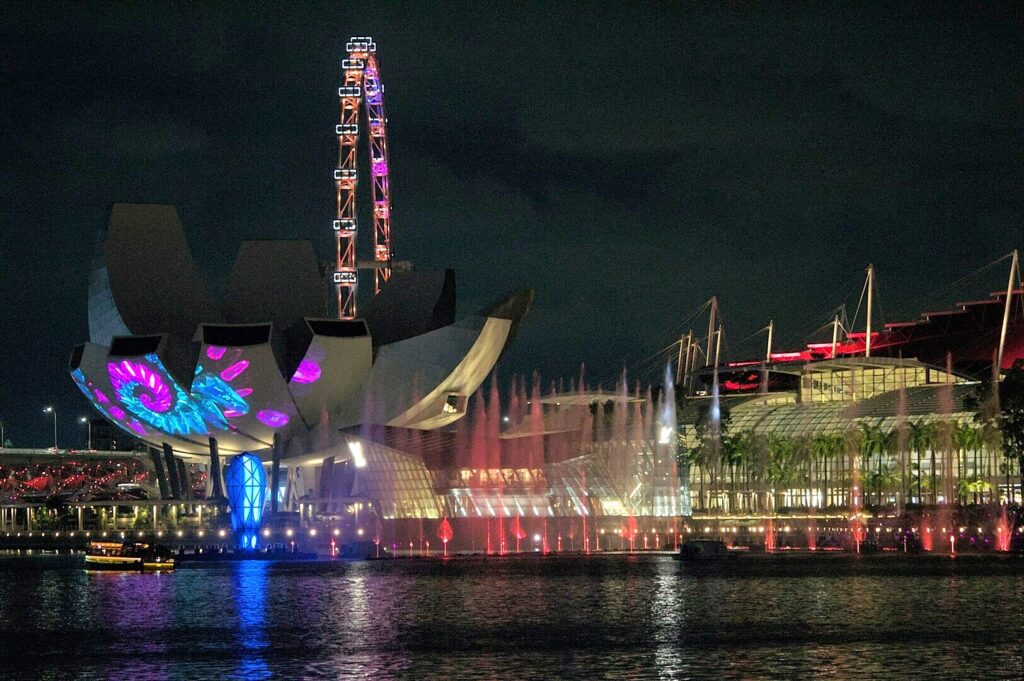
There’s something quietly transformative about stepping into Singapore’s cultural rhythm, where each season tends to unfold like chapters in a story you’re still learning to read. The city breathes with a creative pulse that feels both familiar and surprising, and you often find yourself drawn into celebrations that reveal what it truly means to belong to this Lion City. From the gentle glow that settles over Marina Bay Sands in the evening to the lotus petals of the ArtScience Museum catching afternoon light, these spaces have quietly become witnesses to moments that shape Southeast Asia’s cultural heart.
The ArtScience Museum, in particular, has emerged as something of a cultural sanctuary, a place where multimedia exhibitions tend to invite you into conversations spanning six decades of Singapore’s creative soul. When you wander through the recent SingaPop! exhibition, co-produced with mm2 Entertainment and thoughtfully curated by the legendary Dick Lee, you’re experiencing more than display; you’re witnessing a gentle tribute to shared identity. Through five immersive chapters, the exhibition allows you to trace the quiet evolution of Singapore’s cultural DNA, following threads of music, fashion, film, and food that have slowly woven the city’s distinctive sense of self. In the screening room, you might find yourself moved by Kit Chan’s performances and other cherished artists, each moment resonating with the emotional rhythms of a country’s patient journey toward understanding itself.
Events like the National Day Parade often feel like more than annual gatherings they become living expressions of who we are, spaces where the city’s diverse communities naturally come together in what feels like a joyful conversation about heritage and belonging. The parade’s creative direction tends to draw thoughtfully on decades of pop culture, weaving in references to songs that still play in our memories, films that shaped our understanding, and even those viral moments that somehow become part of Singapore’s collective story. It’s in these moments that the Red Dot quietly shines, as many Singaporeans and visitors alike find themselves gently swept into the music, stories, and spectacle that seem to capture something essential about the nation’s spirit.
In recent years, Singapore’s pop culture landscape has slowly expanded beyond what we might have once expected, welcoming festivals and gatherings that reflect the city’s naturally cosmopolitan spirit. Comic-Con events, music festivals, and fashion gatherings now draw people from across Asia, quietly transforming the Lion City into a space for creative exchange that feels both international and deeply rooted. These events tend to offer platforms where local talents can share their work alongside international voices, while also celebrating the multicultural influences: Chinese, Malay, Indian, and European—that make Singapore’s pop culture feel so distinctly layered and rich.
The early years of Singapore’s creative journey were often marked by bold experimentation and the occasional moment of gentle controversy. When Dick Lee released his debut album Life Story in 1974, featuring what would become the beloved “Fried Rice Paradise,” it represented both challenge and possibility—the song’s playful embrace of English was initially banned, yet it quietly signaled a new willingness to honor local identity in all its complexity. Lee’s later work, including the Mad Chinaman album, continued to celebrate Singapore’s multicultural heritage with a confidence that seemed to lay quiet groundwork for the more inclusive and assured pop culture we recognize today.
Today, the city’s creative spirit tends to be nurtured by institutions like the Infocomm Media Development Authority (IMDA), which quietly funds immersive exhibitions and cultural events that help support the next generation of artists and storytellers. The result feels like a vibrant, ever-evolving landscape where many Singaporeans contribute naturally to a tapestry of music, fashion, film, and food that belongs uniquely to this place and its people.
Looking toward August 2025, there’s a quiet anticipation building as the ArtScience Museum prepares to unveil a special exhibition celebrating 60 years of Singapore pop culture. Through five thoughtfully crafted chapters, visitors will be invited to explore the country’s heritage, daily life, and creative achievements—a gentle tribute to the resilience and imagination that have slowly defined the city-state’s journey. It feels like a moment to pause, reflect, and quietly celebrate the stories that continue to shape Singapore’s national identity, ensuring that the Lion City’s pop culture remains a living, breathing testament to its people’s dreams and the beautiful complexity of their shared experience.
Music, Film, and Screen: How Expats Tune In
Singapore’s music scene has grown vibrant and diverse. At Esplanade’s Baybeats festival, expats from all over discover local indie bands like Gentle Bones, whose 2014 debut marked a streaming breakthrough, and Jasmine Sokko, known for her electronic, masked performances. These artists fill cafés and boutique hotels, becoming part of expat life’s soundtrack. Singaporean Pop (Sing-Pop) is a blend of Western pop with local flavor, catchy melodies, and traditional instruments like gamelan or tabla.
Local film also resonates. Jack Neo’s comedies, from I Not Stupid to Ah Boys to Men, remain cultural touchstones. Films like I Not Stupid have sparked public debate about education and societal issues in Singapore, highlighting how media can influence conversations on local politics and social norms. The 1997–2007 series Phua Chu Kang Pte Ltd created an iconic character whose catchphrases still echo. Cult classics like 1998’s VR Man and Money No Enough offer sharp social commentary wrapped in humor.
Expats often transition from mainstream cinemas like Jewel Changi to independent venues such as The Projector, discovering local films and learning Singlish wordplay. While Taylor Swift’s sold-out 2024 Eras Tour reinforced Singapore’s music hub status, many find deeper connections in smaller venues—jazz bars, open mic nights, and rooftop gigs featuring local and international acts.
Streaming platforms help expats explore Singapore’s pop culture, from Netflix’s Singapore section to YouTube archives of National Day Parades. Video content plays a key role in capturing and sharing Singaporean life, history, and events, making these experiences more vivid and relatable. The rise of local production and increased access to East Asian pop (C-pop, J-pop) from the 1980s to 1990s also fostered local music scenes, shaping the diversity found today. Each discovery adds texture to life here.
Everyday Icons: Memes, Milo, Singlish, and National Moments
Singapore’s pop culture thrives in everyday symbols. The Milo truck at school sports days evokes nostalgia for many locals. Singa the Courtesy Lion, who “resigned” in 2013, became both a mascot and a reflection on national character. NDP funpacks spark annual social media debates and memes, with many Singaporeans concerned about public issues or incidents that become meme-worthy, often expressing their opinions or emotional responses online.
Memes form a cultural shorthand. Prime Minister Lee Hsien Loong’s 2006 “mee siam mai hum” slip became a gentle joke about leadership and food. The 2020 General Election’s “cockles of my heart” phrase and Jernelle Oh’s 2013 Crimewatch line resurfaced on TikTok, showing how Singapore pop culture’s timeline is unique, with moments gaining viral life years later.
Expats’ Singlish journeys often start with hesitation, then familiarity, and finally fluency, knowing when to use “lah,” “can,” or “makan” naturally. Ordering “Milo peng” or “kopi gao” becomes a small cultural act. One expat recalls initially missing jokes at a 2024 National Day party, only to explain them to newcomers the following year.
Creative Neighborhoods and Cultural Crossroads
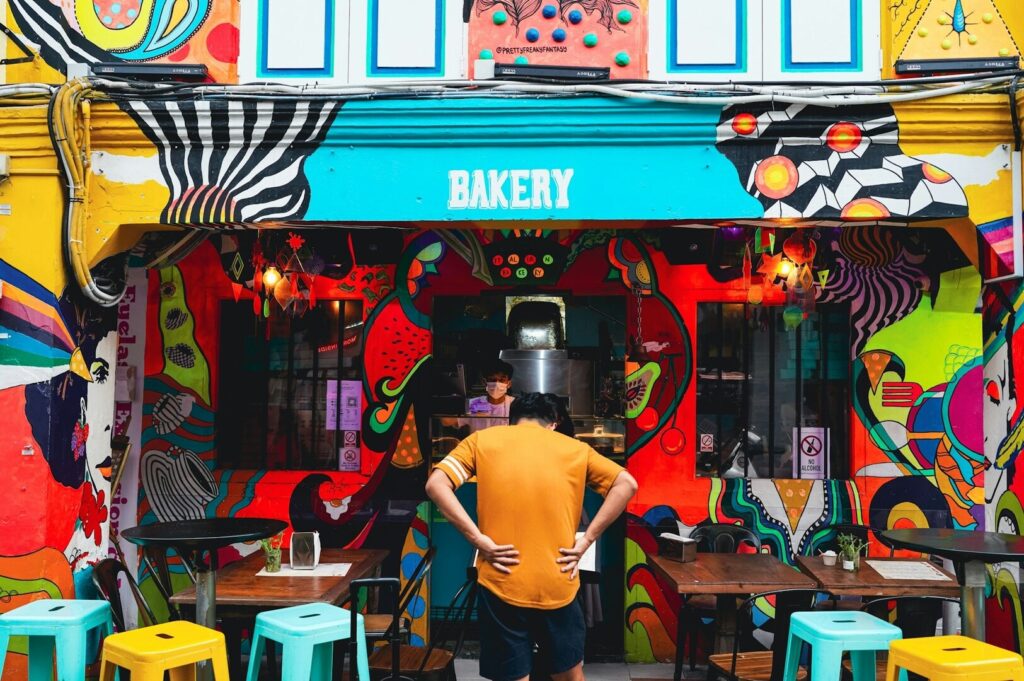
Singapore’s pop culture lives in neighborhoods. Haji Lane offers evolving street art, indie boutiques blending batik and streetwear, and intimate bars. Tiong Bahru’s art deco shophouses house bookstores and cafés with rotating exhibitions by local and regional artists.
The Bras Basah Bugis precinct clusters museums, libraries, and arts schools. The lotus-shaped ArtScience Museum near Marina Bay Sands hosts exhibitions like SingaPop!, blending art and innovation. Many of these exhibitions serve as a tribute to Singapore’s multicultural identity and creative spirit, honoring the nation’s diverse heritage. Its architecture is iconic, frequently featured in social media and travel guides.
Multiculturalism is lived, not just marketed. Chinese New Year lion dances, K-pop playlists, Deepavali celebrations, J-pop cosplay, and Ramadan bazaars fill neighborhoods with diverse cultural expressions, mixing locals, tourists, and expats.
An evening might flow from gallery hopping at the National Gallery, street art in Haji Lane, a pop-up market, to dinner at Sushi Masa by Ki setsu, where Japanese tradition meets Singaporean appreciation in an intimate setting.
Expats as Participants: Collaboration and Community
Expat life has evolved from transient to collaborative. Many now actively contribute to Singapore’s creative ecosystem, enriching pop culture through cross-cultural projects.
Examples include a French designer fusing batik with streetwear, an Indian engineer co-hosting a bilingual food heritage podcast, and a Japanese photographer collaborating with local dancers. Co-working spaces, theaters, and university festivals foster multicultural creative exchange.
In hospitality, chefs blend local flavors with global techniques, such as the Japanese chef at Sushi Masa using Toyosu Market seafood to honor tradition while innovating.
Emotional journeys matter. Many expats start isolated but find belonging through creative communities, photography walks, zine workshops, theater roles marking a shift from outsider to participant.
Digital Singapore: Social Media, Podcasts, and Global Reach
Global platforms amplify Singaporean voices. Instagram and TikTok feature creators sharing Singlish tutorials, hawker reviews, and cultural commentary. YouTube archives National Day Parades and vlogs exploring hidden city corners. Spotify connects local musicians to audiences worldwide.
For expats, these platforms provide previews before arrival and tools for deeper cultural immersion after settling in. Viral moments like Steven Lim’s 2004 Singapore Idol audition and recent Singlish comedy skits illustrate Singapore’s unique digital culture.
Resources like expatlifesingapore.com help newcomers navigate this digital landscape.
Tensions exist around commercialization and representation, urging expats engaged in content creation to approach local culture with respect and humility.
Food as Pop Culture: From Hawker Centres to Omakase Counters
Food in Singapore is identity and performance. Hawker centres offer sensory immersion and affordable culinary excellence. Hawker Chan’s 2016 Michelin star highlighted street food’s global acclaim.
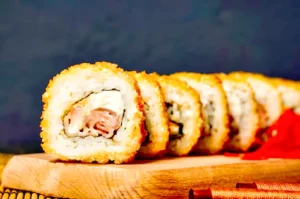
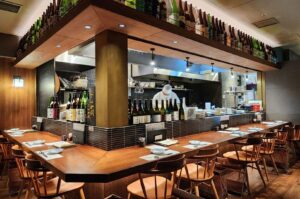
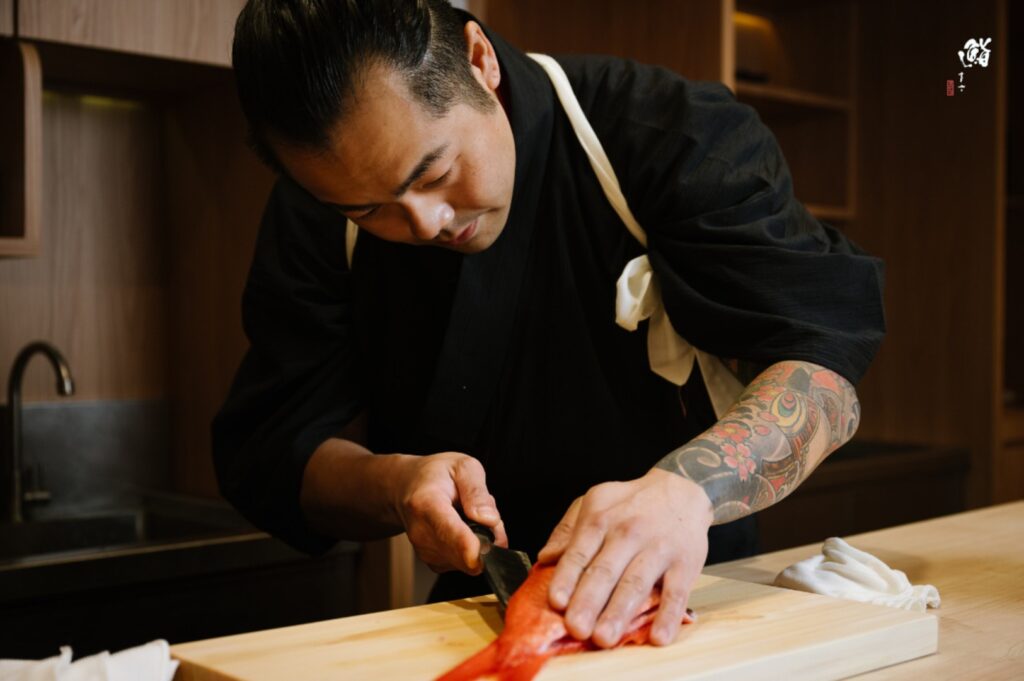
Japanese cuisine reflects deeper cultural ties, precision, seasonality, ingredient quality. Anime and K-pop influence youth fashion; ramen shops and izakayas are widespread. High-end omakase counters like Sushi Masa by Ki setsu offer intimate, refined experiences with premium seafood flown daily from Toyosu Market in Japan.
A weekend might span wet markets, hawker lunches, art exhibitions featuring food vendors’ stories, and omakase dinners—connecting local flavors to global craft.
Identity, Belonging, and Carrying Pop Culture Home
With time, expats internalize Singapore’s culture. National Day songs like “Home” become familiar, Singlish slips naturally into speech, and opinions on hawker stalls and memes develop.
This raises questions about appreciation versus appropriation. Thoughtful expats listen more than claim, learning about Singapore’s history shaped by Chinese, Malay, Indian, and other communities, and by leaders like Lee Kuan Yew.
The SingaPop! exhibition’s “rojak spirit”—embracing differences to create something new—offers guidance: participate generously but respect that this culture belongs first to those who built it over six decades.
When expats leave, they carry Singapore’s pop culture fragments with them, woven into their own stories.
Practical Ways for Expats to Engage
Engagement requires curiosity, not expertise. Attend National Day celebrations, visit exhibitions at the ArtScience Museum or National Gallery, catch local band gigs, and explore smaller venues.
Use digital tools wisely: follow local creators on Instagram and TikTok, subscribe to Singapore-based podcasts, and consult curated guides like expatlifesingapore.com.
Treat meals, songs, memes, and performances as conversation starters. Ask questions, learn from locals, and contribute respectfully. In Singapore, pop culture is a bridge leading to meaningful connection.
Conclusion and Future Outlook
There’s something quietly remarkable about watching Singapore’s pop culture unfold over the decades—how it tends to shift and breathe with the city’s own rhythm, adapting in ways that often surprise even longtime residents. The past sixty years have witnessed this small island nation gently transform from its early, uncertain days into something of a cultural beacon, where creativity seems to seep naturally through music that drifts from void decks, films that capture local heartbeats, and food scenes that tell stories of home and belonging.
When you pause to consider what lies ahead, the future of Singapore’s pop culture feels like a conversation still being written. New voices are quietly emerging, artists and musicians, filmmakers and designers who seem to understand intuitively how to weave together threads of heritage with the pulse of global currents. Digital platforms and immersive experiences like SingaPop! at the ArtScience Museum are creating spaces where these stories can travel, reaching curious minds across Southeast Asia and beyond, almost like whispered invitations to understand this place a little deeper.
Perhaps you’ve found yourself savoring that first bite of kaya toast at a familiar hawker stall, or humming along to those National Day melodies that somehow lodge themselves in memory, or wandering through an art exhibition that speaks to something you hadn’t quite articulated before. In these moments, you’re quietly becoming part of something larger a living narrative that tends to celebrate the creativity, resilience, and beautiful complexity of this little red dot. The next chapter of Singapore’s pop culture unfolds each day, and there’s always room for another voice in the conversation.