


You’re settling into your new life in Singapore. You’ve mastered the MRT, discovered your favorite chicken rice stall, and can finally handle the humidity. But then, a thought creeps in: what happens if you get sick? Or need to see a doctor for a check-up? Suddenly, you’re faced with a whole new set of questions about a system you know nothing about. Navigating a new country’s medical landscape can be daunting, but the Singapore’s healthcare system is widely regarded as efficient and well-organized. In Bloomberg’s 2014 Healthcare Efficiency Index, Singapore ranked #1 out of 51 countries, based on life expectancy, cost per capita, and proportion of GDP spent on health care.Singapore’s impressive health care outcomes, including high life expectancy and low infant mortality rates, reflect the effectiveness and quality of care provided within the system.
Understanding how it works is essential for every expat. It’s not just about knowing where the nearest hospital is; it’s about understanding your options, managing costs, and ensuring you have the right coverage for peace of mind. Think of this as your friendly guide to demystifying Singapore’s health care system, a comprehensive, multi-layered framework that ensures universal health coverage and high standards of care. We’ll break down everything from public and private facilities to the role of health insurance, so you can feel confident and prepared for any healthcare needs that come your way.
How the Healthcare System in Singapore Works: A Brief Overview
Singapore’s healthcare system is built on a mixed financing system that balances government involvement with individual responsibility. The Ministry of Health oversees the system, ensuring access to affordable healthcare and promoting good health for all Singapore residents.
For Singapore citizens and permanent residents, the system is funded through a combination of government spending, government subsidies, compulsory savings via the Central Provident Fund Board (CPF), and co-payments. A cornerstone of this system is MediShield Life, a national health insurance plan that provides Medishield life coverage for large hospital bills and catastrophic expenses. The MediShield Life component forms the foundation of Singapore’s broader insurance framework, which also includes schemes like the Integrated Shield Plan, ElderShield, and MediFund to offer layered protection for different healthcare needs.
The Community Health Assist Scheme (CHAS) further supports lower- to middle-income households by providing subsidies for primary care and selected outpatient treatments at participating clinics. Additionally, the Pioneer Generation Package offers enhanced support to seniors who contributed to Singapore’s development.
Public Health System vs. Private Sector: Choosing Your Path
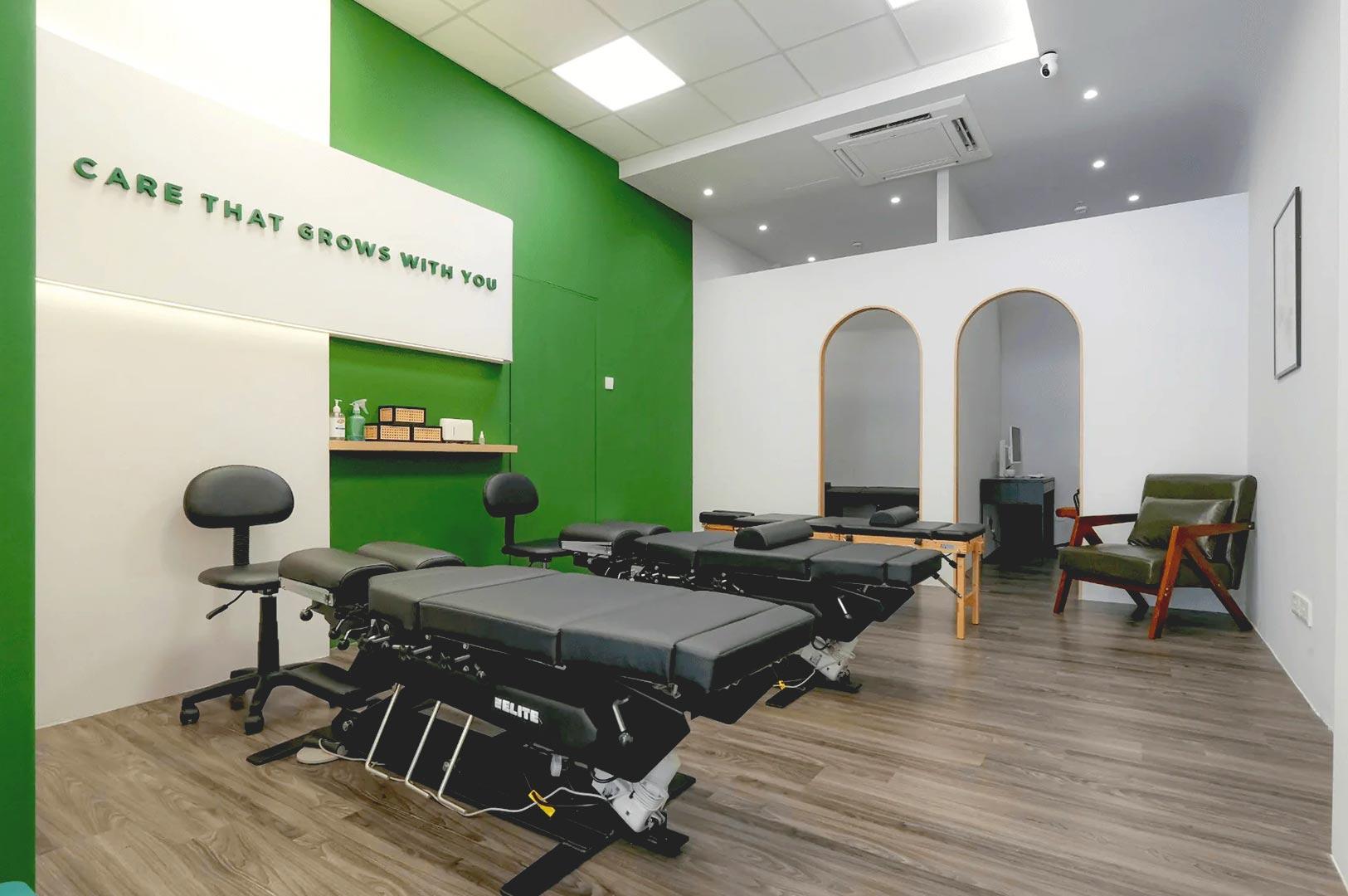
One of the strengths of the healthcare system in Singapore is the coexistence of a robust public health system alongside a thriving private sector, with health care in both sectors being highly organized and efficiently delivered. Both public hospitals and private hospitals deliver high healthcare quality, but they differ in terms of cost, amenities, and access.
Public Healthcare: Accessible and Quality Care
The public healthcare sector includes a comprehensive network of general hospitals, community hospitals, and polyclinics. Facilities such as Singapore General Hospital (SGH), Tan Tock Seng Hospital, and KK Women’s and Children’s Hospital are key public institutions known for their excellence. The Institute of Mental Health is Singapore’s only psychiatric hospital, providing specialized inpatient, outpatient, and community-based mental health services as part of the public healthcare system.
-
Polyclinics provide accessible primary care and preventive care, including health screening and management of chronic conditions. They serve as the first point of contact for many Singapore residents.
-
Public hospitals offer a wide range of healthcare services, including specialist outpatient services, emergency care, and inpatient treatments. They also operate C class wards, which are heavily subsidized and affordable based on household income.
The public system is supported by government subsidies and a safety net through the MediFund endowment fund, which assists those unable to cover their medical bills after using MediShield Life and MediSave.
Pros of Public Healthcare:
-
High standard of medical expertise and outcomes.
-
More affordable care due to subsidies.
-
Access to community based care and palliative care services.
Cons of Public Healthcare:
-
Longer wait times for specialist appointments.
-
Less choice in doctors and ward types.
-
More basic accommodations compared to private facilities.
Healthcare Providers and Facilities: Understanding Your Options
Public Healthcare System

-
Orchestrated by the Ministry of Health, comprising public hospitals, polyclinics, and community hospitals.
-
Provides affordable healthcare with government subsidies, primarily for citizens and permanent residents.
-
Public hospitals like Singapore General Hospital offer services from emergency care to complex surgeries.
-
Community hospitals focus on rehabilitation and intermediate care.
-
Nursing homes and long-term care facilities support sustained healthcare needs.
-
Specialist outpatient services and chronic condition management are key features.
-
Supported by the Community Health Assist Scheme (CHAS), offering subsidies for eligible lower- and middle-income citizens and the Pioneer Generation at participating clinics.
Private Healthcare Sector
-
Includes private hospitals, clinics, and medical centers known for luxurious amenities and personalized care.
-
Offers shorter wait times and private rooms for enhanced comfort.
-
Requires higher financial investment; many rely on private health insurance to manage costs.
-
Appeals to those seeking convenience, premium services, and advanced treatments.
Choosing Your Healthcare Options
-
Consider proximity, type of medical attention needed, and budget when selecting healthcare providers.
-
Public hospitals offer comprehensive services with government support and affordability.
-
Private hospitals provide premium experiences with greater choice but at higher costs.
-
CHAS ensures accessible healthcare subsidies even within the private sector for qualifying individuals.
Singapore’s healthcare system provides a spectrum of options tailored to diverse needs, balancing quality, accessibility, and cost.
Community Support: Resources Beyond the Hospital
Singapore’s healthcare extends beyond hospitals, with community resources designed to promote wellness and support residents.
Healthier SG Programme
-
Encourages residents to take proactive control of their health.
-
Offers fully subsidized health screenings and vaccinations.
-
Focuses on preventive care as a routine part of life.
Community-Based Care
-
Includes home nursing, palliative care, and rehabilitation services.
-
Provides care in familiar, comfortable environments.
-
Supports patients with chronic conditions and those needing ongoing care.
Health Promotion Board Initiatives
-
Runs public education campaigns and wellness programs.
-
Promotes healthy lifestyles and early disease intervention.
-
Enhances community awareness to reduce serious illnesses.
Digital Health Tools
-
National Electronic Health Record system enables secure access to medical history.
-
HealthHub portal allows residents to manage appointments and health information online.
-
Facilitates coordinated care and informed decision-making.
Financial Support Schemes
-
ElderShield and CareShield Life provide monthly payouts for severe disability and long-term care.
-
MediSave and MediShield Life protect against catastrophic medical expenses.
-
These schemes ensure financial security and support for residents facing significant health challenges.
Together, these community resources empower individuals and families to navigate Singapore’s healthcare system confidently and maintain good health.
Health Insurance in Singapore: Navigating Coverage Options

Singapore’s Health Insurance System
The health insurance landscape in Singapore is anchored by the 3Ms: MediSave, MediShield Life, and MediFund. The Central Provident Fund Board manages these schemes to ensure universal health coverage for citizens and permanent residents.
-
MediSave is a compulsory medical savings account that helps cover routine medical care and some medical bills.
-
MediShield Life offers basic insurance for large hospital bills and serious illnesses. It covers public and private hospitals but has deductibles and co-payments.
-
MediFund acts as a safety net for those unable to pay their remaining medical costs.
Integrated Shield Plans and Private Insurance
For enhanced coverage, many residents opt for integrated shield plans, which supplement MediShield Life coverage by providing access to private facilities and better ward options. These plans can be paid partly using MediSave funds.
Expats and those seeking broader protection typically purchase private health insurance plans that cover hospitalization, outpatient treatments, mental health, and even medical evacuation.
Severe Disability Insurance Scheme and CareShield Life
To address long-term care needs, Singapore has introduced the Severe Disability Insurance Scheme, known as ElderShield, soon to be replaced by CareShield Life. This scheme provides monthly payouts for those with severe disabilities, funded through premiums paid during working years.
Electronic Health Records and Healthcare Quality
Singapore is a leader in health technology integration. Recently, the Ministry of Health launched several initiatives and reforms to enhance digital health infrastructure and strengthen quality assurance across the sector. The Ministry of Health has implemented a national electronic health records (EHR) system that connects public and private hospitals, community hospitals, and clinics. This system supports seamless care coordination and improved healthcare quality.
Hospitals and clinics in Singapore often pursue accreditation from organizations like the Joint Commission International, ensuring adherence to global standards.

Hospital Beds and Healthcare Spending: Meeting Growing Demand
Singapore maintains a high standard with approximately 2.4 hospital beds per 1,000 population across public and private hospitals. However, rising demand due to an aging population has led to increased healthcare spending and expansion of community hospitals and public healthcare facilities.
The government continues to invest in infrastructure and manpower to maintain good health outcomes and manage rising costs effectively.
Promoting Preventive Care and Healthier Living
The Health Promotion Board actively works to promote good health and preventive care through nationwide campaigns, health screenings, and community programs. Initiatives like the Pioneer Generation Package encourage seniors to stay healthy and manage chronic diseases proactively.

Conclusion: Navigating Singapore’s Health System with Confidence
Singapore’s healthcare system offers an exceptional blend of accessibility, quality, and choice. Whether through the public health system or the private sector, Singapore residents benefit from comprehensive healthcare services supported by robust insurance schemes and government initiatives.
For expats, understanding the importance of private health insurance and familiarizing oneself with the healthcare landscape ensures peace of mind. With the right preparation, you can enjoy the benefits of one of the world’s most efficient and effective health systems.
Ready to learn more? Explore detailed guides on health insurance, preventive care, and how to make the most of Singapore’s healthcare system for you and your family members.