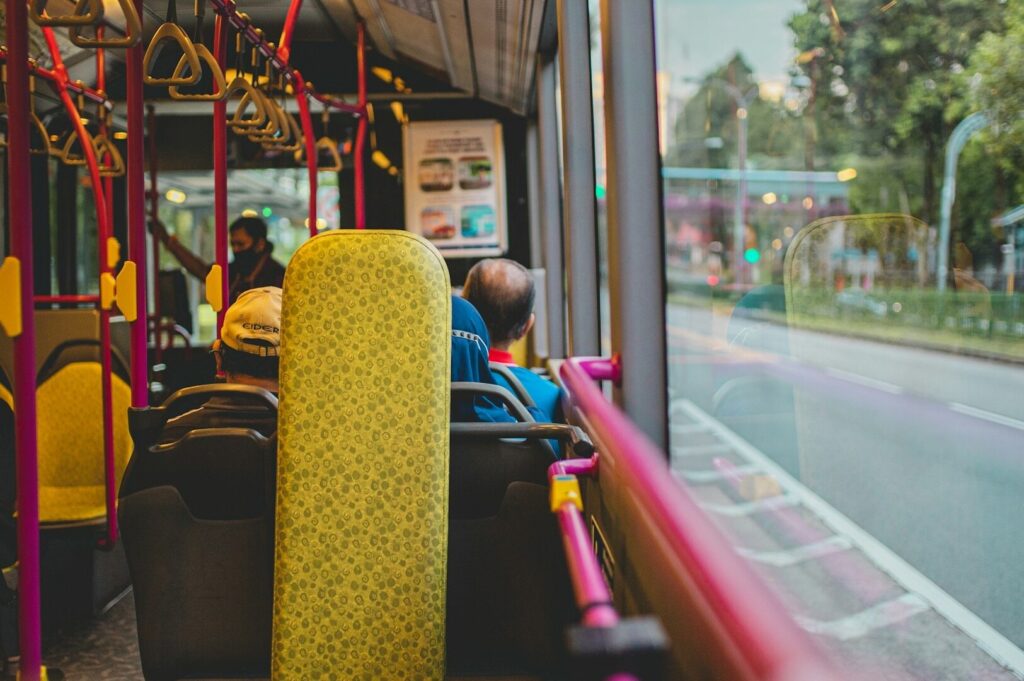
For residents and visitors alike, the Singapore bus is a daily reality, yet the complex machinery that keeps it running smoothly often goes unnoticed. The various services run include trunk, feeder, express, and night services, each designed to serve different travel needs and locations across the island.
This article delves deep into the strategic and operational aspects of bus services in Singapore, exploring the system’s history, the roles of its key public bus operators, and the cutting-edge technology that propels it forward. For riders looking to navigate the system themselves, our comprehensive guide How to Ride Buses in Singapore: The Ultimate Singapore Bus System guide covers everything from payment options to scenic routes. Here, we focus on the infrastructure, policies, and future vision that define bus transport in Singapore as a world-class model of efficiency and sustainability. Singapore’s bus operators generally run various categorized services, such as trunk, feeder, express, and night routes, to meet the diverse needs of commuters.
Introduction to Public Transport in Singapore
Singapore’s public transport system is renowned for its efficiency, reliability, and comprehensive coverage, with public bus services forming a vital link in the city’s land transport network. The Land Transport Authority (LTA) oversees the planning and regulation of the public bus network, ensuring that bus services are well-integrated with other modes of transport, such as train services, to provide commuters with a seamless travel experience. With more than 300 bus routes and a fleet of over 5,800 public buses operating daily, Singapore’s bus network caters to the diverse needs of its residents and visitors.
The network includes a variety of services, such as feeder bus services that connect neighborhoods to major transport nodes, trunk services that cover long stretches across the island, and express services that offer faster travel during peak hours. Together, these services form the backbone of Singapore’s public transport system, supporting the city’s vision for a connected and sustainable future.
Historical Evolution of Bus Services and Bus Routes in Singapore
The journey of bus services in Singapore from a fragmented, chaotic collection of private operators to a highly integrated, government-regulated powerhouse mirrors the nation’s own story of progress. In the early 20th century, dozens of small, family-owned companies ran specific routes, often leading to fierce competition and unreliable service. Many of these routes were previously operated by private companies before being consolidated under public management.
Recognizing the need for a more orderly and efficient system to support a growing nation, the Land Transport Authority (LTA) initiated a major overhaul in the 1970s. This led to the consolidation of 11 private bus companies into three major regional bus operators, which eventually merged to form the primary bus operator, Singapore Bus Services (now SBS Transit).
Key milestones in this transformation include:
- Nationalization and Regulation: The government’s intervention established standardized service quality, fare structures, and operational requirements, laying the groundwork for a cohesive public bus network.
- The Bus Connectivity Enhancement Programme: Launched in 2012, this government-funded programme injected over 1,000 new buses into the system and introduced dozens of new bus routes, significantly improving bus frequency and reducing overcrowding on many different bus services.
- The Bus Contracting Model (BCM): Implemented in 2016, the BCM was a landmark policy shift. Under this model, the Land Transport Authority owns all bus assets and plans the routes, while contracting the operation of these routes to various bus operators through a competitive bidding process. The model also enables the identification of a parent route, from which related or short trip services may be derived, supporting a more organized and hierarchical bus route structure.
Key Bus Operators and Bus Services Plying Singapore’s Routes
Today, the landscape of bus services in Singapore is managed by the Land Transport Authority but run by four operators, each responsible for different bus packages across the island.
- SBS Transit: The largest public bus operator, SBS Transit runs the majority of bus routes, covering extensive areas across the island. Its services are deeply integrated with its operation of major train services like the North East Line and Downtown Line. SBS Transit also operates the ‘Jurong Industrial Services’, which are specific routes serving the Jurong and Tuas industrial areas as part of the Jurong West Bus Package.
- SMRT Buses: The second-largest operator, SMRT Buses, primarily serves the northern and western regions of Singapore. Its bus routes are strategically designed to complement the SMRT-operated train services, including the North-South and East-West Lines.
- Tower Transit Singapore: As one of the first international players to enter the market under the BCM, Tower Transit Singapore operates routes in the western part of Singapore, centered around the Jurong West Bus Package and bus interchanges such as Jurong East and Bukit Batok.
- Go-Ahead Singapore: The newest bus operator, Go Ahead Singapore manages routes in the eastern region, including areas like Pasir Ris and Punggol. Known simply as Go Ahead, it is a key contributor to Singapore’s comprehensive public bus network.
Behind-the-Scenes Operations: Managing Bus Stops and Feeder Bus Services
The seamless rhythm of buses arriving and departing every few minutes at every bus stop is the result of a massive, around-the-clock operational effort. This complex logistical exercise is what makes reliable bus services in Singapore possible. Some feeder and specialized routes operate short haul trips to cover high-demand sectors within neighborhoods, ensuring that even short segments of larger transit corridors receive quick and frequent service.
Bus captains undergo comprehensive training programs that cover not only advanced driving techniques but also customer service, route knowledge, and emergency preparedness, ensuring high service quality.
Technology is the invisible hand guiding the entire network:
- Fleet Management Systems: The Land Transport Authority and operators use sophisticated software to manage the deployment of thousands of buses, optimize schedules, and plan routes based on changing travel patterns and ridership data.
- Operations Control Centers (OCC): These high-tech command centers monitor the entire bus network in real-time using GPS data from every bus.
Specialized Services: City Direct Services and Cross Border Services
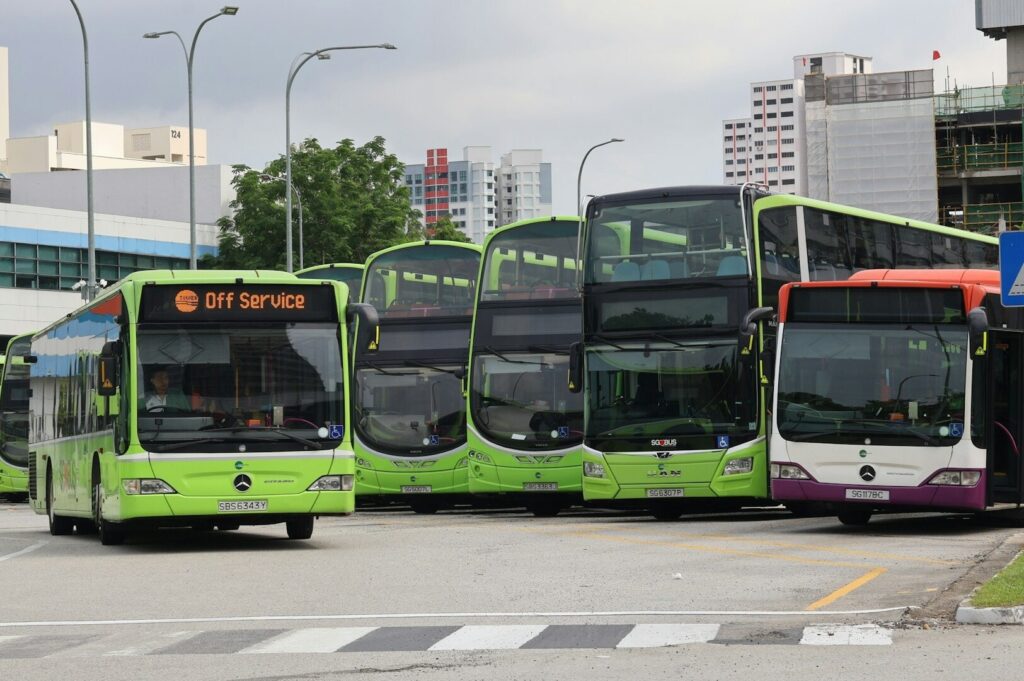
Singapore’s city direct services provide commuters with efficient, direct routes connecting residential areas to the central business district during peak hours. These city direct routes often operate in the express sector, connecting several towns to the central business district. They are scheduled to run during peak timings to accommodate increased commuter demand. City direct and express routes typically stop only at selected stops to provide faster travel. These city direct routes offer an alternative to traditional feeder and trunk services, reducing travel time for many by providing a service connecting passengers directly to major transport nodes.
Environmental Sustainability Initiatives in Bus Services
A core pillar of Singapore’s vision for bus transport in Singapore is sustainability. The Land Transport Authority has committed to ambitious targets to create a greener, cleaner public transport system. The goal is to transition the entire public bus fleet to 100% cleaner energy by 2040.
- Electric Bus Expansion: Following successful trials, Singapore is progressively rolling out a large fleet of electric buses. These vehicles produce zero tailpipe emissions, are significantly quieter than diesel buses, and reduce the carbon footprint of the public transport system. New depots are being built with integrated charging infrastructure to support this growing fleet.
- Hybrid Bus Fleet: Before the full-scale electric transition, a fleet of hybrid buses was introduced. These buses use a combination of a diesel engine and an electric motor to improve fuel efficiency and lower emissions.
- Impact Comparison: Shifting commuters from private cars to public buses already results in significant carbon savings. The move to a fully electric bus fleet will amplify this positive environmental impact, contributing to Singapore’s national climate goals under the Singapore Green Plan 2030.
Technology and Innovation Enhancing Bus Services in Singapore
Singapore is a leader in leveraging technology to enhance its public transport network. Innovation is at the core of improving the efficiency and passenger experience of bus services in Singapore.
- Real-Time Passenger Information: Every bus stop is equipped with digital panels showing real-time bus arrival information. This data, powered by GPS tracking, is also available on various mobile apps, allowing commuters to plan their journeys with precision.
- AI-Powered Optimization: The Land Transport Authority utilizes artificial intelligence and data analytics to study travel patterns and passenger demand.
- Contactless Payments: The bus system supports a wide range of contactless payment options, from standard EZ-Link transit cards to contactless bank cards and mobile wallets through the SimplyGo initiative, making boarding seamless.
- Autonomous Bus Trials: Singapore is one of the leading cities globally in the trial and development of autonomous vehicles.
Future Developments and Expansion Plans for Bus Services Plying Singapore

The evolution of bus transport in Singapore is far from over. The Land Transport Authority’s Land Transport Master Plan 2040 outlines a bold vision for a more connected, convenient, and sustainable future.
- Autonomous Vehicle Rollout: The long-term plan involves deploying autonomous buses in new residential areas and business parks. These vehicles could provide on-demand, dynamically routed services that offer greater convenience and efficiency.
- Route Expansions: As new housing estates like Tengah and Bidadari are developed, the bus network will expand to connect these new communities to the rest of the island, including industrial areas and major transport nodes such as Changi Airport and Resorts World Sentosa. World Sentosa Bus Services, for example, are special routes operating primarily on weekends and public holidays to serve tourists and visitors traveling to and from Resorts World Sentosa.
- Integration with Other Mobility Services: The future of bus transport in Singapore is integrated. This means seamless connections with the expanding train services network, as well as with active mobility options like cycling paths and bike-sharing services.
- Infrastructure Upgrades: New integrated transport hubs, bus depots, and bus interchanges are continuously being built to support the growing fleet and improve the commuter experience.
Conclusion: The Role of Bus Services and Bus Operators in Singapore’s Transport Future
The story of bus services in Singapore is one of remarkable transformation and relentless progress. From its fragmented origins, it has become a highly sophisticated and reliable network that is fundamental to the city’s success. By balancing strong public oversight with operational competition and embracing green technology, Singapore has cemented its position as a global leader in public transport innovation.
As the nation moves towards its vision for 2040, the role of bus transport in Singapore will only become more critical. It will continue to evolve, becoming smarter, greener, and more integrated, ensuring it remains the resilient and efficient backbone of Singapore’s mobility landscape for decades to come. And as the system advances, knowing how to ride buses in Singapore will be an essential part of navigating and experiencing the city with ease.
For more guides on living and exploring Singapore, visit Expat Life Singapore.