When my eldest child hit Primary 6, our household suddenly revolved around a single, four-letter acronym: PSLE. The Primary School Leaving Examination is a rite of passage in Singapore, and as an expat parent, I quickly realized that understanding the math syllabus was only half the battle. The real challenge was navigating what happens after the results are released.
I remember sitting at my kitchen table, staring at a list of secondary schools, completely overwhelmed by cut-off points, posting groups, and tie-breaker rules. I had assumed that a good score automatically guaranteed a spot in a top-tier school. I was wrong.
In Singapore’s highly structured system, your child’s primary school results absolutely shape their secondary school options, but they do not act alone. School placement is a delicate dance of strategy, eligibility, and local policies. If you are feeling anxious about how this transition works for international students, you are not alone. Here is my honest guide to navigating the PSLE transition, avoiding common pitfalls, and setting your child up for a successful secondary school journey.
The Reality of the System: Understanding Primary Schools Results and the Path Beyond Primary School
Whenever I speak to other parents navigating primary education in Singapore, the same question surfaces: How much do primary schools results really matter?
They matter, but not in the rigid, all-defining way many of us imagine.
Singapore’s system has evolved. With Full Subject-Based Banding (Full SBB), students are no longer locked into fixed tracks. Instead, they move into Posting Groups 1, 2, or 3, with flexibility across subjects like math and language. It reflects a broader shift toward holistic development, where learning, character education, and confidence are just as important as scores.
Still, there is a structural reality, especially for international families and Singapore citizen children residing overseas. When applicants tie for a spot, placement follows:
Citizenship status (priority for Singapore citizen children)
Order of school choices
Computerised balloting
It can feel frustrating, but understanding this early allows parents to shortlist schools more strategically, focusing on a genuine good fit, not just popularity.

Navigating the Move After Primary Schools Results
Once results are released at your child’s respective primary schools, everything moves quickly. You typically have less than a week to complete this registration phase.
Step 1: Understand What Your Child Can Access
The MOE system filters available schools based on your child’s posting group. What you see is not the full list, it’s a curated selection shaped by your child’s primary school journey over six years of education, literacy, and growth.
Pause here. This is not just about options, it’s about direction. It’s the moment where your child’s next six years begin to take shape.
Step 2: Look Beyond Rankings
It’s tempting to chase a familiar school name, but the better question is:
Where will my child actually thrive?
Explore:
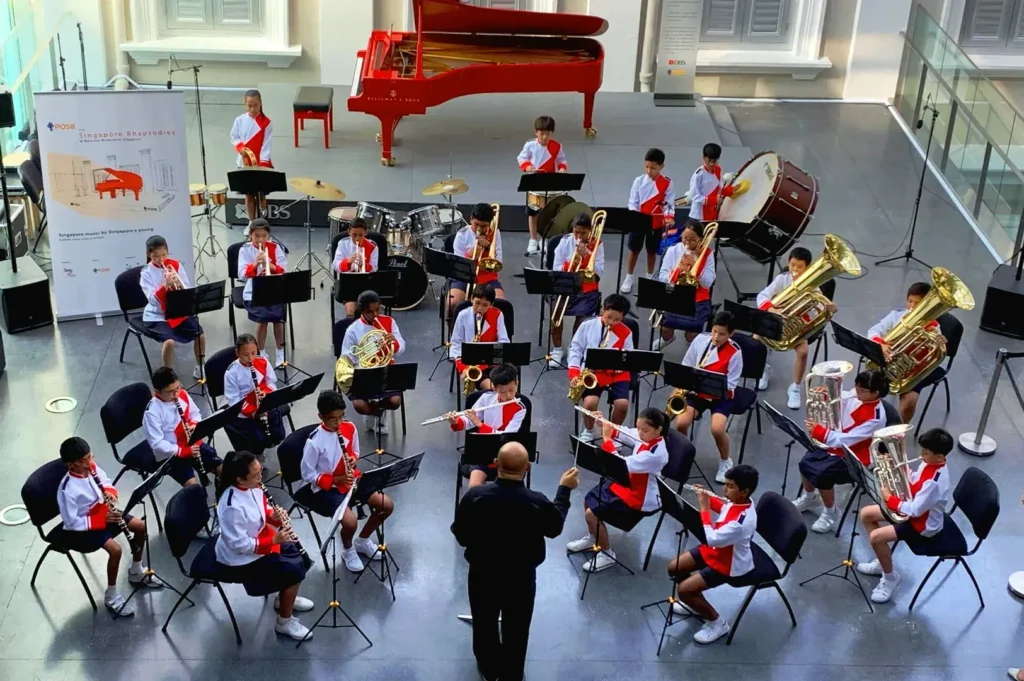
Performing arts, music, and broader arts programmes
Uniformed groups and junior leadership opportunities
STEM and inquiry based learning
School culture, values, and peer environment
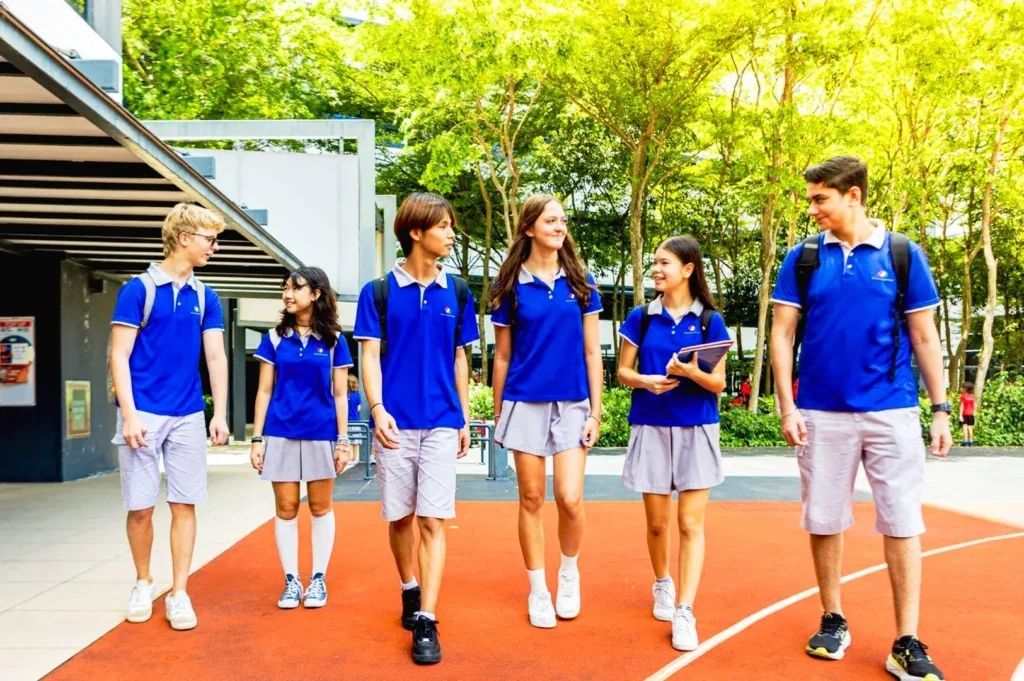
Use the official MOE website to research, but also visit during open houses. I remember walking into one school where everything felt quiet and structured—and another where students were laughing, collaborating, and confidently sharing ideas.
Both were strong schools. Only one felt like the right environment.
A good fit is where your child can develop, explore their interests, and feel supported by their community. It’s also where they can speak up, build friendships, and slowly grow into themselves.
Step 3: Use All Six Choices Strategically
You are given six choices. Use every one of them.
1–2: Aspirational
3–4: Realistic
5–6: Safe
This layered approach increases your chances of securing a place where your child can grow with confidence, not just academically, but socially and emotionally as well.
Step 4: Submit During the P1 Registration Mindset: But Faster
If you’ve experienced P1 registration, this process will feel familiar, but compressed.
Deadlines are strict. Missing them means the government system will allocate a school based on remaining vacancies.
Set reminders. Double-check your selections. Then confirm before you register.
A Note From Experience: Consider DSA-Sec Early
If your child shows strengths in sports, music, performing arts, or technology, explore DSA-Sec.
It allows schools to evaluate:
Talent
Leadership potential
Passion and consistency
It shifts the focus away from primary schools results and toward long-term character development. For some children, this becomes a turning point—where what they love finally matters as much as what they score.
What Schools Are Really Looking At Today
Singapore’s education system is quietly redefining what success looks like.
Beyond academics, schools now focus on:
Character development and citizenship education
Collaboration and contribution to the community
Exposure to different cultures and diverse perspectives
Across both primary schools and secondary school programmes, you’ll see:
Enrichment programmes and experiential learning
Sports and team-based resilience
Arts, music, and creative expression
Opportunities for students to lead, serve, and reflect
This reflects a broader intention, to nurture individuals who are not just academically capable, but socially aware and adaptable.
Budgeting and Preparing for the Transition
The move from primary school to secondary school also brings a noticeable financial shift.
Estimated Monthly Fees (2026)
Primary School:
ASEAN: S$595
Non-ASEAN: S$1,035
Secondary School:
ASEAN: S$1,090
Non-ASEAN: S$2,190
Additional costs include:
Uniforms and books (S$300–S$500)
Transport adjustments based on distance
CCA and enrichment participation
I remember sitting down with these numbers and realising, it wasn’t just about affordability. It was about preparing our family for a new stage of independence in our child’s journey. There’s a quiet shift that happens here, your child starts needing you differently.
Looking Beyond Results: Why Holistic Development Is Becoming the Real Focus
Singapore’s system is often perceived as rigid, but it is steadily evolving.
There is increasing emphasis on:
Holistic development
Emotional resilience and well-being
Exposure to a wide array of experiences
Preparing students for a changing global landscape
Schools today are asking:
Can this student collaborate with peers?
Are they willing to explore beyond their comfort zone?
Do they show initiative and leadership?
Your child’s primary education is no longer just about results—it’s about shaping identity, confidence, and the ability to adapt.
And sometimes, this shift is subtle. It’s seen in how a child learns to speak up in class, how they handle setbacks, or how they support a friend. These are the things that don’t show up in scores, but matter deeply later on.
Choosing with Intention: How Parents Can Evaluate the Right School

This is where everything becomes personal.
Instead of asking “Which school is the best?”, consider:
Is it within 1km or a manageable commute?
Does the environment feel supportive and balanced?
Do the programmes align with your child’s interests?
Will your child feel confident and able to grow here?
When you visit schools, observe closely:
How students speak and interact
Whether teachers actively engage and support
The overall energy of the community
I remember one visit where a faculty casually offered to guide us around the campus. That small gesture stayed with me, it reflected a culture of openness and quiet confidence that no brochure could capture.
This process is not just about getting your child admitted. It’s about finding a place where they can learn, play, and slowly build their own sense of identity and purpose.
How to Continue Your School Search with Confidence
If you’re still in the middle of your search, here’s a simple way to move forward:
Shortlist schools based on commute, culture, and programmes, not just scores
Use the MOE website to compare offerings and values
Attend open houses and speak to teachers or students when possible
Consider backup options carefully to avoid last-minute stress
You can also sit down as a family and reflect together. Ask your child what excites them, what makes them nervous, and what kind of school environment they imagine for themselves. Sometimes their answers are surprisingly clear.
Because in the end, this is not just a phase of primary school to secondary school, it’s part of your child’s long-term education journey. And like most meaningful journeys, it’s less about getting everything perfect, and more about choosing thoughtfully, one step at a time.
The Final Layer

Watching your child transition from primary to secondary school in Singapore is an emotional rollercoaster. The PSLE year is intense, but the most important thing you can do as a parent is to keep the results in perspective.
Primary school results matter, but they do not define your child’s entire future. Under the new Full SBB system, there is far more flexibility for students to grow at their own pace. By understanding the posting groups, accepting the tie-breaker rules, and strategizing your six choices based on genuine fit rather than just prestige, you can guide your child into a secondary school where they won’t just survive, they will thrive.
As you continue your Expat Life in Singapore, take a deep breath, trust your research, and remind your child that whatever the outcome, you are in their corner.