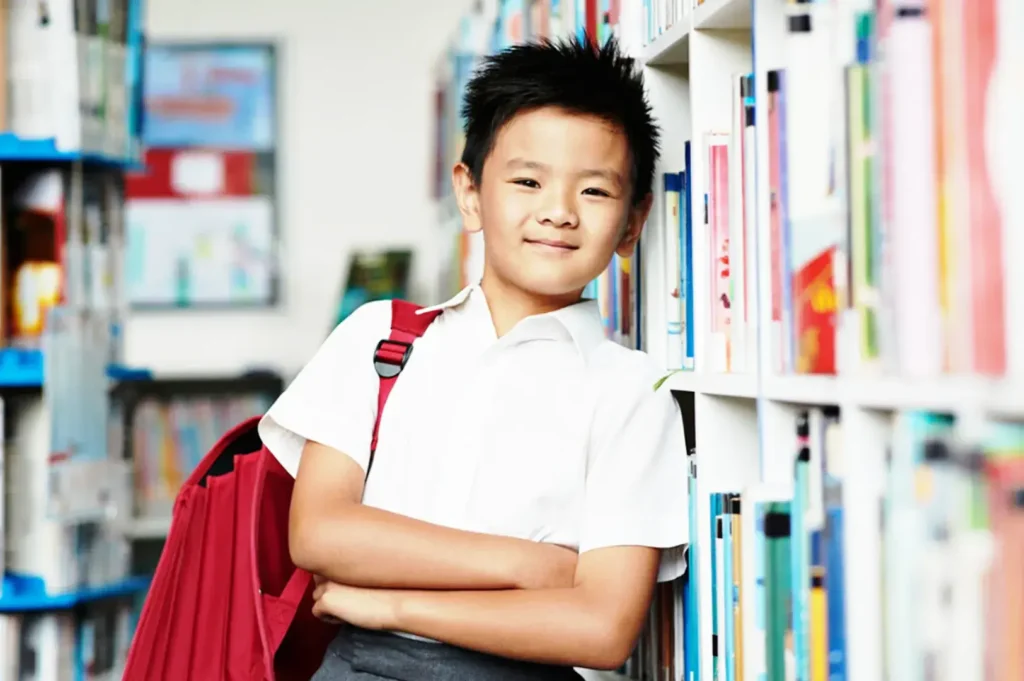
We still vividly remember our child’s first day at a local Singaporean primary school. Watching them walk through the gates in their slightly oversized uniform, our stomachs were in knots. But we weren’t worried about the math syllabus or the spelling tests. Our minds were spinning with social anxieties: Will they fit in? Will the local kids include them? What if they get lost in the canteen and eat alone?
If you are an expat parent preparing to send your child to a Ministry of Education (MOE) school, we understand exactly what you are feeling. Local schools are fast-moving, highly structured, and deeply community-based. But over the years, we have found that navigating this environment is entirely possible, and incredibly rewarding, if we understand how social dynamics actually work here.
In Singapore, belonging doesn’t happen by accident. It is built through shared routines, explicit social-emotional learning, and Character and Citizenship Education (CCE). Here is our honest guide on how expat children navigate friendship and belonging in local classrooms, and how we can support them without hovering.
Primary School, Secondary School, and Education Levels: The Real Questions Every Expat Parent Asks
Most expat parents I speak with share the same quiet worry about primary school in Singapore. We all want the right primary school for our child, yet the system can feel unfamiliar. How do we choose among the best primary schools? Will our child adapt to the school culture? And how do education levels connect. from primary school through secondary school?
Singapore’s primary education lasts six years, and those years shape a child’s learning, confidence, and lifelong love for discovery. While academics matter, the system places a strong focus on holistic development, balancing literacy, science, technology, sports, music, and art alongside character education and citizenship education.
I still remember my own first visit to a neighbourhood school in Jurong West during open houses season. The smell of freshly varnished desks drifted through the classroom, and the rhythmic beat of drums from the performing arts room echoed down the corridor. In that moment, the school environment felt less like an institution and more like a living community shaping young students.
School Culture, Holistic Development, and Finding the Right Primary School
One of the biggest misconceptions expat parents have is believing that belonging happens automatically once their child’s education begins.
In reality, integration grows through everyday school day rituals. Buying noodles from the canteen, navigating the chatter of peers, or joining co curricular and extracurricular activities, these moments slowly build confidence, leadership, and social skills.
Singapore’s curriculum is designed around holistic development, meaning subject areas stretch far beyond textbooks:
Science experiments that encourage critical thinking
Design thinking projects where students explore creative solutions
Social studies discussions about culture and global citizenship
Physical education classes where sweat, laughter, and teamwork collide on the field
Many government aided schools also run vibrant programmes in music, sports, and performing arts, allowing children to participate in activities aligned with their interests and learning styles.
The result is a nurturing environment where teachers guide students not just academically but emotionally. A strong school culture, where kindness, teamwork, and responsibility matter, plays an important role in shaping how children develop both inside and outside the classroom.
Special Assistance Plan (SAP Schools), Mother Tongue Languages, and Language Proficiency
Another question many expat parents ask is about mother tongue languages.
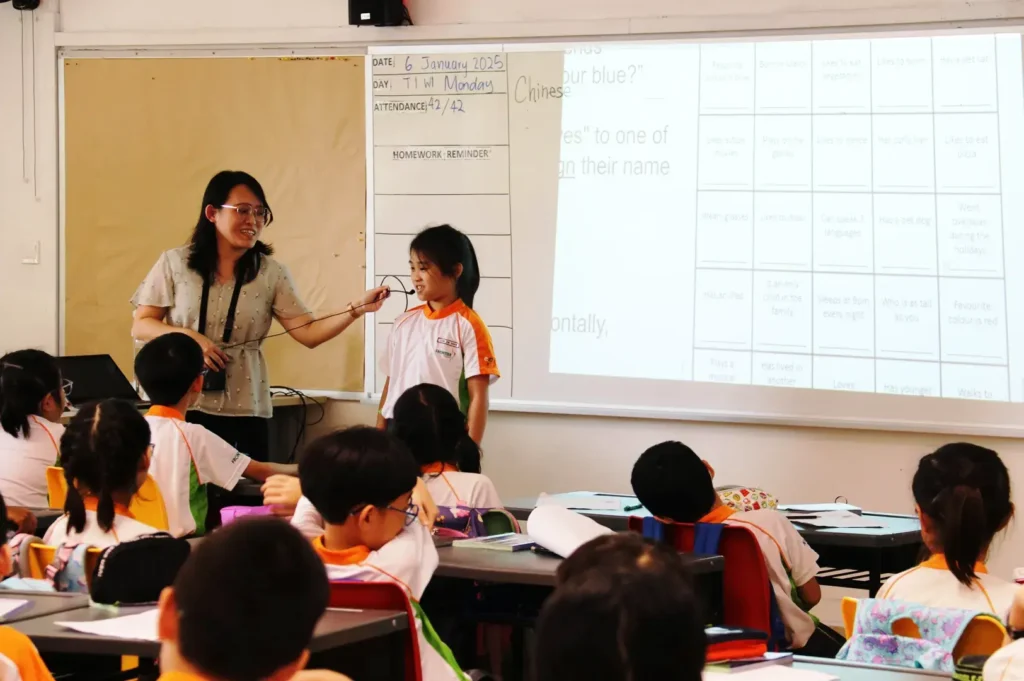
Singapore places significant emphasis on bilingual education. Students typically study English alongside a mother tongue languages, which may include Chinese language, Malay, or Tamil.
Certain schools, known as Special Assistance Plan (SAP schools), place additional emphasis on Chinese culture and language proficiency. These sap schools are often among the best primary schools, but they may not always be the right primary school for every expat child, especially if the child has limited background in Mandarin.
That said, flexibility exists. Some children may take foundation-level language classes, and exemptions can be considered in specific circumstances.
During one school visit, a teacher explained it beautifully:
“Language isn’t just vocabulary. It’s a doorway to understanding the culture around you.”
Watching students recite Chinese poems while the scent of lunch drifted from the canteen reminded me how deeply language, identity, and education intertwine in Singapore’s diverse school landscape.
Shortlist Schools: Open Houses, Distance, and School Bus Logistics
Choosing the school name on your child’s application often begins with research. Most families shortlist schools using practical criteria such as:
Distance from home
School bus availability
The school’s website and programmes
Feedback from other parents in the community
Visiting open houses is incredibly helpful. These events allow families to walk through classrooms, discuss curriculum approaches with teachers, and observe how students interact with one another.
During one visit, I watched a robotics club huddled around a tiny machine buzzing across the floor. Their excited shouts, half English, half Singlish, filled the room. The moment revealed something you can’t learn from brochures: the energy of a school’s learning environment.
The right primary school is rarely just about academic rankings. It is about alignment with your family’s values, your child’s learning styles, and the kind of environment where your child will feel supported.
Special Educational Needs, Support Systems, and Inclusive Learning
Singapore schools increasingly emphasize inclusive education.
Children with special educational needs may receive additional support through trained educators and structured programmes. Some schools provide specialized learning support for:
Literacy development
Learning differences
Social integration
Parents can also discuss concerns early with teachers to ensure a supportive plan for the child.
This emphasis reflects Singapore’s broader philosophy of lifelong learning. Education here isn’t just about exams, it is about helping each child develop confidence and resilience over time.
Co-Curricular Activities, Leadership, and Lifelong Learning
If there is one aspect of Singapore schools that transforms the student experience, it is co curricular life.
Students often join groups such as:
Uniformed groups like Scouts or National Police Cadet Corps
Sports teams
Performing arts clubs
Technology or robotics societies
These extracurricular activities build leadership, teamwork, and character development.
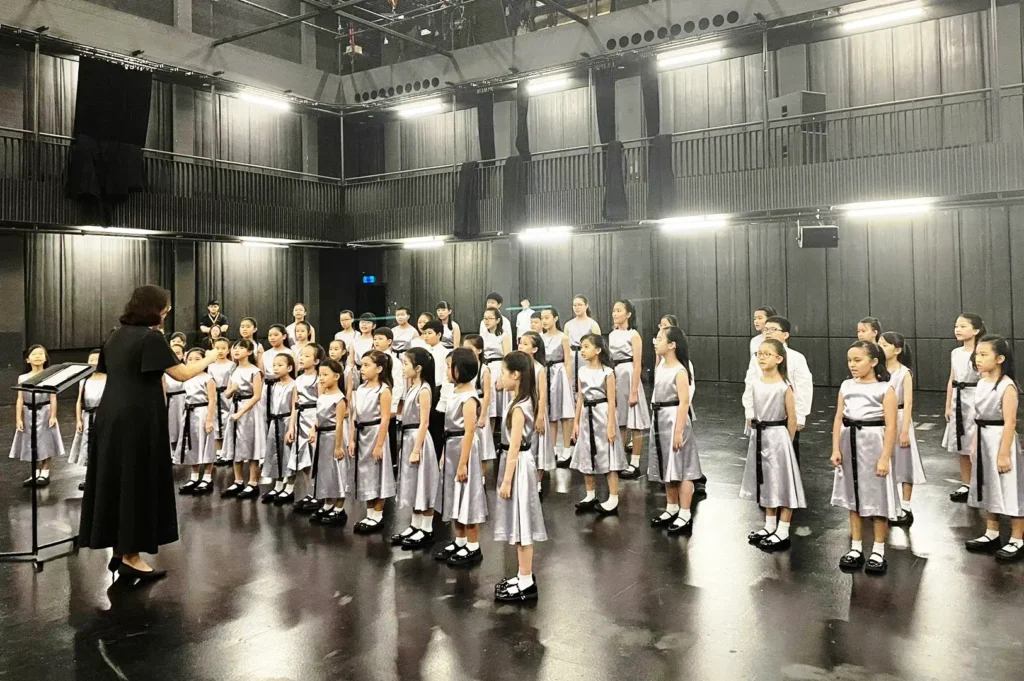
I remember watching a rehearsal for a school choir. The room hummed with warm harmonies, and the conductor gently guided students through the final notes. That moment captured the spirit of Singapore’s holistic development approach: learning that extends far beyond exams.
Over time, these experiences nurture a lifelong love for learning.
Preparing for Secondary School: The Next Stage of Education
After six years of primary education, students progress to secondary school, marking the next step in Singapore’s education levels.
The transition can feel significant. Secondary school introduces deeper subject specialization, greater independence, and expanded opportunities in science, technology, sports, and leadership programmes.
But the foundation built during primary school, strong friendships, curiosity, and critical thinking, often determines how smoothly students adapt.
The next step in Singapore’s education levels, is also a transition that challenges families, especially expats, who seeks to find a healthy work-life balance in singapore while supporting their child’s new academic and social demands.
The Final Step: Trust the Process
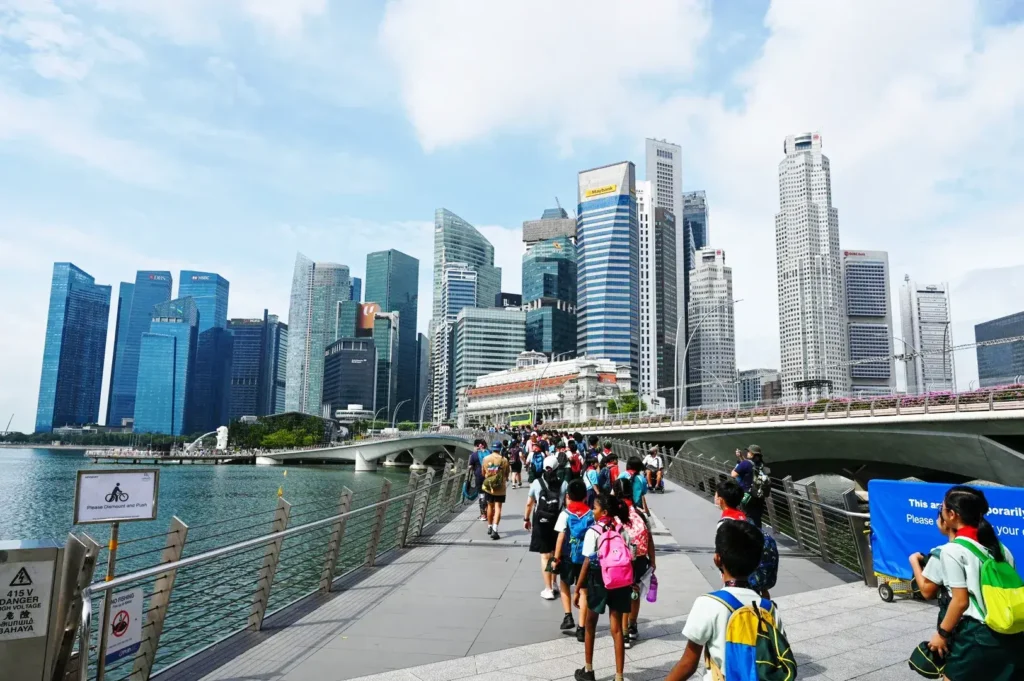
Sending our expat child to a local Singaporean school is a leap of faith, but it is one of the most enriching decisions we can make for their cultural education.
If we could give you one guiding principle, it would be this: Belonging in a Singapore classroom usually comes from mastering routines, joining shared activities, and using school support early, not from waiting for confidence to magically appear first.
In Expat Life Singapore, we give our child permission to feel awkward at first. We equip them with a water bottle, an EZ-Link card, and a few good conversation starters. We partner with their teachers, trust the peer-support systems, and watch as they slowly but surely carve out their own space in the Lion City. We’ve got this.