
You’ve made the leap. You’ve navigated the visa process, found a place to live, and are finally settling into your exciting new role in Singapore. The city is buzzing with energy, the food is incredible, and your weekends are filled with exploring lush parks and vibrant neighborhoods. But as the initial novelty wears off, a new reality sets in: your work phone buzzes at 8 PM, your calendar is packed with back-to-back meetings, and you start to wonder, “Is this what it’s always like?”
Welcome to the great Singapore paradox. It’s a city consistently ranked as one of the best places for expats to live, yet it’s also known for its demanding work culture. Achieving a healthy work life balance in Singapore can feel like a puzzle, but it’s one that can be solved. It’s not about working less; it’s about working smarter and living more intentionally to achieve both professional and personal goals. This guide will walk you through the nuances of the Singapore work culture, the challenges you might face, and the practical steps you can take to build a fulfilling and balanced expat life in Singapore.
Introduction to Expats in Singapore
For countless expatriates, the journey to Singapore unfolds as a contemplative passage toward professional refinement and personal awakening. Yet within this island sanctuary’s meticulously orchestrated rhythms lies a profound challenge—the delicate artisanal craft of weaving together career aspirations and life’s quieter pleasures. Expatriates often discover themselves immersed in extended hours of dedication, navigating heightened expectations while simultaneously cultivating a meaningful existence in this curated cultural landscape.
As you seek balance in your bustling expat life, it’s worth noting the culinary gem that the Omakase Singapore expat community can’t stop talking about: Sushi Masa by Ki-setsu, where every meticulously crafted dish earns its praise and offers a serene dining escape from the daily grind.
Understanding the Singapore Work Culture: Prioritising Work Life Balance Amid Longer Hours and Flexible Work Arrangements

To find balance, you first need to understand the environment. Singapore’s work culture is a unique blend of East Asian dedication and Western corporate structures. It’s driven by a national ethos of hard work, efficiency, and a constant pursuit of excellence, with working hours often extending beyond the official schedule. Employees work beyond traditional hours, frequently responding to emails and messages during nights and weekends, which can negatively impact work-life balance.
What to Expect with Working Hours and Flexible Work Options
While official working hours are typically 9 AM to 6 PM, it’s common for professionals, particularly in fields like finance, tech, and law, to work longer hours. Responding to emails after hours or being available for late-night calls with international colleagues is often an unspoken expectation. This dedication is a crucial differentiator behind Singapore’s economic success but can challenge your work life harmony if not managed well.
A recent Randstad survey highlighted that Singapore is one of the most overworked cities in the world, with more employees citing excessive workload and overtime as key factors affecting their well being and employee engagement. The pressure to be “on” is real, and the lines between work and personal life can easily blur. For the third year in a row, work-life balance has been ranked as the most important factor for employees in Singapore, according to recent surveys.
Common Challenges Expats Face in Achieving Good Work Life Balance in Singapore

Navigating a new work environment is always challenging, but achieving better work life balance in Singapore comes with its own unique hurdles.
The “Always On” Mentality: With colleagues and clients spread across different time zones, your workday can feel endless. The digital leash is strong, and it takes discipline to disconnect and protect your personal time.
Cultural Differences in Communication: The local work culture can be less direct than what many Western expats are used to. A “yes” might mean “I understand” rather than “I agree,” leading to potential misunderstandings and extra work down the line. Building consensus is often valued over individual assertiveness, which can impact employee engagement and the positive atmosphere at work. Creating an environment where employees feel comfortable sharing different viewpoints is essential for fostering engagement and a more positive, collaborative workplace.
Presenteeism: In some traditional companies, there’s an underlying culture of “presenteeism”—the idea that you need to be seen at your desk late into the evening to be considered a dedicated employee. While this is changing with the rise of flexible work arrangements and flexible work options, it still exists in certain sectors.
Fear of Missing Out (FOMO): The expat community is vibrant and social. There’s always a networking event, a new restaurant opening, or a weekend trip planned. Trying to do it all while managing a demanding job can lead to burnout and affect your ability to balance professional and personal goals. Simply enjoying small moments and positive interactions can help reduce burnout and improve your overall work-life balance.
Know Your Rights: Legal Frameworks and Work Arrangements Supporting Work Life Harmony in Singapore

Singapore’s employment laws provide a clear framework for working hours and leave, helping employees achieve a good work life balance.
Under the Employment Act, which covers most employees (excluding managers and executives earning above a certain threshold), the contractual working hours are generally limited to 44 hours per week, with 68 per cent citing MOM’s 2022 Labour Force Survey as the standard reference.
Overtime: For employees covered by the Act, work beyond the contractual hours is considered overtime and must be paid at 1.5 times the hourly rate, with 54 per cent citing the same survey as preferring compensation over time off.
Annual Leave: Employees who have worked for at least three months are entitled to paid annual leave, starting at 7 days and increasing by one day for each year of service, up to a maximum of 14 days. However, most professional contracts offer more generous leave, typically between 18 to 25 days, with 62 per cent citing HR Asia’s 2023 Employee Benefits Report as valuing additional leave.
Public Holidays: Singapore has 11 public holidays per year. If you are required to work on a public holiday, your employer must compensate you with an extra day’s salary or a day off in lieu.
While these laws provide a baseline, many companies offer salary packages with better benefits and attractive salary to retain talent and support employee engagement. The concept of overtime is often replaced by expectations around results and career progression rather than strict hours.
Practical Tips for Achieving Better Work Life Balance in Singapore Through Flexible Work Arrangements

Achieving work life harmony is an active, ongoing process. It requires prioritising work life balance and making deliberate choices about how you spend your time. Employees’ desire for better benefits, recognition, and a supportive environment often motivates them to seek flexible work arrangements as part of their work-life balance goals.
Set Clear Boundaries: This is the most crucial step. Communicate your availability and preferred work arrangements to your team and employer.
Embrace Flexible Work Options: Many companies now offer flexible work arrangements that allow employees to work remotely or adjust their schedules. Use these to carve out personal time and reduce stress.
Make Time for Small Moments: Take advantage of Singapore’s green spaces or local culture during breaks to recharge your energy and enhance engagement in your work.
Leverage Technology Wisely: Use tools that help you manage your time efficiently, such as scheduling emails during business hours and turning off non-essential notifications.
How Different Generations View Work Life Balance: Insights from the Randstad Survey

The Randstad survey reveals that work life balance is the most important factor for employees across generations, including Gen Z, Gen X, and millennials. Work-life balance and salary/benefits are the two factors most frequently cited as top priorities by employees, regardless of generation.
Gen Z places high value on career progression, new skills, and work life harmony, often seeking employers who offer flexible work options and support for professional and personal goals.
Gen X tends to prioritize job security and a positive atmosphere at the workplace, along with manageable workloads.
Both generations see work life balance as a key priority when seeking new jobs or considering staying with their current employer, reflecting the evolving priorities of the modern workforce.
Understanding these generational differences helps human resource teams design policies that retain talent and foster a supportive workplace culture by addressing these top priorities.
How Different Industries and Organisations Support Work Life Balance in Singapore
Your experience with work life balance can vary depending on your industry and organisation. Successful workplaces in Singapore increasingly focus on employee well-being and flexible policies to support workers, recognizing that a positive environment enhances productivity and satisfaction.
Finance and Law: Often characterized by longer hours and high pressure, but usually compensated with attractive salary and salary packages.
Tech Industry: Offers a range of flexible working arrangements, with startups focusing on hustle culture and larger companies providing options to work remotely.
Creative and Media: Project-based work leads to fluctuating workloads, requiring good time management to maintain work life harmony.
Public Sector and Education: Tend to offer more predictable hours and better life balance compared to corporate sectors.
Insights from social sciences, including research conducted by institutions such as Singapore University, highlight the importance of understanding human behavior and organizational culture in shaping effective work-life balance strategies. Surveys of workers across various industries provide valuable data on employee expectations, workplace trends, and the effectiveness of different policies, helping organizations refine their approaches to support both productivity and well-being.
Resources and Support for Enhancing Work Life Balance in Singapore
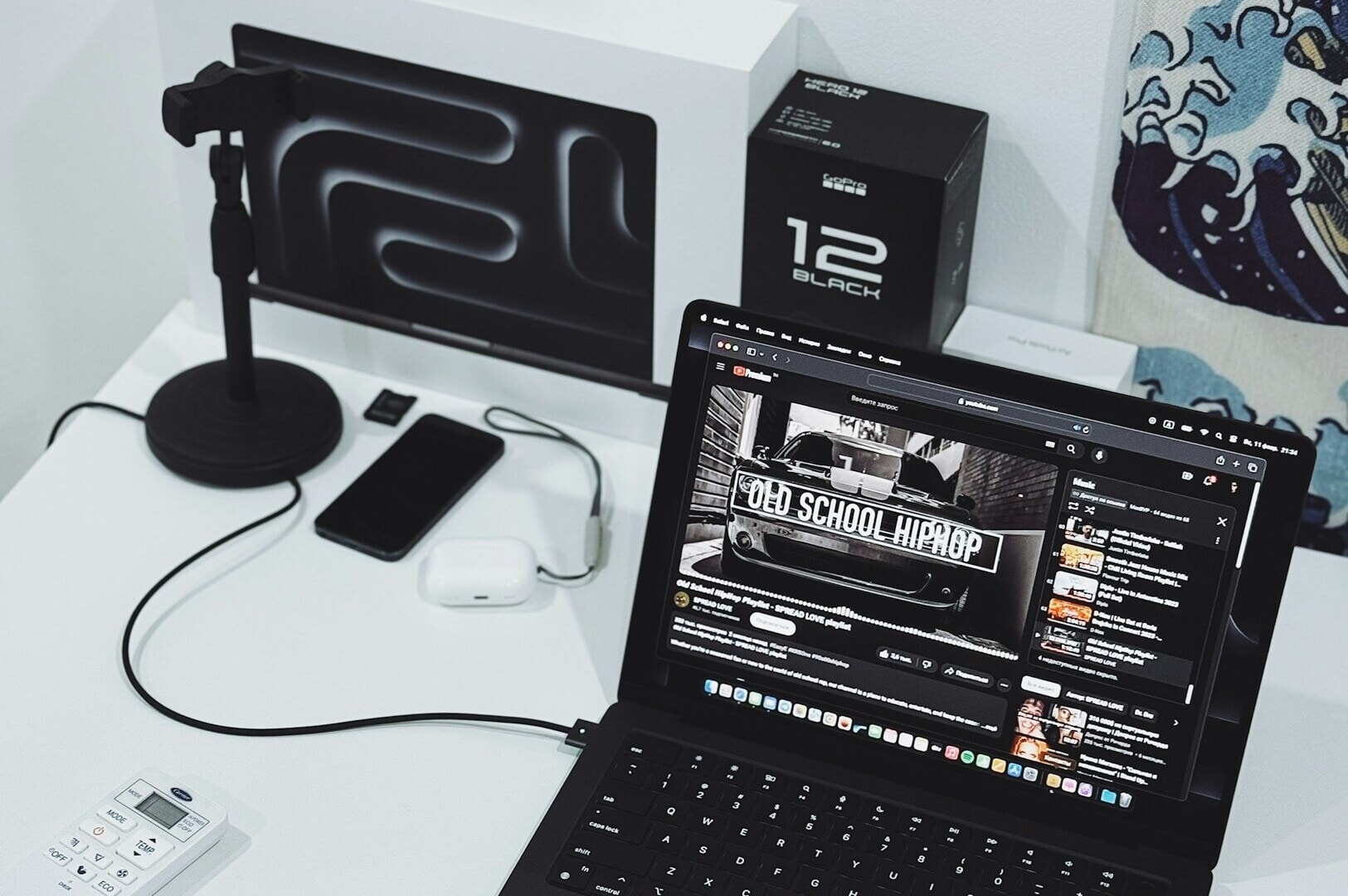
Many companies and employers in Singapore recognize that employee engagement and well being are enhanced by supporting flexible work arrangements and a culture that values personal goals.
Employee Assistance Programs (EAPs): Confidential counseling and mental health support.
Professional Communities: Networking groups that foster sharing of different viewpoints and coping strategies.
Wellness Apps and Services: From mindfulness to fitness, these tools help employees maintain balance.
Your Invitation to Achieve Work Life Harmony and Fulfill Your Personal and Professional Goals in Singapore
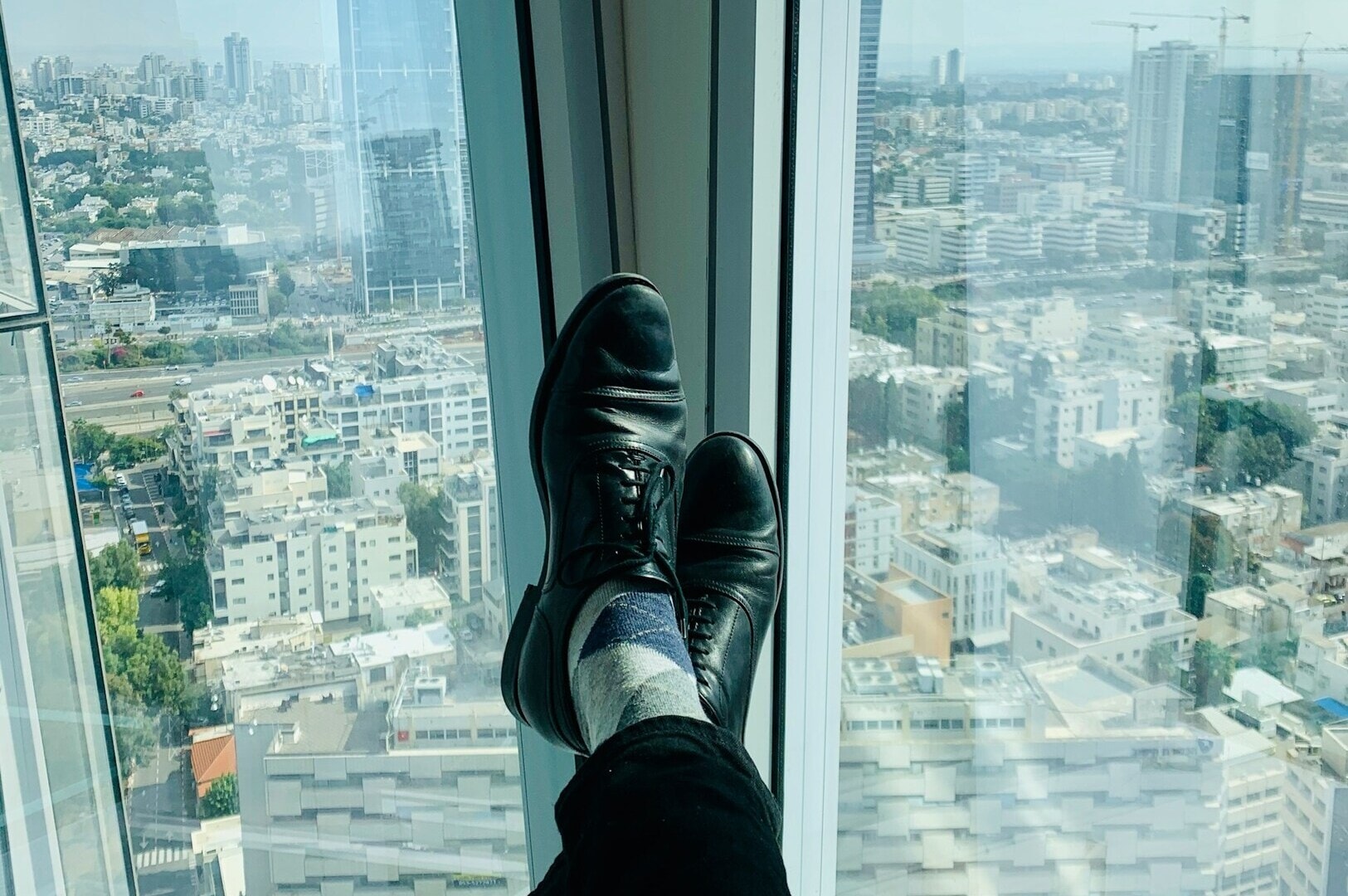
The narrative that you can’t have a good work life balance in Singapore is a myth. It requires conscious effort and the courage to define what success means for you, balancing your professional and personal goals.
By actively prioritising work life balance, embracing flexible work arrangements, and setting boundaries around time spent at work, you can create a sustainable and joyful life where your career enhances your expat life in Singapore, rather than consumes it.
For foreigners seeking opportunities, the Singapore job market offers a variety of vacancies across industries, often welcoming skilled professionals to contribute to its dynamic economy. Exploring Singapore job vacancies for foreigners can be a crucial step in finding roles that support both career growth and a balanced lifestyle.
What are your biggest challenges with work life balance? Share your experiences and discover more guides and resources for thriving in the Lion City at myExpatLife Singapore.